
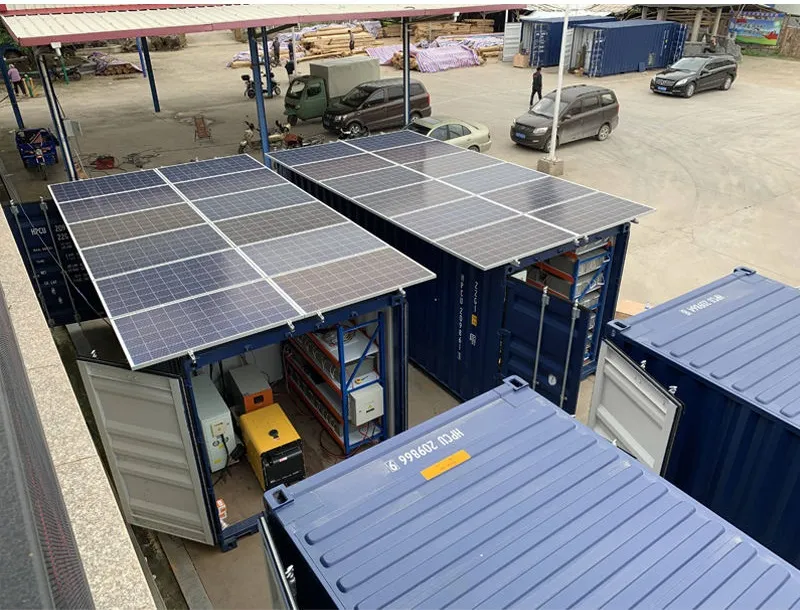
Saudi Arabia's skyline is changing—and not just with towering skyscrapers or sprawling residential complexes. Look closer, and you'll notice a quieter revolution: rooftops glinting with solar panels, commercial buildings wrapped in energy-efficient materials, and homes designed to harness the sun's power. As the kingdom charges toward its Vision 2030 goals, renewable energy has become more than a buzzword; it's a cornerstone of progress. At the heart of this transformation? Reliable partners who don't just sell products, but deliver solutions. Today, we're diving into what makes a top solar panel supplier stand out in Saudi Arabia—and why partnering with a one-stop architectural solution provider could be the game-changer your next project needs.
Let's start with the obvious: Saudi Arabia gets a lot of sun. With average annual sunshine exceeding 3,000 hours, it's no wonder solar energy has become the kingdom's renewable energy darling. Government initiatives like the National Renewable Energy Program (NREP) aim to generate 50% of the country's electricity from renewables by 2030, and solar is set to lead that charge. But here's the thing: installing solar panels isn't as simple as picking a product off a shelf. For homeowners, developers, and businesses, the process involves navigating permits, understanding local climate challenges (hello, extreme heat and sandstorms), and ensuring that every component—from the panels themselves to the wiring and mounting systems—works seamlessly together.
That's where the right supplier comes in. A top solar panel supplier in Saudi Arabia doesn't just drop off panels at your doorstep. They understand that solar is part of a larger ecosystem—one that includes the building materials that make up your home or commercial space. Think about it: if you're building a new villa, you need flooring, wall panels, and maybe even custom furniture. If you're constructing a hospital, fireproof materials and durable piping are non-negotiable. Why juggle multiple vendors when you could work with a partner who handles it all? That's the promise of a one-stop architectural solution provider: integrating solar with the rest of your building needs to save time, reduce stress, and ensure consistency across your project.
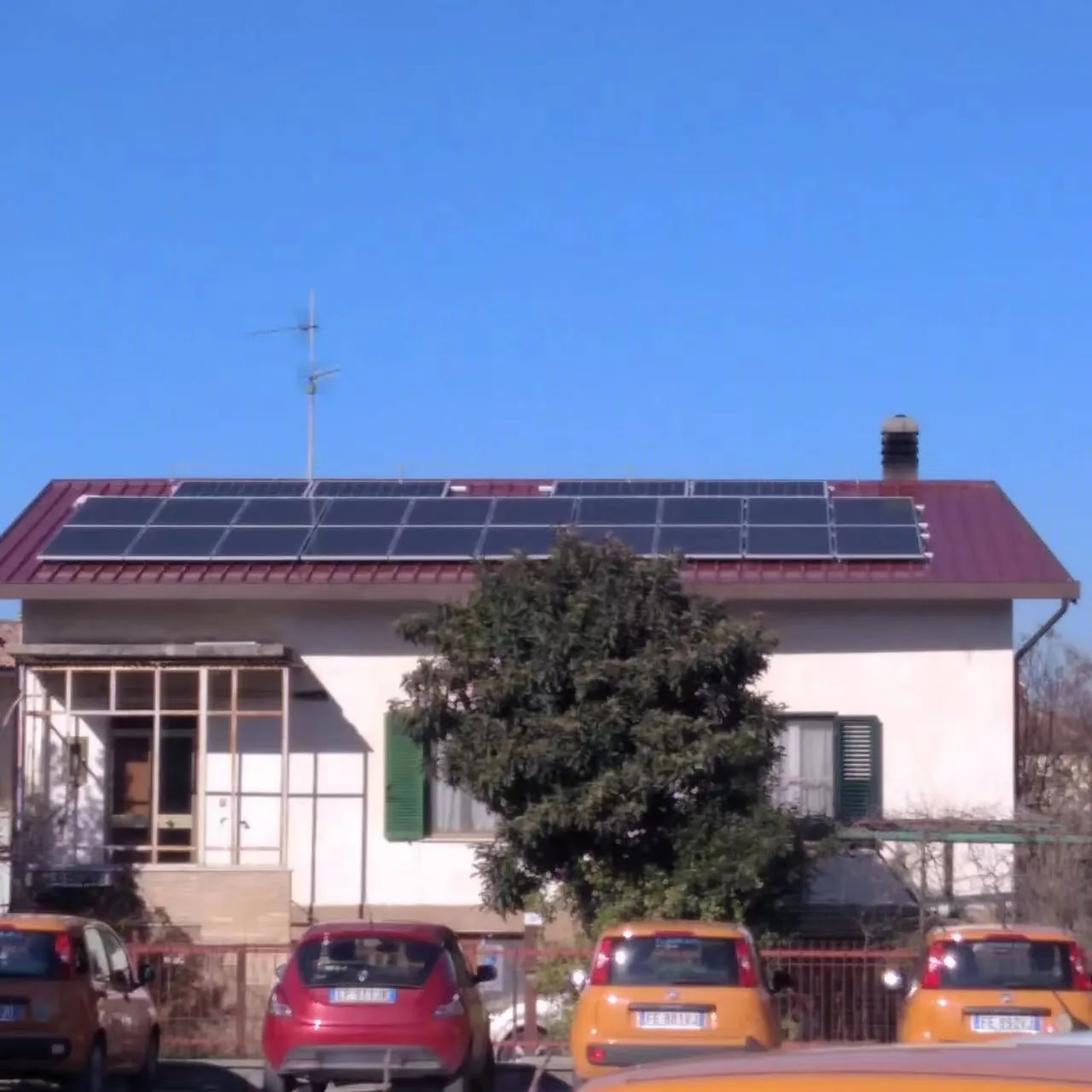
So, what should you look for when choosing a solar panel supplier in Saudi Arabia? Let's break it down. First, reliability. In a market flooded with options, you need a supplier with a track record—one that's been around long enough to understand Saudi's unique conditions. Extreme temperatures can warp low-quality panels, and sand can scratch surfaces if not properly protected. A reputable supplier will offer panels tested to withstand these challenges, with warranties that actually mean something (we're talking 25+ years for performance, not just a flimsy 1-year guarantee).
Second, expertise. Solar technology evolves fast. Monocrystalline, polycrystalline, thin-film—each has its pros and cons, and the "best" option depends on your project. A good supplier won't push the most expensive panels; they'll ask questions: Is this for a residential rooftop with limited space? A commercial warehouse with a flat roof? Do you need flexible panels for a curved structure? Their job is to guide you to the solution that fits your needs, not just their inventory.
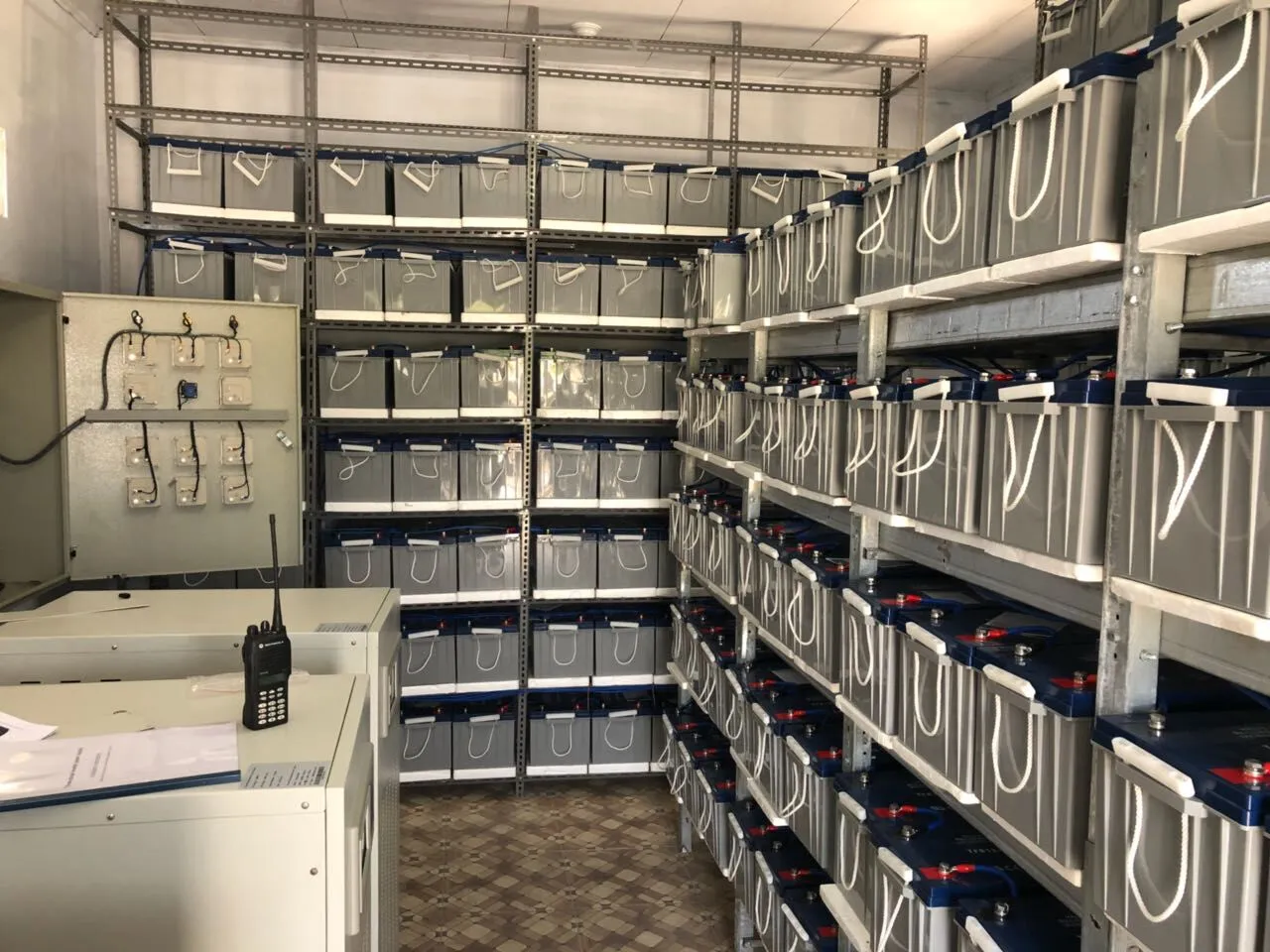
Third, after-sales support. Installing solar panels is a long-term investment. What happens if a panel malfunctions after a year? Will you be stuck on hold for hours, or will a technician be dispatched promptly? The top suppliers prioritize service, offering maintenance packages, monitoring tools, and local teams ready to address issues quickly. In Saudi Arabia, where downtime can be costly, this support isn't a luxury—it's essential.
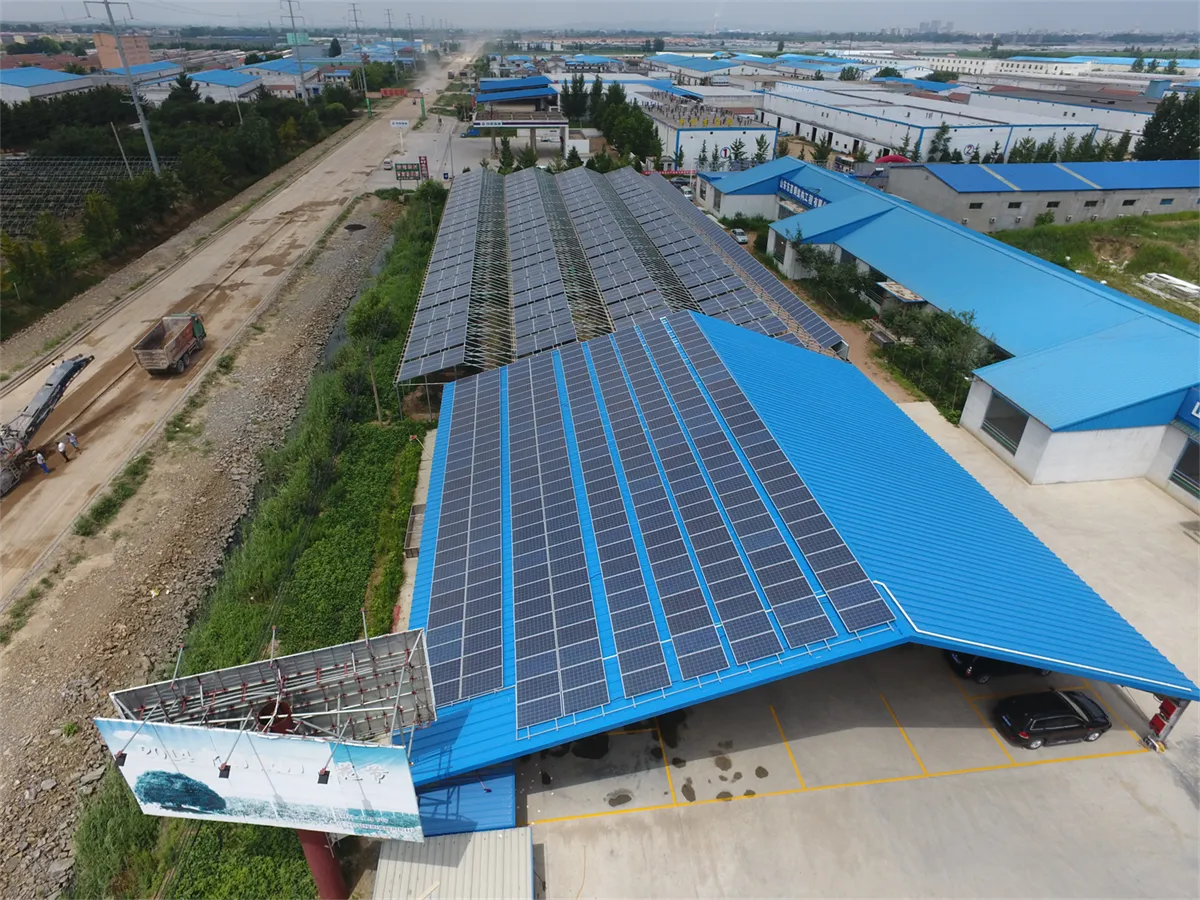
Now, let's talk about the "one-stop" difference. Imagine you're a developer building a residential complex in Riyadh. You need solar panels for each unit, but you also need flooring that can handle heavy foot traffic, wall panels that resist humidity, and pipes that won't corrode in the desert heat. Working with separate suppliers for each material is a logistical nightmare: coordinating deliveries, ensuring quality standards align, and managing multiple contracts. It's like trying to bake a cake with ingredients from five different stores—you're bound to miss something, and the result might not taste as good.
A one-stop architectural solution provider eliminates that hassle. By partnering with a supplier who offers both solar panels and a full range of building materials—from wall solutions to pipes and fittings—you streamline your project from start to finish. Need to adjust the solar system because the wall panels are thicker than expected? No problem—your single point of contact can the change. Want to ensure your solar panels and flooring both meet sustainability certifications? They've got you covered. It's not just about convenience; it's about creating a cohesive, efficient project that meets all your goals—on time and on budget.
Let's zoom in on residential projects. For homeowners, solar panels are often about two things: reducing electricity bills and increasing property value. But today's homeowners want more than just function—they want beauty, too. A top residential building materials supplier understands this, offering solar panels that blend with a home's design, whether it's a modern villa with a sleek rooftop or a traditional house with curved edges.
Take, for example, a family in Jeddah building their dream home. They opt for bamboo charcoal board wall panels for their living room (eco-friendly, moisture-resistant, and stylish) and porcelain slab tiles for the kitchen walls (easy to clean and durable). When it comes to solar, they choose high-efficiency monocrystalline panels that sit flush with their roof, complementing the home's architecture rather than sticking out. Because their supplier is a one-stop provider, the solar team works with the wall and flooring experts to ensure the panels are installed without damaging the new materials. The result? A home that's energy-efficient, beautiful, and built to last—all from a single partner.
Commercial projects—think hospitals, schools, office parks—have even more complex needs. A school, for instance, requires Class A fireproof materials to keep students safe, while a hospital needs non-porous surfaces that resist bacteria. Add solar panels to the mix, and you're looking at large-scale systems that need to integrate with the building's electrical grid, HVAC, and even security systems. This is where a commercial building materials supplier with solar expertise shines.
Consider a new hospital in Dammam. The project requires Class A fireproof CPL inorganic boards for walls (critical for patient safety), PVC DWV pipes for drainage (reliable and low-maintenance), and a solar system that can power the building's lighting and medical equipment. By working with a one-stop provider, the hospital's construction team avoids the headache of coordinating between a solar company, a wall panel supplier, and a pipe fittings vendor. Instead, they have a single team managing everything, ensuring that the solar panels are installed in a way that doesn't interfere with the fireproofing or piping, and that all materials meet the strict regulations for healthcare facilities. The result? A hospital that's not only safe and functional but also reduces its carbon footprint and energy costs—proving that commercial projects can be both impactful and sustainable.
To better understand how solar integrates with other building materials, let's look at a side-by-side comparison of residential and commercial solutions. The table below highlights how a one-stop supplier can tailor offerings to different project types:
| Solution Type | Solar Panel Focus | Key Building Materials | Why It Works |
|---|---|---|---|
| Residential (Villa/Home) | High-efficiency monocrystalline panels (250-400W), flexible mounting options for various roof types | Bamboo charcoal board wall panels, porcelain slab tiles, WPC flooring, UPVC pipes | Panels blend with home design; materials prioritize aesthetics, durability, and eco-friendliness |
| Commercial (School/Hospital) | Large-scale polycrystalline panels (400W+), integrated battery storage for backup power | Class A fireproof CPL inorganic boards, PVC DWV pipes, PPR pipes for plumbing, fire-resistant ceiling solutions | Panels support high energy demand; materials meet safety codes and heavy usage needs |
| Commercial (Office Complex) | Thin-film solar panels for curved/glass facades, smart monitoring systems | MCM flexible cladding stone wall panels, terrazzo tiles, aluminum composite panels | Panels enhance building's modern look; materials offer durability and low maintenance |
In Saudi Arabia, sustainability isn't just about reducing reliance on fossil fuels—it's about building for the future. A top solar panel supplier knows this, which is why they don't stop at eco-friendly panels. They offer building materials that align with global green standards, too. Bamboo charcoal board wall panels, for example, are made from renewable resources and help improve indoor air quality by absorbing moisture and odors. WPC wall panels, crafted from wood plastic composite, reduce deforestation while offering the look of real wood. Even pipes and fittings are chosen for their longevity, reducing the need for frequent replacements and cutting down on waste.
Take their PVC DWV pipes: designed to last 50+ years, they resist corrosion and require minimal maintenance, meaning fewer repairs and less material waste over time. When paired with solar panels that generate clean energy, these materials create a project that's sustainable from the ground up. For clients aiming to meet LEED or Estidama certifications, this integrated approach isn't just helpful—it's essential.
Let's bring this to life with a fictional (but realistic) case study. Meet Al-Mansoora Residences, a 50-villa complex in Riyadh. The developer wanted to market the project as "sustainable luxury," targeting young families and professionals. Their wish list included solar panels for each villa, energy-efficient appliances, and high-end finishes. Instead of hiring separate vendors for solar, flooring, walls, and pipes, they partnered with a one-stop architectural solution provider.
The result? Each villa was equipped with 5kW solar systems (enough to power most home appliances), paired with bamboo charcoal board wall panels in living areas and porcelain slab tiles in kitchens and bathrooms. The supplier coordinated the installation timeline, ensuring solar panels were installed after the roof was finished but before interior work began, avoiding delays. For the community's shared facilities—a clubhouse and pool—the supplier added solar-powered lighting and UPVC pipes for irrigation, further reducing the complex's carbon footprint.
Six months after completion, Al-Mansoora Residences sold out faster than expected. Homeowners reported electricity bills cut by 60-70%, and the developer praised the streamlined process: "Working with one supplier meant we had fewer meetings, fewer delays, and a single warranty covering everything from the solar panels to the wall panels. It made the project manageable, even with tight deadlines."
At the end of the day, choosing a solar panel supplier is about trust. You're trusting them with a significant investment—one that will impact your energy costs, your building's performance, and even its resale value for decades. When that supplier is also a one-stop architectural solution provider, that trust extends to every aspect of your project. You're not just getting solar panels; you're getting a partner who understands your vision, anticipates challenges, and delivers solutions that work together seamlessly.
In Saudi Arabia's fast-growing market, where innovation and sustainability are key, this integration isn't just a luxury—it's a competitive advantage. Whether you're building your first home, developing a commercial complex, or retrofitting an existing building with solar, the right partner can turn a stressful project into a smooth, successful experience. So, as you explore your options, ask yourself: Does this supplier see the big picture? Can they grow with me, from solar panels to the finishing touches? If the answer is yes, you've found your match.
As we look ahead, one thing is clear: solar energy in Saudi Arabia isn't slowing down. With new technologies emerging—like solar windows and building-integrated photovoltaics (BIPV)—the line between "solar panels" and "building materials" is blurring. The top suppliers of tomorrow won't just sell products; they'll sell experiences, designing buildings where energy generation is part of the architecture itself.
For now, though, the foundation is already here: reliable solar panels, high-quality building materials, and the expertise to bring them together. By partnering with a one-stop architectural solution provider, you're not just keeping up with the future—you're building it. And in a country as ambitious as Saudi Arabia, that's exactly where you want to be.
So, whether you're a homeowner, developer, or business owner, remember: the best solar projects aren't just about the panels. They're about the partnerships that make them possible. Choose wisely, and watch your vision—for your building, your budget, and your impact—come to life.
Recommend Products












