
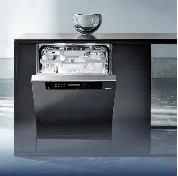
Walk into any commercial kitchen in Dubai's luxury hotels, a bustling restaurant in Riyadh, or a newly built residential complex in Jeddah, and you'll find a silent workhorse keeping things running smoothly: the dishwasher. But behind that stainless steel exterior lies a critical component that often gets overlooked until something goes wrong—the pipe fittings. A single leaky joint or a corroded connector can bring a busy kitchen to a halt, costing time, money, and even damaging reputations. In the Middle East, where temperatures soar, water quality varies, and construction projects move at breakneck speed, choosing the right dishwasher pipe fittings isn't just a matter of convenience—it's a make-or-break decision for project success. That's where understanding the market, the product, and the right supplier becomes essential. Let's dive into why top-rated dishwasher pipe fittings matter in the Middle East, what to look for when choosing them, and how a trusted partner can turn this often-overlooked detail into a competitive advantage.
To understand why dishwasher pipe fittings are making waves in the Middle East, you first need to grasp the region's construction boom. Driven by visionary projects like Saudi Arabia's "2030 Vision," which aims to diversify the economy and develop world-class infrastructure, the Middle East is witnessing a surge in both residential and commercial building. From mega-cities like Neom to luxury hotel expansions in Abu Dhabi, every project—big or small—needs high-quality building materials. And when it comes to kitchens, whether in a 500-room hotel or a family home, dishwashers are no longer a luxury; they're a necessity.
But here's the catch: the Middle East isn't just any market. The region's unique climate—scorching summers with temperatures often exceeding 45°C (113°F)—and varying water quality (some areas have high mineral content or salinity) put extra stress on pipe fittings. Add to that the fast-paced nature of construction projects, where delays can cost millions, and you've got a perfect storm that demands pipe fittings built to last. Commercial kitchens, in particular, run dishwashers for hours daily, using hot water and detergents that can corrode subpar materials. For contractors and project managers, cutting corners on pipe fittings isn't an option—it's a risk they can't afford.
This demand has led to a growing focus on specialized solutions. It's not just about "pipes" anymore; it's about fittings designed specifically for dishwashers, engineered to withstand high temperatures, resist corrosion, and fit seamlessly with different appliance models. And in a market where time is money, there's another layer: the need for a supplier who can deliver these specialized fittings quickly, without compromising on quality—preferably as part of a broader, one-stop solution that eliminates the hassle of coordinating with multiple vendors.
Not all pipe fittings are created equal, especially when it comes to dishwashers in the Middle East. So, what sets the best apart from the rest? Let's break down the must-have features that contractors, architects, and project managers should prioritize.
The first thing to check is the material. In the Middle East, where heat and water chemistry are tough on pipes, materials like CPVC (Chlorinated Polyvinyl Chloride) and PPR (Polypropylene Random Copolymer) have emerged as fan favorites. Why? CPVC handles high temperatures—up to 93°C (200°F)—which is crucial for dishwasher hot water lines. It's also resistant to the harsh detergents and chemicals used in commercial dishwashers. PPR, on the other hand, is known for its flexibility and durability, making it ideal for installations where pipes need to bend or fit into tight spaces. Both materials are lightweight, easy to install, and less prone to corrosion than traditional metal fittings, which can rust over time in salty or mineral-rich water.
Ever tried to connect a fitting from one brand to a pipe from another? Spoiler: it rarely works. In the chaos of a construction site, the last thing you need is a fitting that doesn't screw on properly or creates a leak because the threads don't match. Top-rated dishwasher pipe fittings are designed with universal compatibility in mind, fitting most major dishwasher brands and pipe sizes. Look for fittings with precise threading, smooth inner walls (to prevent clogs), and rubber gaskets that create a tight seal—even under pressure. Some suppliers even offer custom sizing options for unique installations, which is a game-changer for bespoke kitchen designs.
In the Middle East, building codes are strict—and for good reason. You wouldn't want a pipe fitting that fails a safety inspection, delaying your project. Reputable suppliers ensure their dishwasher pipe fittings meet regional standards, such as SASO (Saudi Arabian Standards Organization) certifications in Saudi Arabia or ESMA (Emirates Authority for Standardization and Metrology) in the UAE. These certifications guarantee that the products have been tested for durability, temperature resistance, and safety, giving you peace of mind that they'll stand up to the region's unique conditions.
Sustainability isn't just a buzzword in the Middle East anymore—it's a requirement. With governments pushing for "green building" initiatives (think Saudi Arabia's focus on sustainable development under its 2030 Vision), even pipe fittings are getting the eco-friendly treatment. Top suppliers now offer fittings made from recycled materials or designed for energy efficiency, such as low-friction inner surfaces that reduce water flow resistance (saving on energy costs for water pumps). Some even provide fittings that are 100% recyclable at the end of their lifespan, helping projects meet LEED or other green building certifications.
Choosing the right dishwasher pipe fittings is only half the battle. The other half? Choosing the right supplier. In a market as dynamic as the Middle East, working with a supplier who understands local nuances can make all the difference. Let's take a closer look at what sets a standout supplier apart—using the example of a company that's been (shēn gēng, or "deeply cultivating") the Middle East market for decades: a one-stop architectural solution provider with roots in the region.
It's one thing to sell products into the Middle East from afar; it's another to have boots on the ground. A supplier with a physical presence—like an agency in Saudi Arabia—brings two huge benefits: faster delivery and on-the-ground support. When a construction site in Dammam needs urgent replacement fittings, waiting weeks for a shipment from Europe or Asia isn't an option. Local warehouses mean stock is readily available, cutting lead times from months to days. Plus, local teams speak the language (both literally and figuratively). They understand local building codes, can troubleshoot installation issues in real time, and even anticipate challenges—like seasonal demand spikes during the cooler construction months.
Imagine this: You're managing a hotel renovation, and you need dishwasher pipe fittings, kitchen cabinets, flooring, and even lighting. Coordinating with four different suppliers means four sets of invoices, four delivery schedules, and four points of contact if something goes wrong. Now, imagine getting all of that from a single supplier. That's the power of a one-stop solution provider. For dishwasher pipe fittings, this means you're not just buying a product—you're buying into a network that can supply everything from the pipes that connect to the dishwasher to the custom kitchen appliances it works alongside. It streamlines communication, reduces logistical headaches, and often leads to cost savings (bulk ordering across categories). In the Middle East, where construction timelines are tight, this kind of efficiency is invaluable.
The Middle East isn't a monolith. What works in Dubai might not work in Riyadh, and what's needed for a residential project differs from a commercial one. A supplier with decades of experience in the region has seen it all. They know, for example, that in coastal areas like Jeddah, saltwater in the plumbing system demands extra corrosion resistance in fittings. In Riyadh, where hard water is common, they might recommend PPR fittings over PVC for better mineral buildup resistance. This kind of insight comes from years of listening to customers, solving their problems, and adapting products to local conditions—not just importing generic solutions.
The best suppliers don't just sell products—they invest in the region's growth. Take Saudi Arabia's 2030 Vision, which aims to create jobs, boost local industries, and promote sustainability. A forward-thinking supplier aligns with these goals by, for example, training local technicians to install and maintain their products (creating jobs), sourcing materials from regional manufacturers where possible (supporting local industry), and developing eco-friendly fittings that help projects meet the Vision's sustainability targets. This isn't just good corporate citizenship—it's smart business. Projects funded by government initiatives often prioritize suppliers who demonstrate a commitment to the country's long-term goals.
Now that we've covered what to look for and why supplier expertise matters, let's get specific. Here are four standout dishwasher pipe fitting solutions tailored to the Middle East's unique needs, backed by a supplier with the regional experience we've discussed.
| Fitting Type | Material | Key Features | Best For | Compliance & Certifications |
|---|---|---|---|---|
| CPVC Sch80 Pressure Fittings | Chlorinated Polyvinyl Chloride (CPVC) |
• Withstands temperatures up to 93°C (200°F)
• Chemical-resistant to detergents and hot water • Thick walls for high-pressure applications |
Commercial kitchens, hotels, hospitals (high-temperature dishwashers) | SASO certified, ASTM D2846 compliant |
| PPR Pipe & Fitting Systems | Polypropylene Random Copolymer (PPR) |
• Flexible design reduces installation stress
• Corrosion-resistant to mineral-rich water • Leak-proof fusion welding connections |
Residential complexes, mid-sized restaurants, schools | ISO 9001 certified, UAE ESMA approved |
| PVC DWV Fittings (Drain-Waste-Vent) | Polyvinyl Chloride (PVC) |
• Lightweight and easy to install
• Smooth inner walls prevent clogs from food debris • Cost-effective for large-scale projects |
Mass housing projects, budget-friendly commercial kitchens | Complies with Saudi Building Code (SBC) 2017 |
| Brass Compression Fittings | Lead-free brass |
• High durability for heavy-duty use
• Compatible with multiple pipe materials (CPVC, PPR) • Reusable for easy maintenance |
Luxury hotels, high-end restaurants (aesthetic and functional needs) | NSF/ANSI 61 certified (safe for potable water) |
Numbers and certifications tell part of the story, but real-world results speak louder. Take a recent project: a 300-room hotel in Riyadh, part of a major hospitality chain. The hotel's commercial kitchen features 12 industrial dishwashers, running 18 hours a day. The contractor chose CPVC Sch80 fittings for the hot water lines and PPR fittings for the cold water supply. Six months in, there have been zero leaks, and maintenance teams report no signs of corrosion—even with the hotel's slightly hard water. "We used to replace fittings every 12–18 months with our old supplier," said the hotel's facilities manager. "With these, we're expecting 5+ years. That's a huge cost saver."
Another example: a residential development in Dubai with 500 apartments, each equipped with a built-in dishwasher. The developer opted for PVC DWV fittings for drain lines and brass compression fittings for water supply. The result? Installation time per unit dropped by 30% (thanks to the lightweight PVC and easy-to-use compression fittings), and the project came in under budget. "We needed a solution that was both affordable and reliable," said the project architect. "The one-stop supplier made it easy—we got all the fittings, plus the kitchen cabinets and flooring, from the same source. No more coordinating with five different vendors."
The Middle East's construction and hospitality sectors aren't slowing down—and neither are innovations in pipe fittings. Looking ahead, three trends are set to shape the market:
Imagine a pipe fitting with a built-in sensor that alerts maintenance teams to a potential leak via a smartphone app—before water even starts dripping. That's not science fiction; it's the future of "smart building" technology, and it's coming to the Middle East. Suppliers are already testing IoT-enabled fittings that monitor pressure, temperature, and flow rates in real time. For large commercial projects, this could mean predictive maintenance, reducing downtime and repair costs. Expect to see these smart solutions become standard in high-end hotels and commercial kitchens by 2026.
As urban centers like Dubai and Riyadh grow denser, kitchen spaces are getting smaller—especially in residential units. This means pipe fittings need to be more compact and flexible. Suppliers are responding with slim-profile designs, 90-degree elbows with minimal clearance requirements, and even color-coded fittings (red for hot water, blue for cold) to make installation faster in tight spaces. Customization options, like made-to-order lengths or unique angles, are also becoming more accessible, thanks to advanced manufacturing techniques like 3D printing for small-batch orders.
Sustainability will only get more important. The next generation of pipe fittings will focus on the "circular economy"—designing products that can be easily disassembled, repaired, or recycled. For example, suppliers are developing fittings with modular components, so only the damaged part (like a gasket) needs replacing, not the entire fitting. Others are using bio-based materials (like plant-derived plastics) that degrade naturally at the end of their lifespan. In the Middle East, where green building certifications are increasingly mandatory, these eco-friendly fittings will become a requirement, not an option.
At the end of the day, dishwasher pipe fittings might not be the most glamorous part of a construction project, but they're undeniably critical. In the Middle East's fast-paced, high-stakes building environment, choosing the right fittings—and the right supplier—can transform a potential headache into a competitive edge. It's about more than avoiding leaks; it's about saving time, reducing costs, meeting sustainability goals, and ensuring projects are delivered on schedule and to the highest standards.
For contractors, architects, and project managers, the message is clear: don't overlook the details. Invest in high-quality, regionally tailored fittings. Partner with a supplier who understands the Middle East—its climate, its regulations, its vision for the future. And when you do, you'll not only keep those dishwashers running smoothly—you'll build a reputation for reliability that sets you apart in a crowded market.
After all, in the Middle East, where every project is a statement of progress, even the smallest components—like a well-chosen pipe fitting—play a part in building the future.
Recommend Products












