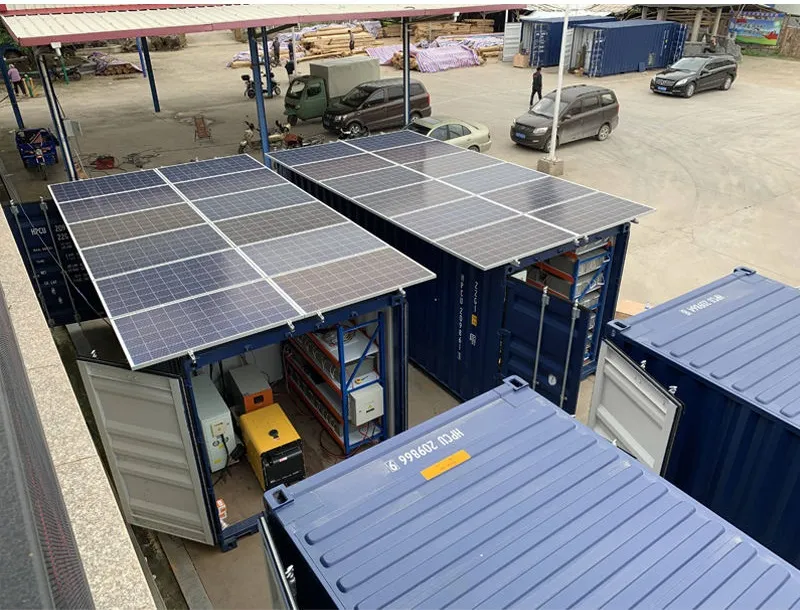
In today's world, where sustainability isn't just a buzzword but a critical goal for both homes and businesses, portable solar panels have emerged as game-changers. Whether you're building a cozy family home, renovating an office space, or managing a large commercial project, the right portable solar solution can cut costs, reduce environmental impact, and add flexibility to your energy setup. But with so many options on the market, how do you choose the best one? That's where working with a trusted one-stop architectural solution provider comes in—someone who understands both the technical specs and the real-world needs of residential and commercial projects. Let's dive into why portable solar panels are a smart investment, what to look for when shopping, and which top-rated models stand out for 2025.
Why Portable Solar Panels Are a Must-Have for Modern Projects
Gone are the days when solar panels were bulky, fixed installations limited to rooftops. Portable solar panels have rewritten the rulebook, offering flexibility that traditional systems can't match. For homeowners, this means you can power a remote cabin, charge outdoor appliances, or even add backup energy to your main grid. For businesses, it opens doors to temporary power for construction sites, outdoor events, or emergency backup in commercial buildings. But the benefits go beyond convenience.
Sustainability is at the forefront of today's building trends, and portable solar panels align perfectly with global "net-zero" goals. They reduce reliance on fossil fuels, lower carbon footprints, and even qualify projects for green building certifications. Plus, in regions like the Middle East, where sunlight is abundant year-round, portable solar panels become an even more powerful asset—turning that endless sunshine into usable energy for everything from residential complexes to hotels and office towers.
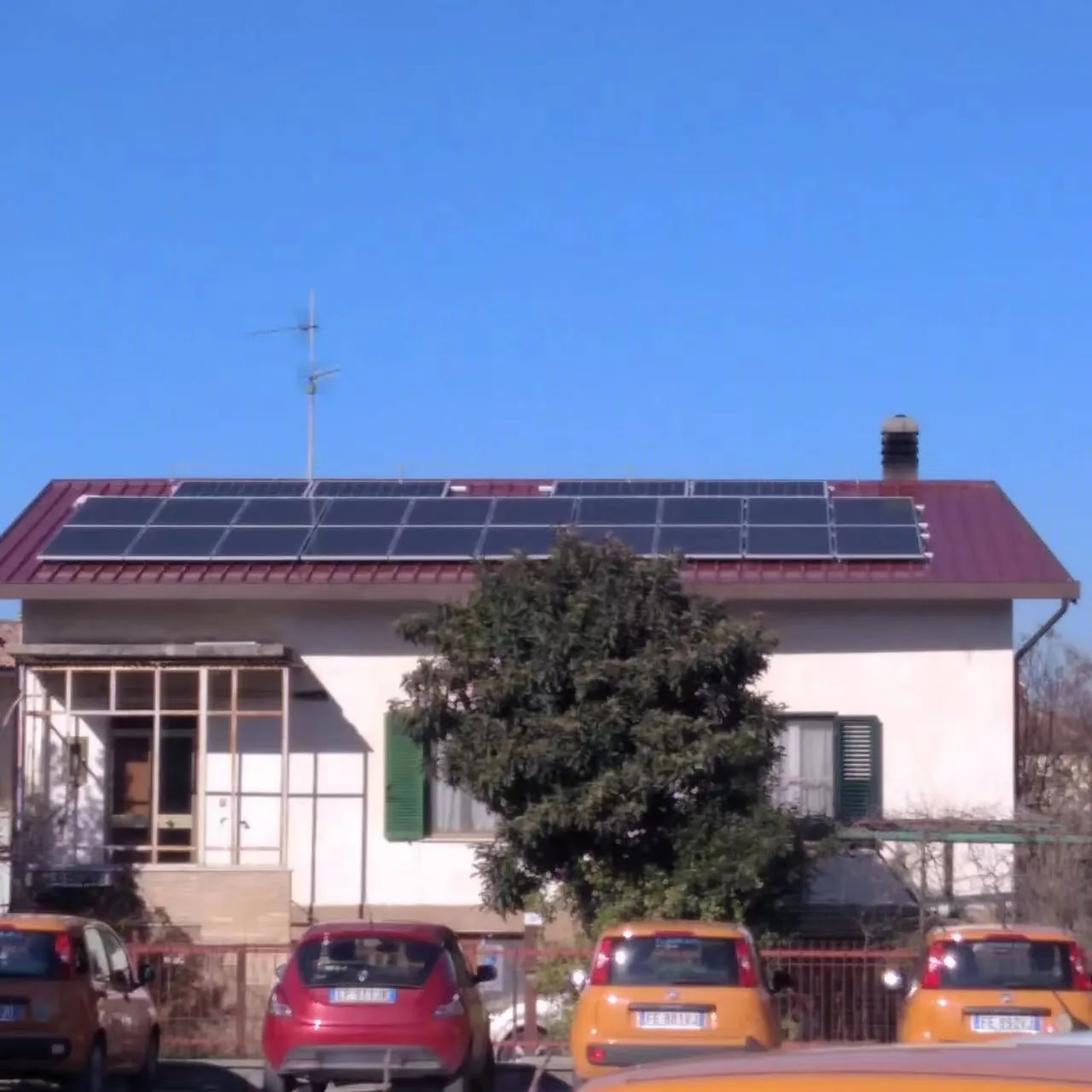
Portable Solar Panels for Residential Projects: What Homeowners Need to Know
When it comes to residential projects, portable solar panels aren't just for off-grid living. Even if you're connected to the main power grid, adding a portable system can help offset electricity bills, provide backup during outages, and make your home more eco-friendly. Let's break down the key reasons homeowners are turning to portable solar, and what features matter most.
Key Benefits for Residential Use
-
Cost Savings:
By harnessing free solar energy, homeowners can reduce monthly electricity bills—especially during peak usage times like summer when air conditioning costs spike. Over time, the panels pay for themselves through these savings.
-
Flexibility:
Unlike fixed rooftop panels, portable models can be moved as needed. Set them up in your backyard during the day, take them camping on weekends, or store them away when not in use. This is ideal for renters or homeowners who don't want permanent installations.
-
Easy Installation:
Most portable solar panels are plug-and-play. No need for complex wiring or professional installers—simply unfold, connect to a battery or inverter, and start generating power. This makes them perfect for DIY enthusiasts.
-
Backup Power:
In areas with unreliable grids, portable solar panels with a battery storage system act as a backup. Keep essential devices like refrigerators, phones, and lights running during blackouts without relying on noisy generators.
Top Features to Look for in Residential Portable Solar Panels
Not all portable solar panels are created equal. For residential use, focus on these features to ensure you get the best value:
-
Power Output:
Measured in watts (W), this determines how much energy the panel can generate. For small homes or backup use, 100-300W panels work well. Larger families might opt for 400W+ models to cover more devices.
-
Weight and Portability:
Look for lightweight, foldable designs. Panels under 15 pounds are easy to carry, while foldable models (like those with a briefcase-style design) save space when stored.
-
Durability:
Since they'll be outdoors, panels need to withstand weather conditions. Check for water resistance (IP65 or higher), scratch-resistant coatings, and sturdy frames that can handle wind or light rain.
-
Compatibility:
Ensure the panel works with your existing setup, whether that's a solar battery, inverter, or portable power station. Most panels come with standard USB ports, DC outputs, or MC4 connectors for easy integration.
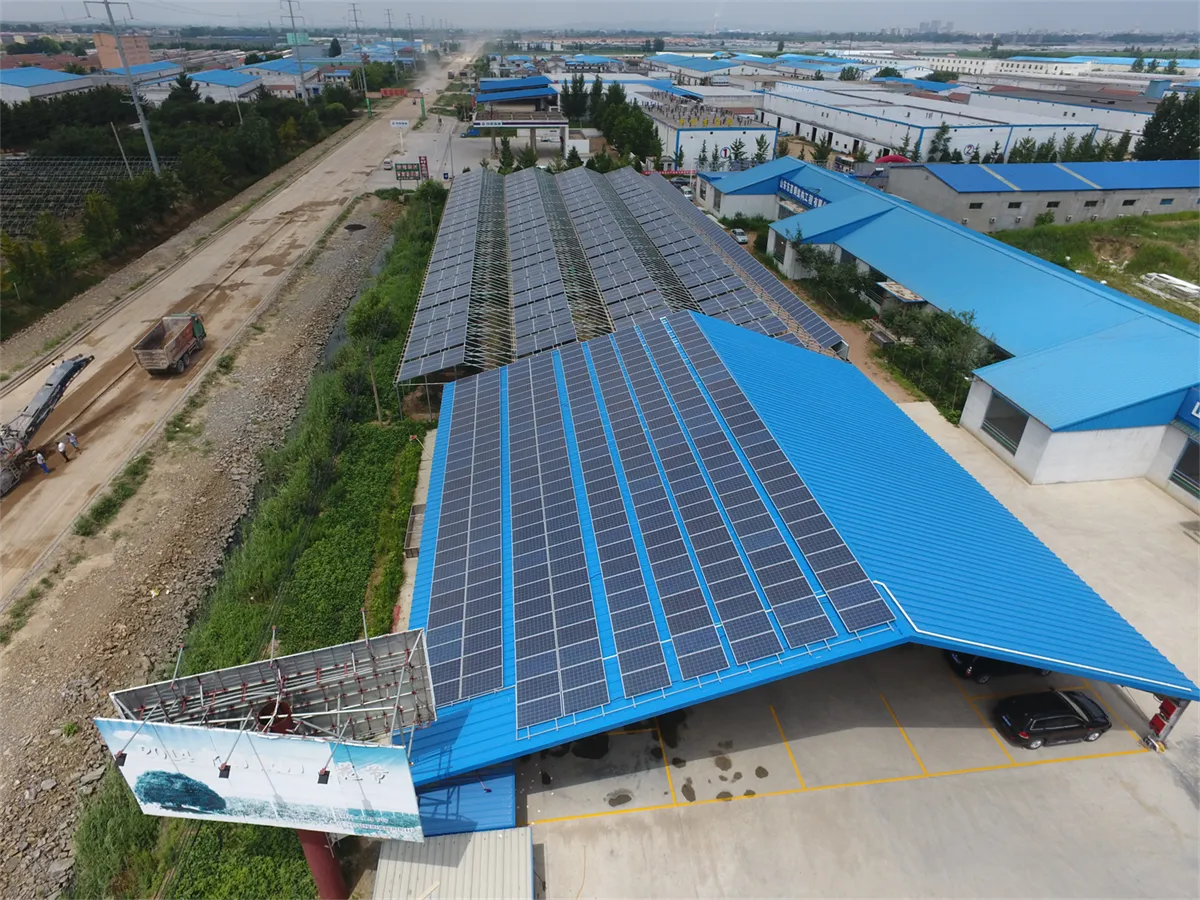
Portable Solar Panels for Commercial Projects: Powering Businesses Efficiently
Commercial projects have unique energy needs—think larger scale, higher power demands, and a focus on long-term ROI. Portable solar panels might not replace fixed commercial systems entirely, but they offer valuable support in several key areas. As a commercial building materials supplier, we've seen firsthand how portable solar enhances project efficiency, sustainability, and cost-effectiveness.
Common Commercial Applications
-
Construction Sites:
Temporary power for tools, lighting, and office trailers. Portable solar panels eliminate the need for noisy, fuel-powered generators, reducing both costs and emissions.
-
Outdoor Events:
Festivals, markets, and corporate events often require power for stages, food stalls, and ticketing booths. Portable solar provides clean, quiet energy without the hassle of extension cords.
-
Retail and Hospitality:
Hotels, restaurants, and stores can use portable panels to power outdoor seating areas, signage, or pop-up shops. They also serve as backup during grid outages to keep operations running smoothly.
-
Remote Workspaces:
For businesses with off-site facilities—like agricultural farms, research stations, or remote offices—portable solar panels provide reliable energy where traditional grids don't reach.
Key Features for Commercial Use
Commercial buyers should prioritize durability, scalability, and efficiency. Here's what to keep in mind:
-
High Power Output:
Commercial projects need more energy, so look for panels with 400W+ capacity. Some models can be daisy-chained (connected together) to increase total power output, making them scalable for larger needs.
-
Heavy-Duty Build:
Commercial panels are used more frequently and in harsher environments. Opt for models with reinforced frames, shatterproof glass, and high weather resistance (IP67 or higher) to withstand daily use.
-
Fast Charging:
Time is money in commercial settings. Panels with high efficiency ratings (20%+) convert sunlight to energy faster, ensuring you get more power in less time—critical for tight project deadlines.
-
Warranty and Support:
Commercial investments require reliability. Choose panels backed by long warranties (5+ years) and a supplier with strong customer support to handle any issues quickly.
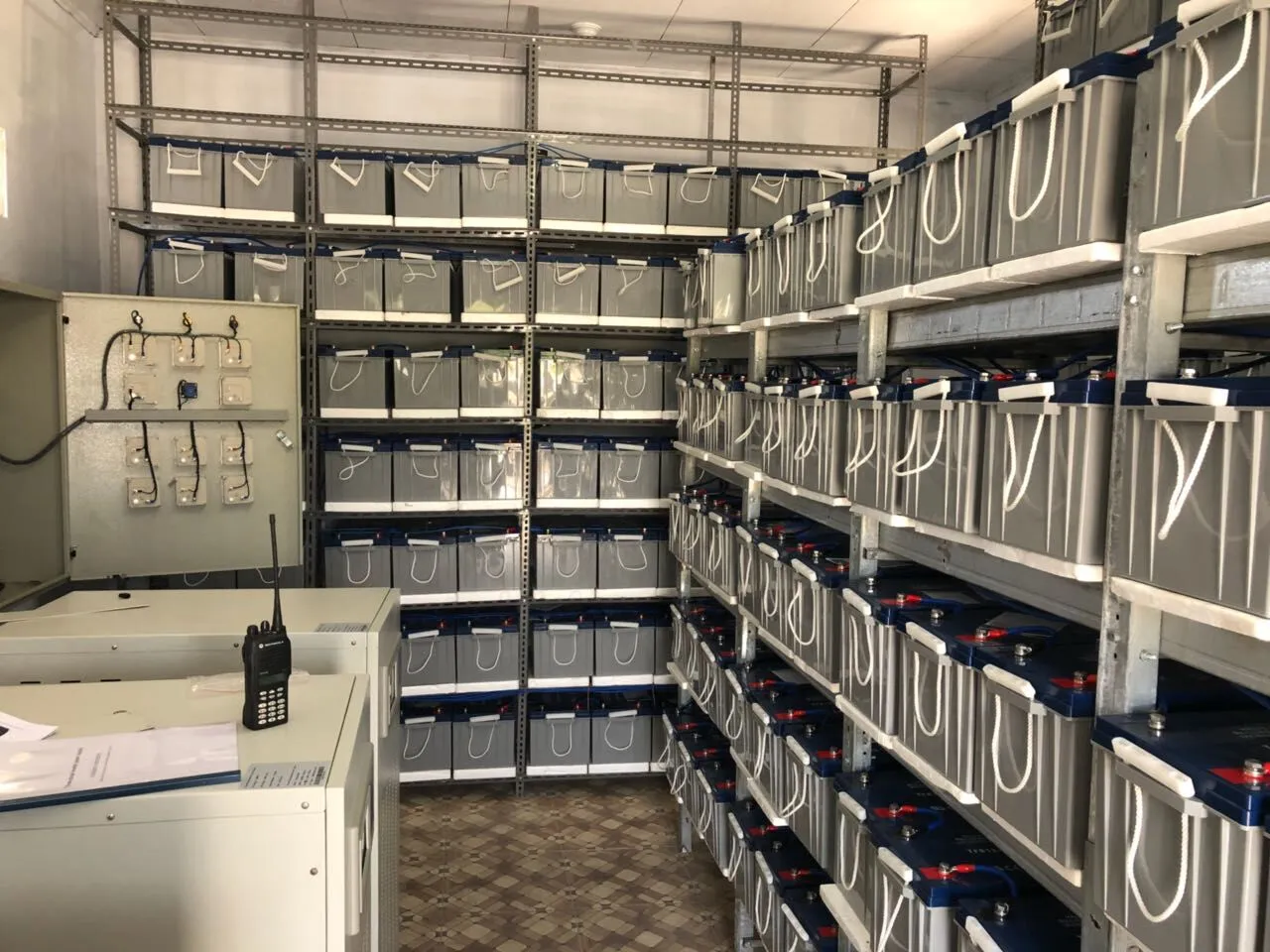
Top-Rated Portable Solar Panels for 2025: Our Recommendations
With so many options available, we've curated a list of top-rated portable solar panels for both residential and commercial use. These models stand out for their performance, durability, and value—backed by the quality you'd expect from a trusted one-stop architectural solution provider.
|
Model
|
Power Output
|
Dimensions (Folded/Unfolded)
|
Weight
|
Best For
|
Key Features
|
|
FlexSolar 200W Portable Panel
|
200W
|
20"x18"x3" / 60"x26"x1"
|
12 lbs
|
Residential (Small Homes, Camping)
|
Ultra-lightweight, foldable design; IP65 water-resistant; compatible with most portable power stations; 21% efficiency rating.
|
|
ProSolar 400W Commercial Panel
|
400W
|
30"x24"x5" / 80"x40"x2"
|
28 lbs
|
Commercial (Construction Sites, Events)
|
Heavy-duty aluminum frame; IP67 waterproof; daisy-chain capable (up to 4 panels); 23% efficiency; 10-year warranty.
|
|
EcoHome 300W All-in-One Kit
|
300W
|
25"x20"x4" / 70"x30"x1.5"
|
18 lbs
|
Residential (Backup Power, Off-Grid Cabins)
|
Includes built-in 500Wh battery; USB-C and AC outputs; foldable with carrying handle; weather-resistant (hail-proof up to 1" diameter).
|
|
MaxPower 500W Commercial Array
|
500W (2x250W panels)
|
35"x28"x6" / 90"x50"x2"
|
42 lbs
|
Commercial (Large Events, Remote Workspaces)
|
Dual-panel design for higher output; adjustable stands for optimal sun angle; compatible with industrial inverters; 22% efficiency; 15-year warranty.
|
Why These Models Stand Out
Each of these panels is designed with specific needs in mind. For residential users, the FlexSolar 200W and EcoHome 300W Kit balance portability and power, making them perfect for everyday use and emergencies. Commercial projects, on the other hand, benefit from the ProSolar 400W and MaxPower 500W Array, which prioritize durability and high output to keep operations running smoothly.
What ties them all together? They're backed by a supplier with decades of experience in the building materials industry, ensuring quality and reliability. Whether you're a homeowner or a commercial builder, you can trust these panels to deliver consistent performance—no matter the project.
Choosing the Right Supplier: Why Experience Matters
A great portable solar panel is only as good as the supplier behind it. When selecting a provider, look for a company that offers more than just products—someone who understands your project's unique needs and can deliver a seamless experience. Here's why partnering with a seasoned residential and commercial building materials supplier makes a difference:
-
Expertise in Local Markets:
Suppliers with regional experience (like those the Middle East) understand local climate conditions, regulations, and building trends. They can recommend panels optimized for your area—whether that's high heat resistance for Saudi Arabia or durability for coastal humidity.
-
One-Stop Shopping:
Instead of juggling multiple suppliers for solar panels, batteries, and accessories, a one-stop provider offers everything you need in one place. This saves time, reduces costs, and ensures all components work together seamlessly.
-
Custom Solutions:
Every project is different. An experienced supplier can tailor solar solutions to your specific needs—whether you need a small residential kit or a large commercial array. They'll even help with installation guidance and maintenance tips.
-
Global Support Network:
For international projects, a supplier with a global service network ensures you get support wherever you are. From warranty claims to technical questions, help is just a call or email away.
Frequently Asked Questions About Portable Solar Panels
How long do portable solar panels last?
Most portable solar panels last 5-10 years with proper care. Factors like exposure to extreme weather, storage conditions, and frequency of use can affect lifespan. To maximize longevity, clean panels regularly (wipe off dust and debris), store them in a dry, cool place when not in use, and avoid dropping or bending them.
Can portable solar panels work on cloudy days?
Yes, but their efficiency drops. On cloudy days, panels generate about 20-50% of their maximum output, depending on cloud cover. Some models with high-efficiency cells (like monocrystalline panels) perform better in low light than others, making them a better choice for regions with frequent cloudiness.
Do I need a battery to use portable solar panels?
It depends on your needs. If you want to use the energy immediately (e.g., charging a phone during the day), you can connect devices directly to the panel. For backup power or use at night, a battery is necessary to store excess energy. Many portable kits include a built-in battery, or you can pair panels with a separate solar battery storage system.
Are portable solar panels worth the investment for commercial projects?
Absolutely. While the upfront cost is higher than traditional generators, portable solar panels save money long-term by eliminating fuel costs and reducing maintenance. For example, a commercial construction site using a 400W panel could save hundreds of dollars on gasoline each month—plus, they reduce noise pollution and carbon emissions, aligning with sustainability goals.
How do I know which power output is right for my project?
Start by calculating your energy needs. For residential use, list devices you want to power (e.g., fridge: 150W, phone charger: 10W) and estimate daily usage hours. Multiply watts by hours to get watt-hours (Wh), then choose a panel that can generate at least that amount (accounting for weather and efficiency). For commercial projects, consult a supplier to assess your project's specific demands—they can help size the system correctly.
Final Thoughts: Powering the Future, One Panel at a Time
Portable solar panels are more than just a trend—they're a practical, sustainable solution for modern residential and commercial projects. Whether you're a homeowner looking to cut costs or a business aiming to reduce your carbon footprint, the right portable system can transform how you power your space.
By choosing top-rated models, partnering with an experienced supplier, and focusing on features that match your needs, you'll invest in a solution that delivers value for years to come. And as the world moves toward greener building practices, portable solar panels will only become more essential—proving that sustainability and convenience can go hand in hand.
Ready to take the next step? Contact a trusted one-stop architectural solution provider today to explore portable solar options tailored to your project. The sun's energy is waiting—let's put it to work.