
Walk into any commercial building—whether it's a bustling hospital, a sleek office tower, or a busy shopping mall—and you'll quickly realize that behind the polished facades and comfortable interiors lies a critical network keeping everything running smoothly: the plumbing system. From ensuring clean water flows to restrooms and kitchens to managing wastewater efficiently, reliable plumbing is the unsung hero of commercial spaces. But here's the thing: even the most well-designed plumbing system is only as good as the materials it's built with. That's where choosing the right PPR pipe and fitting supplier becomes more than a purchase decision—it's an investment in the longevity, safety, and efficiency of your project.
In this article, we're diving into what makes a top-tier PPR pipe and fitting supplier stand out in the competitive world of commercial building materials. We'll explore why PPR (Polypropylene Random Copolymer) has become the go-to choice for modern commercial plumbing, the range of solutions a leading supplier should offer, and how partnering with the right team can turn plumbing from a potential headache into a seamless, reliable foundation for your building. Whether you're a contractor, architect, or project manager, read on to discover how the right pipes fittings solutions can elevate your next commercial project.
In a market flooded with options, not all suppliers are created equal. When it comes to commercial buildings—where plumbing failures can lead to costly downtime, safety risks, or even regulatory issues—settling for second-best simply isn't an option. So, what should you look for in a standout PPR pipe and fitting supplier? Let's break it down.
At the core of any reliable supplier is a dedication to quality. PPR pipes and fittings might look similar at first glance, but the difference lies in the raw materials and manufacturing processes. Top suppliers use high-grade polypropylene resin, ensuring their products are resistant to corrosion, chemical degradation, and high temperatures—all critical for commercial settings where water usage is heavy and varied. For example, a hospital's plumbing system handles everything from hot water in sterilization rooms to cold water in patient rooms; the pipes need to withstand constant temperature fluctuations without weakening. A trusted supplier will happily share certifications (like ISO, ASTM, or local standards such as SASO for Saudi Arabia) and material test reports, giving you peace of mind that every pipe and fitting meets rigorous safety and performance benchmarks.
Here's a common frustration we've heard from contractors: suppliers who sell you a box of pipes and wash their hands of the rest. But commercial projects are complex—they require more than just materials. A top supplier understands this and offers PPR pipe and fitting solutions that go beyond the product itself. This might include custom design support (helping you select the right pipe diameters for high-rise pressure needs), on-site installation training (so your team can fuse fittings correctly the first time), or even 3D modeling assistance to avoid clashes with other building systems like electrical or HVAC. When a supplier sees themselves as a partner rather than a vendor, your project runs smoother, and you avoid costly mistakes.
Residential plumbing is one thing; commercial plumbing is a whole different ballgame. Commercial buildings have higher water demand, stricter code requirements, and often unique challenges (think: large-scale kitchens in hotels, or specialized medical gas lines in hospitals). A top commercial building materials supplier doesn't just know PPR—they understand the nuances of commercial projects. They can advise you on whether PPR is the best fit for your specific application (versus, say, UPVC for drainage or PEX for underfloor heating) and help you navigate local regulations, like fire safety standards or water efficiency codes. This expertise turns a generic supplier into a valuable resource for your project.
A leading PPR pipe and fitting supplier doesn't limit itself to one-size-fits-all products. Instead, it offers a diverse portfolio designed to meet the unique needs of different commercial spaces. Below is a breakdown of our core products and how they support various applications—because when it comes to plumbing, one solution rarely fits all.
| Product Category | Key Applications | Standout Features | Solutions Offered |
|---|---|---|---|
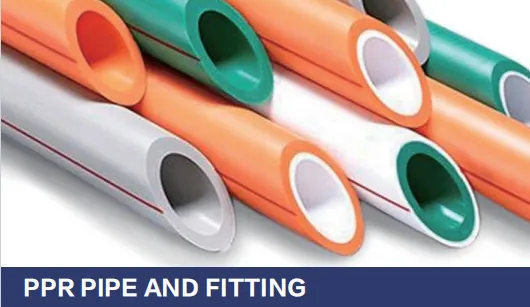
| PPR Hot & Cold Water Pipes (DN20-DN160) | Office buildings, hotels, schools, hospitals (potable water systems) | Heat-resistant (up to 95°C), low thermal expansion, smooth inner wall to prevent scaling | Custom length cutting, color-coded pipes (blue for cold, red for hot), fusion welding kits |
| PPR Industrial Pipes & Fittings | Factories, warehouses, chemical processing plants | Chemical-resistant, high-pressure rating (PN10-PN25), UV-stabilized for outdoor use | Material compatibility testing, pressure system design support, bulk order discounts |
| PPR Manifolds & Distribution Systems | Apartment complexes, student dormitories, large office floors | Modular design, individual shut-off valves, easy maintenance access | Hydraulic calculation support, manifold sizing for equal water pressure, installation guides |
| PPR Fittings (Elbows, Tees, Valves, Reducers) | All commercial plumbing systems (connecting pipes, controlling flow) | Precision-machined, leak-proof fusion joints, corrosion-resistant brass inserts for threaded connections | Full fitting compatibility guarantee, emergency replacement service, fitting selection charts |
But our commitment to pipes fittings solutions doesn't end with PPR. We understand that commercial plumbing systems are interconnected, which is why we also offer complementary products like UPVC pipes for drainage, PEX pipes for radiant heating, and brass valves for critical control points. This one-stop approach means you can source all your plumbing materials from a single supplier, reducing logistical headaches and ensuring compatibility across your entire system.
You might be wondering: with so many pipe materials available (copper, galvanized steel, UPVC, PEX), why has PPR become the preferred option for commercial buildings? Let's cut through the noise and look at the real-world benefits that make PPR a standout choice.
Commercial buildings are built to last decades, and their plumbing systems should too. PPR pipes have a lifespan of 50+ years when properly installed—far longer than traditional galvanized steel (prone to rust) or even some UPVC pipes (which can become brittle over time). We've worked on renovation projects where PPR pipes installed 20 years ago were still in perfect condition, saving the client from the massive cost of repiping. For schools or hospitals planning for long-term use, this longevity isn't just a nice-to-have; it's a budget-saver.
Time is money in commercial construction, and PPR pipes shine here. Unlike copper, which requires soldering (a skill-intensive, time-consuming process), PPR uses heat fusion welding. With the right tools, a trained installer can join pipes and fittings in minutes, creating a seamless, leak-proof bond. This speeds up installation by 30-40% compared to copper, helping you meet tight project deadlines. And because PPR is lightweight, it's easier to transport and handle on-site, reducing labor costs further. When it comes to maintenance, PPR's smooth inner surface resists limescale and sediment buildup, meaning fewer clogs and less frequent pipe cleaning—another win for busy facility managers.
In hospitals, schools, or food processing facilities, water hygiene is non-negotiable. PPR pipes are non-toxic, lead-free, and resistant to bacterial growth (thanks to their smooth, non-porous surface). This makes them ideal for potable water systems where contamination risks are high. We recently supplied PPR pipes for a children's hospital in Riyadh, and the project manager noted that the material's compliance with international hygiene standards (like NSF/ANSI 61) was a key factor in their decision. When the health of occupants is on the line, PPR delivers the peace of mind you need.
Numbers and features tell part of the story, but real-world results tell the rest. Here are two recent projects where our PPR pipe and fitting solutions made a tangible difference—because seeing is believing.
The challenge: A high-rise office building with 1,200+ workers needed a plumbing system that could handle peak water demand (think: morning rush hours in restrooms) without pressure drops or leaks. The contractor initially considered copper but was concerned about installation time and long-term corrosion. We proposed a PPR solution with DN110-DN160 main lines and DN20-DN50 branch lines, paired with our pressure-optimized manifolds. By using fusion welding, the installation team finished 3 weeks ahead of schedule, saving over 15% on labor costs. Two years post-occupancy, the facility manager reports zero leaks and consistent water pressure across all floors—proof that PPR can handle the demands of even the tallest buildings.
Hospitals have unique plumbing needs: strict hygiene standards, 24/7 operation, and specialized systems for sterile areas. For this project, we supplied PPR pipes for potable water, paired with our pipes fittings solutions that included on-site training for the hospital's maintenance team. We also provided color-coded pipes to differentiate between regular water, medical water, and HVAC systems, reducing the risk of cross-connection errors during installation. Post-completion, the hospital's engineering director noted, "We used to spend 10+ hours weekly on plumbing maintenance in our old facility. With the new PPR system, that's down to 2 hours—time we can now spend on patient care."
Today's commercial buildings aren't just about function—they're about responsibility. From LEED certifications to local sustainability mandates, eco-friendly practices are no longer optional. As a leading supplier, we've integrated sustainability into every step of our process, because we believe good plumbing shouldn't come at the planet's expense.
First, our PPR pipes are 100% recyclable at the end of their lifespan, reducing landfill waste. We also use energy-efficient manufacturing processes, cutting our carbon footprint by 20% in the last five years. For clients aiming for green building certifications, we provide Environmental Product Declarations (EPDs) to document the environmental impact of our products. But sustainability isn't just about materials—it's about efficiency. PPR's smooth inner wall reduces water flow resistance, meaning pumps use less energy to maintain pressure. In a large hotel, this can translate to 10-15% lower water heating and pumping costs annually—a win for both the environment and your utility bills.
We've all heard horror stories: a supplier delivers the wrong parts, then takes weeks to respond to your call. In commercial construction, delays like that can derail entire projects. That's why we built our business on the belief that support doesn't end when the truck leaves the warehouse. Here's what sets our customer service apart:
As one contractor put it, "Working with you isn't just about buying pipes—it's about having a partner who's as invested in the project's success as we are." That's the kind of relationship we strive for.
At the end of the day, choosing a PPR pipe and fitting supplier is about trust. Trust that the materials will perform, trust that the solutions will fit your needs, and trust that support will be there when you need it most. As a commercial building materials supplier with over 15 years in the industry, we've earned that trust by prioritizing quality, offering comprehensive PPR pipe and fitting solutions , and standing by our clients from design to delivery and beyond.
Whether you're building a small retail space or a sprawling hospital, your plumbing system is the backbone of your project. Don't leave it to chance. Choose a supplier who understands the unique demands of commercial construction, who offers more than just products, and who treats your success as their own. After all, when your plumbing works seamlessly, everything else follows.
Ready to build a plumbing system that lasts? Let's talk. Your project deserves nothing less than the best—and that's exactly what we deliver.
Recommend Products












