

Saudi Arabia's skyline is changing faster than ever. From the futuristic towers of Riyadh to the coastal developments of Jeddah, and the ambitious projects of NEOM, the kingdom is in the midst of a construction revolution. As cities expand and architectural dreams grow bolder, the demand for building materials that blend durability, beauty, and practicality has never been higher. For architects, developers, and homeowners alike, the choice of cladding—the "skin" of a building—can make or break a project. It's not just about looks; it's about withstanding scorching summers, reducing maintenance headaches, and aligning with modern design trends. Enter MCM flexible cladding stone wall panels: a material that's quickly becoming the go-to solution for those who refuse to compromise on quality or style.
But what makes these panels stand out in a market flooded with options? Why are residential building materials suppliers and commercial building materials suppliers across Saudi Arabia prioritizing MCM cladding for their projects? In this article, we'll dive into the world of MCM panels, exploring how they're transforming architectural façade solutions, meeting the unique challenges of Saudi Arabia's climate, and redefining what's possible in both residential and commercial spaces. Whether you're planning a luxury villa, a bustling office complex, or a community hospital, understanding MCM panels could be the key to unlocking your project's full potential.
Let's start with the basics. MCM stands for "Metal Composite Material," but don't let the name fool you—these panels are designed to mimic the look and feel of natural stone, with a flexibility and lightweight profile that traditional stone can only dream of. At their core, MCM panels consist of two thin metal sheets (usually aluminum) bonded to a non-aluminum core, often made of polyethylene. This sandwich-like structure gives them strength without the weight, and flexibility without sacrificing durability. Think of it as the architectural equivalent of a high-performance sports car: sleek, strong, and engineered to perform under pressure.
But why "flexible cladding"? Unlike rigid stone slabs that crack under stress or heavy concrete panels that limit design freedom, MCM panels can bend and curve, adapting to the unique contours of a building's façade. This flexibility is a game-changer for architects aiming to create dynamic, eye-catching designs—think sweeping curves, angular geometries, or even custom patterns that reflect cultural motifs. For a country like Saudi Arabia, where modern architecture often pays homage to traditional art and heritage, this adaptability allows for buildings that feel both contemporary and rooted in local identity.
Another standout feature? MCM panels are designed to be lightweight. Traditional natural stone cladding can weigh upwards of 50 kg per square meter, putting immense strain on a building's structure and increasing construction time and costs. MCM panels, by contrast, typically weigh just 3–5 kg per square meter. That's a fraction of the weight, making installation faster, safer, and more cost-effective. For high-rise buildings, in particular, this reduction in load can translate to significant savings in structural engineering and construction materials—a detail that any commercial building materials supplier will tell you is impossible to ignore.
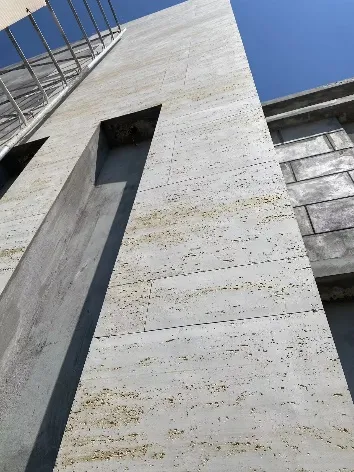
Saudi Arabia's climate is not for the faint of heart. Summer temperatures regularly soar above 45°C (113°F), while sandstorms and high humidity (in coastal areas) test the resilience of even the toughest materials. MCM flexible cladding stone wall panels are built to thrive here, and it's not by accident.
First, consider heat resistance. The aluminum outer layers of MCM panels reflect sunlight, reducing heat absorption and keeping buildings cooler. This isn't just about comfort; it's about energy efficiency. In a country where air conditioning bills can be astronomical, a cladding material that lowers indoor temperatures can lead to significant savings on utility costs. Imagine a residential complex where families no longer dread opening their electricity bills in August—that's the impact of smart material choices.
Then there's durability. MCM panels are resistant to corrosion, fading, and impact—critical traits when sand particles are carried by strong winds at speeds that can scratch traditional paint or wear down stone. Unlike wood-based panels (which warp in humidity) or even some stone cladding (which can crack in extreme temperature swings), MCM panels maintain their integrity year after year. For developers, this means fewer callbacks for repairs and happier clients. For homeowners, it means a building that looks as good on day 1,000 as it did on day one.
But it's not just about surviving the elements—it's about thriving aesthetically. Saudi Arabia's modern architecture is all about making a statement. From the sleek lines of the Kingdom Centre in Riyadh to the organic forms of the Jeddah Tower (once completed), buildings here are designed to inspire. MCM panels support this vision by offering a vast range of finishes: from the rough texture of natural granite to the smooth sheen of polished marble, and even custom colors that match brand identities or cultural themes. A commercial building materials supplier can work with clients to create panels that mimic rare stones like Switzerland stone or cloud stone, without the logistical headaches of importing heavy materials.
Sustainability is another key factor. As Saudi Arabia moves toward its Vision 2030 goals, which emphasize environmental responsibility, MCM panels check important boxes. They're lightweight, reducing carbon emissions during transportation and installation. Many are also recyclable, aligning with green building standards like LEED. For hospitals, schools, and public buildings—projects where sustainability is often a priority—this makes MCM panels a responsible choice. Even better, their low maintenance requirements mean less water and chemicals are needed over time, further reducing their environmental footprint.
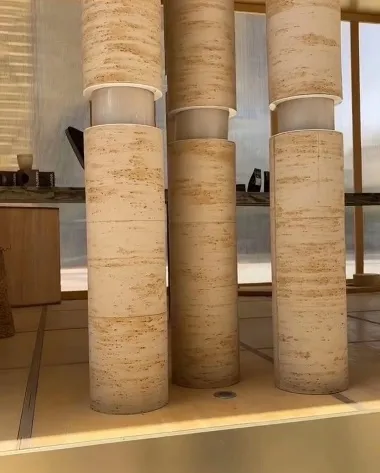
MCM flexible cladding stone wall panels aren't a one-trick pony. Their versatility makes them suitable for almost any project, whether you're building a cozy family home or a sprawling shopping mall. Let's break down how they shine in different settings.
For homeowners in Saudi Arabia, a villa's exterior is a source of pride. It's the first thing guests see, and it needs to reflect personal style while standing up to the elements. MCM panels offer the best of both worlds. Imagine a villa in Riyadh with a façade that mimics the warm tones of traditional sandstone but weighs a fraction of the real thing. Thanks to MCM's flexibility, the panels can be shaped to follow the villa's unique architecture—arched windows, curved walls, or intricate patterns that tell a story. And because they're low maintenance, busy families don't have to worry about repainting or repairing cracks every few years. It's a material that lets homeowners have their dream home without the ongoing hassle.
Interior applications are also growing in popularity. MCM panels can be used as accent walls in living rooms or bedrooms, adding texture and luxury without overwhelming the space. A residential building materials supplier might recommend panels with a wood grain finish for a cozy, rustic look, or a sleek, metallic finish for a modern, minimalist vibe. The possibilities are endless, and because they're fire-resistant (many MCM panels meet Class A fire safety standards), they offer peace of mind for families with children or elderly members.
In the commercial world, first impressions are everything. A hotel's façade needs to attract guests; an office building should convey professionalism; a shopping center must feel inviting. MCM panels excel here by combining durability with design flexibility. Take, for example, a hotel in Jeddah overlooking the Red Sea. The client wants a façade that shimmers like the ocean but can withstand salty air and high humidity. MCM panels with a iridescent finish could do just that, reflecting sunlight by day and city lights by night—all while resisting corrosion. For a hospital or school, where safety is paramount, MCM panels with Class A fireproof ratings (similar to Class A fireproof CPL inorganic boards) provide an extra layer of protection, ensuring the building meets strict safety codes.
Retail spaces also benefit from MCM's versatility. A clothing store might opt for panels with a matte marble finish to create an upscale atmosphere, while a café could use textured MCM panels to evoke a cozy, industrial vibe. Even large-scale projects like airports or convention centers rely on MCM panels to cover vast surfaces quickly and efficiently. Because they're lightweight, installation crews can work faster, reducing construction timelines and getting projects completed on schedule—a critical factor for commercial developers working with tight deadlines.
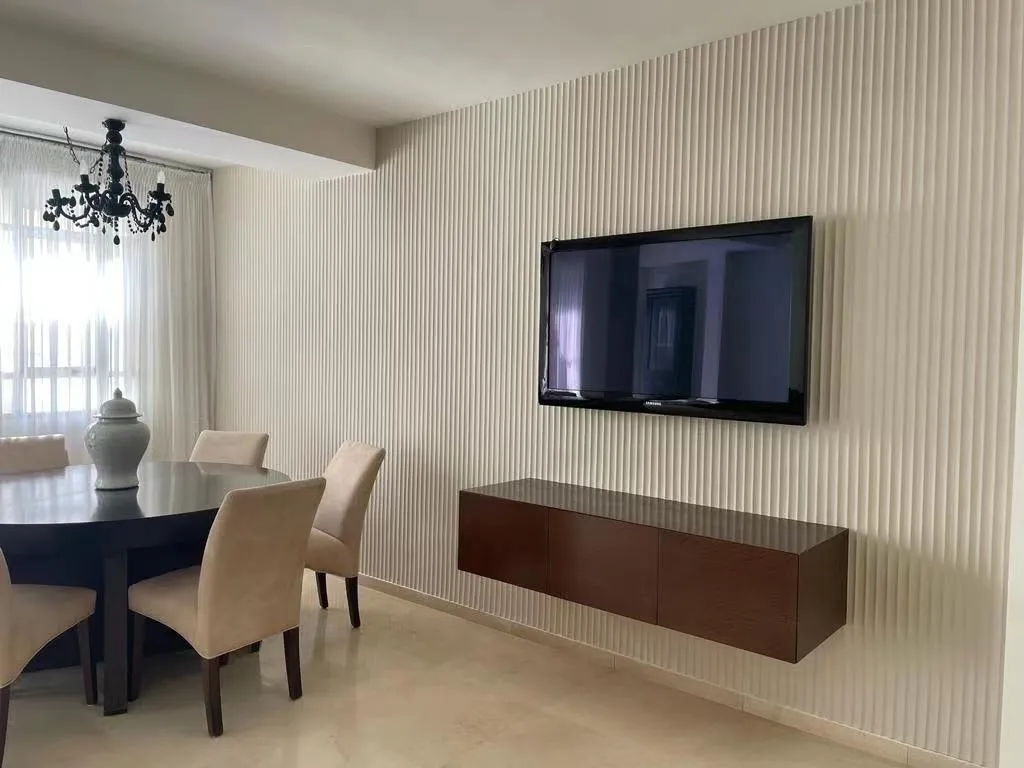
To truly appreciate MCM flexible cladding stone wall panels, it helps to see how they compare to other popular cladding materials. Let's take a look at how they measure up against traditional stone, PU stone wall panels, and WPC wall panels—the three most common alternatives.
| Feature | MCM Flexible Cladding Stone Wall Panels | Traditional Natural Stone | PU Stone Wall Panels | WPC Wall Panels |
|---|---|---|---|---|
| Weight | 3–5 kg/m² (Lightweight, easy to install) | 40–60 kg/m² (Heavy, requires structural support) | 8–10 kg/m² (Lightweight but less durable) | 12–15 kg/m² (Moderate weight, prone to warping in heat) |
| Flexibility | Highly flexible; bends to curves and angles | Rigid; cannot bend without cracking | Moderately flexible; limited curve capability | Low flexibility; best for flat surfaces |
| Durability | Excellent; resistant to fading, corrosion, and impact | High but prone to cracking in temperature swings | Moderate; may degrade in extreme heat | Low; susceptible to moisture and heat damage |
| Installation | Fast and easy; lightweight reduces labor costs | Slow and labor-intensive; requires heavy machinery | Moderate; adhesive-based installation | Moderate; similar to wood installation |
| Climate Resistance (Saudi Arabia) | Excellent; heat, sand, and humidity resistant | Good but heavy; heat absorption increases cooling costs | Poor; may soften or warp in high temperatures | Poor; moisture and heat cause swelling |
| Cost (Long-Term) | Moderate upfront; low maintenance = lower long-term costs | High upfront; high maintenance costs over time | Low upfront; high replacement costs due to durability issues | Low upfront; frequent replacement needed |
As the table shows, MCM panels strike a balance that's hard to beat. They offer the aesthetic appeal of natural stone without the weight or cost, the flexibility of PU panels without the durability concerns, and the ease of installation of WPC panels without the vulnerability to heat and moisture. For a country like Saudi Arabia, where climate and cost are major considerations, this makes MCM panels a clear front-runner.

Numbers and features tell part of the story, but real projects bring it to life. Let's look at two case studies that highlight how MCM flexible cladding stone wall panels have transformed construction in Saudi Arabia.
A leading residential building materials supplier was tasked with cladding a 20-villa complex in northern Riyadh, where temperatures often exceed 48°C in summer. The developer wanted a consistent, high-end look across all villas, with a finish that mimicked the region's iconic sandstone but with better performance. MCM panels were chosen for their lightweight nature (reducing foundation costs) and heat-reflective properties (lowering cooling bills for residents).
The result? Each villa features a custom MCM cladding design in warm beige and gold tones, with curved panels that soften the architecture and create a sense of flow. Installation took just 3 weeks per villa—half the time estimated for traditional stone cladding. A year later, residents report that their homes stay noticeably cooler in summer, and the developer has received inquiries from other projects eager to replicate the look. As one resident put it: "It's like having a beautiful stone home without the stress of maintaining it. I can focus on enjoying my space, not fixing it."
A commercial building materials supplier collaborated on a 30-story office tower in Jeddah's business district. The architect's vision called for a dynamic façade with alternating textures and colors, inspired by the rhythm of the Red Sea. Traditional materials couldn't meet the design's flexibility requirements, and weight was a concern for the tower's structure. MCM panels proved to be the solution.
Using a combination of matte and glossy MCM finishes, the team created a façade that shimmers and shifts with the sun's movement. The panels were curved at the tower's corners to soften its silhouette, and custom colors were developed to match the client's brand identity. Because MCM panels are lightweight, the tower's structural design could be optimized, saving millions in construction costs. Today, the building is a landmark in Jeddah, praised for its innovation and functionality. As the project manager noted: "MCM panels turned an ambitious design into a reality. We didn't have to compromise on look or performance—and that's priceless."
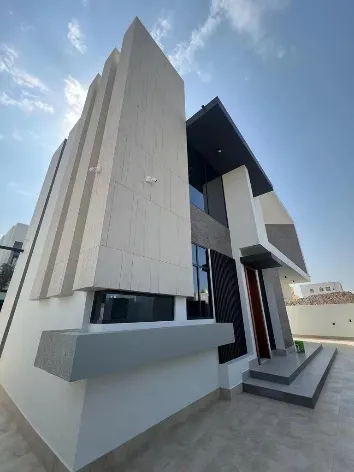
Now that you're convinced MCM flexible cladding stone wall panels are the way to go, the next step is finding a supplier you can trust. Not all suppliers are created equal, and the quality of panels can vary dramatically. Here are a few key factors to consider:
Look for a supplier who understands the local climate and construction norms. A residential building materials supplier with years of experience in Riyadh or Jeddah will know which MCM panel finishes hold up best in the heat, which certifications are required for local projects, and how to navigate logistics in the kingdom. They'll also have relationships with local installers, ensuring a smooth process from delivery to completion.
Your project is unique, and your panels should be too. A good supplier will offer a wide range of finishes, colors, and textures, from classic stone looks to modern metallic hues. They should also be willing to customize panels to your specifications—whether that means matching a specific shade of Switzerland stone or creating a custom pattern for a feature wall. Don't settle for "off-the-shelf" options if your design demands something special.
Safety and durability are non-negotiable. Ask suppliers for certifications that verify their panels meet international standards, such as ASTM or ISO, for fire resistance, impact strength, and weathering. A reputable supplier will also have strict quality control processes in place, testing panels for flaws before they're shipped. For projects like hospitals or schools, where safety is critical, look for panels that meet Class A fireproof ratings, similar to Class A fireproof CPL inorganic boards.
Construction projects have unexpected twists, and you need a supplier who's there when you need them. From answering technical questions during the design phase to troubleshooting issues during installation, a responsive supplier can save you time and stress. Ask about their after-sales service too—do they offer warranties on panels? Will they help with repairs if something goes wrong? A supplier who stands behind their product is worth their weight in gold.
As Saudi Arabia continues to invest in its built environment, MCM flexible cladding stone wall panels are poised to play an even bigger role. Here are a few trends to watch:
Suppliers are constantly developing new finishes to meet evolving design trends. Expect to see MCM panels that mimic rare stones like moon rock or shale slate, as well as panels with integrated technology—think solar-reflective coatings that further reduce cooling costs or panels embedded with LED lights for nighttime aesthetics.
With Vision 2030 pushing for greener construction, MCM panel manufacturers are focusing on eco-friendly materials. Look for panels made from recycled aluminum, low-VOC coatings, and cores derived from renewable resources. Some suppliers are even exploring carbon-negative production processes, making MCM panels a leader in sustainable building.
The future of construction is smart, and MCM panels are keeping up. Imagine panels that can sense temperature changes and adjust their reflectivity, or panels with embedded sensors that monitor structural health. While this technology is still emerging, it's only a matter of time before MCM panels become an integral part of smart building ecosystems.
Saudi Arabia's construction boom is about more than just bricks and mortar—it's about building a future that's bold, sustainable, and uniquely Saudi. MCM flexible cladding stone wall panels embody this vision, offering a material that's as strong as the kingdom's ambitions and as versatile as its cultural heritage. From residential villas that blend tradition and modernity to commercial towers that push architectural boundaries, MCM panels are proving that you don't have to choose between beauty and practicality.
As you embark on your next project, remember: the right cladding isn't just a surface—it's a statement. It's about creating spaces that inspire, protect, and endure. With MCM panels, you're not just building a structure; you're building a legacy. So why settle for anything less than the best? Partner with a trusted residential or commercial building materials supplier, explore the possibilities of MCM cladding, and watch your vision come to life—stronger, lighter, and more beautiful than you ever imagined.
Recommend Products











