
In the fast-paced world of healthcare, every second counts. From emergency room teams rushing to stabilize a patient to nurses transporting medication between floors, the smooth flow of people and supplies can mean the difference between life and death. At the heart of this movement? Hospital elevators. These aren't just ordinary lifts—they're specialized, medical-grade systems designed to meet the unique demands of healthcare environments. In Saudi Arabia, where the healthcare sector is expanding rapidly to support the Kingdom's Vision 2030, choosing the right hospital elevator manufacturer isn't just a business decision; it's a commitment to patient safety, staff efficiency, and the future of medical infrastructure.
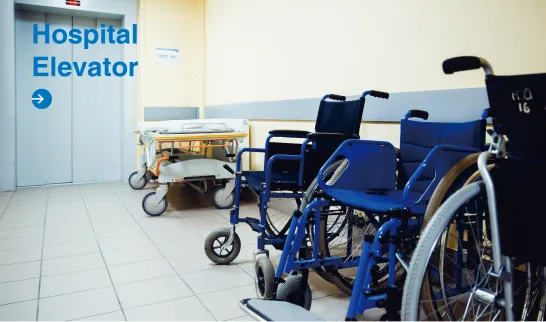
Let's start with the basics: hospitals are not like other buildings. They're 24/7 operations with a mix of users—frail patients in wheelchairs, stretchers carrying critical cases, medical staff pushing carts loaded with equipment, and visitors navigating unfamiliar corridors. This means hospital elevators need to do more than just go up and down. They need to be safe (no sudden stops when a stretcher is inside), reliable (no breakdowns during peak hours), spacious (to fit gurneys and medical equipment), and quiet (to keep stress levels low in already tense environments).
But it doesn't stop there. Modern hospitals also require elevators that align with strict regulations—think fire safety codes, accessibility standards for people with disabilities, and even infection control (easy-to-clean surfaces that resist bacteria growth). In Saudi Arabia, where healthcare facilities are upgrading to meet international accreditation standards, these requirements are non-negotiable. A subpar elevator can disrupt operations, delay care, and even put lives at risk. That's why choosing a manufacturer with a proven track record in medical-grade lifts is so critical.
Did you know? According to Saudi Arabia's Ministry of Health, the Kingdom plans to add over 40,000 new hospital beds by 2030 as part of Vision 2030. Each new hospital, clinic, and medical center will need specialized elevators to support its operations—making now the perfect time to explore the top manufacturers in the region.
Saudi Arabia's Vision 2030 isn't just about diversifying the economy—it's about improving quality of life for citizens. A key pillar of this vision is upgrading healthcare infrastructure, with billions of dollars invested in new hospitals, research centers, and medical cities (like the King Salman bin Abdulaziz Medical City in Riyadh, one of the largest in the Middle East). These state-of-the-art facilities aren't just about fancy equipment; they're about creating environments that support world-class care. And that includes elevators.
Let's break down the demand: new hospitals need elevators for patient transport, emergency services, staff movement, and cargo (like delivering pharmaceuticals or lab samples). Existing facilities are also retrofitting older elevators to meet modern standards—after all, an elevator installed 20 years ago might not handle today's heavier stretchers or stricter safety rules. This surge in demand has put the spotlight on manufacturers who understand both global best practices and local needs.
Local expertise matters here. Saudi Arabia has unique challenges, from extreme temperatures (which can affect elevator mechanics) to specific building codes aligned with Gulf Cooperation Council (GCC) standards. A manufacturer with roots in the region—or strong local partnerships—can navigate these complexities far more effectively than an outsider. That's where companies like Coloria come in: as a trusted saudi arabia building materials supplier with decades of experience in the Middle East, they bring both global expertise and on-the-ground insight to the table.
Not all elevator manufacturers are created equal—especially when it comes to healthcare. So, what should hospital administrators and project managers prioritize when choosing a supplier? Let's break down the must-have traits:
When it comes to top hospital elevator manufacturers in Saudi Arabia, Coloria stands out—not just as a supplier, but as a one-stop architectural solution provider that understands the big picture of healthcare infrastructure. Let's dive into why they're a go-to choice for hospitals across the Kingdom.
Coloria isn't new to Saudi Arabia. With a dedicated (representative office) in the Kingdom and decades of experience serving the Middle East market, they've built relationships with local contractors, architects, and healthcare administrators. This means they don't just sell elevators—they understand the nuances of Saudi healthcare projects, from navigating government regulations to coordinating with local construction teams. For hospital managers, this translates to smoother projects, fewer delays, and peace of mind knowing the supplier speaks the same language (both literally and figuratively).
Coloria's hospital elevators are built with one goal in mind: to enhance healthcare delivery. Let's take a closer look at their key features:
| Feature | Benefit for Hospitals | Coloria's Solution |
|---|---|---|
| Extra-Large Cabins | Accommodates stretchers, wheelchairs, and medical equipment | Cabins up to 2.5m x 3m, with low thresholds for easy stretcher entry |
| Emergency Backup Power | Ensures elevators work during blackouts (critical for patient safety) | Integrated UPS systems with 4-hour backup, meeting SASO emergency standards |
| Infection-Resistant Surfaces | Reduces bacteria growth in high-traffic areas | Stainless steel interiors with anti-microbial coatings, easy to disinfect |
| Quiet Operation | Minimizes stress for patients and staff | Noise levels below 50dB (quieter than a normal conversation) |
| Smart Monitoring | Predicts maintenance needs to avoid downtime | IoT-enabled sensors that send real-time alerts to Coloria's service team |
But Coloria doesn't stop at elevators. As a one-stop architectural solution provider , they can also supply the other building materials hospitals need—from energy-efficient lighting to fireproof wall panels—streamlining the procurement process. Imagine coordinating with just one supplier for your elevator, electrical systems, and even bathroom fixtures. It cuts down on paperwork, reduces communication gaps, and ensures all components work together seamlessly. For busy hospital project managers, this is a game-changer.
Saudi Arabia's Vision 2030 isn't just about buildings—it's about building a sustainable future for citizens. This includes creating jobs for locals and reducing the Kingdom's carbon footprint. Coloria aligns with these goals in two key ways:
First, they're committed to local talent development. By investing in training programs for Saudi engineers and technicians, Coloria is helping build a skilled workforce that can maintain and service elevators (and other building materials) for years to come. This not only supports Vision 2030's localization targets but also ensures faster, more reliable service for clients—since technicians are based locally, not flown in from abroad.
Second, Coloria prioritizes sustainability. Their elevators are designed to be energy-efficient (with regenerative drives that feed excess energy back into the grid), and they offer green building materials like solar panels and eco-friendly wall systems. For hospitals aiming to meet LEED or GSAS (Green Building Council Saudi Arabia) certifications, this is a huge plus. After all, a sustainable hospital isn't just good for the planet—it's good for long-term operating costs, too.
Real-World Impact: Let's take a hypothetical example. A new 500-bed hospital in Jeddah partners with Coloria for its elevators and building materials. By choosing Coloria's medical-grade lifts, the hospital reduces stretcher transport time by 30% (thanks to faster, more reliable elevators). The integrated one-stop procurement saves the project team 20% on administrative costs, and the local technician training program creates 15 new jobs in the community. It's a win-win-win—for the hospital, the staff, and the Kingdom.
So, with so many options out there, why choose Coloria? Let's sum it up:
As Saudi Arabia's healthcare sector continues to expand, the demand for innovative hospital elevators will only grow. What trends can we expect to see? For starters, smart elevators will become more common—think AI-powered systems that learn traffic patterns (like peak hours in the maternity ward) and adjust service accordingly. We'll also see a focus on sustainability , with more energy-efficient models and materials that reduce carbon footprints. And as telemedicine and remote patient monitoring grow, elevators might even integrate with virtual care systems—for example, allowing nurses to check on patients via in-elevator screens during transport.
Coloria is already ahead of the curve here. They're investing in R&D to develop next-gen elevators with features like touchless controls (to reduce germ spread) and predictive maintenance algorithms that can spot issues before they cause breakdowns. And because they're a hospital elevator supplier that understands the bigger picture, they're working to integrate these elevators with other smart building systems—creating truly connected healthcare environments.
Hospital elevators might not be the first thing you think about when you imagine a world-class healthcare system, but they're the unsung heroes that keep everything moving. In Saudi Arabia, where Vision 2030 is transforming healthcare infrastructure, choosing the right manufacturer is a decision that will impact patient care, staff efficiency, and facility performance for decades to come.
Coloria stands out as a leader in this space—not just for its high-quality medical-grade elevators, but for its commitment to the Kingdom's future. As a saudi arabia building materials supplier with deep local roots and a global perspective, they offer the perfect blend of expertise, service, and sustainability. Whether you're building a new hospital or upgrading an existing one, partnering with Coloria means investing in elevators that don't just meet today's needs, but anticipate tomorrow's challenges.
In the end, it's simple: hospitals deserve the best. And when it comes to hospital elevators in Saudi Arabia, the best is Coloria.
Recommend Products












