
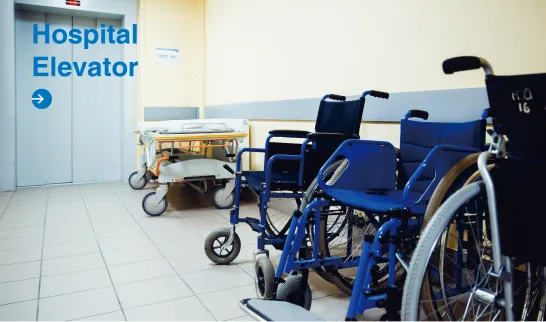
Walking through a bustling hospital, you'll notice something fundamental: elevators aren't just metal boxes moving between floors—they're lifelines. Whether rushing an emergency gurney to surgery or helping an elderly patient visit a newborn grandchild, elevators keep hospitals beating. They make these complex buildings work, and without them, medical care simply couldn't deliver like it does today.
But hospital elevators aren't like any others. They need to be:
That's why choosing the right elevator brand makes all the difference. Let's explore the top players making hospital journeys safer across the UK.
Post-Covid, hospitals have doubled down on fighting germs. Leading brands now build elevators with:
A hospital in Manchester actually saw HAIs drop 18% after installing this new tech—proof these innovations aren't just marketing fluff.
Otis isn't just in UK hospitals—they're part of the fabric. Their safety features become literal lifelines with bed vibration dampening so smooth, you can carry open fluids during transport. What stands out?
The NHS trust at St Thomas' Hospital credits Otis with a 99.7% uptime across their cancer treatment elevators.
KONE’s approach centers on patient dignity. Their "butterfly door" systems accommodate beds without jostling patients. Innovative features include:
Addenbrooke’s recent retrofit proved KONE’s models move medical teams 22% faster during emergencies—critical minutes when it counts.
Schindler built a name with customizable solutions. Their specialized elevators include MRI shielding and modular designs that retrofit into Victorian-era NHS buildings. Highlights:
When the new Bristol Royal Infirmary opened, Schindler equipped 84 elevators to handle 1.2 million monthly trips.
Imagine summoning an elevator just by approaching, no button needed. Or predictive elevators dispatching during shift changes. AI and machine learning will transform hospital mobility:
Trials at Glasgow’s Queen Elizabeth University Hospital are already seeing 30-second average wait times—down from over 2 minutes. That’s not sci-fi—it’s happening now.
Hospitals must balance ecology with life-saving. Today’s greener models feature:
The Royal Free Hospital cut elevator energy use by 41% with these upgrades—making their huge footprint smaller while keeping care standards high.
Whether visiting a relative or going for check-ups, we all interact with hospital elevators. And behind every reliable ride is smart engineering focused on people. From the paramedic whose gurney fits perfectly to the grandfather reaching maternity ward joy without pain—this tech elevates us all.
So next time you step inside a hospital lift, take a second. That smooth journey? It’s decades of innovation working silently. Because ultimately, when elevators work perfectly, we only notice the humans they help.
Recommend Products












