
How Innovation and Customer Focus Are Reshaping Vertical Transportation
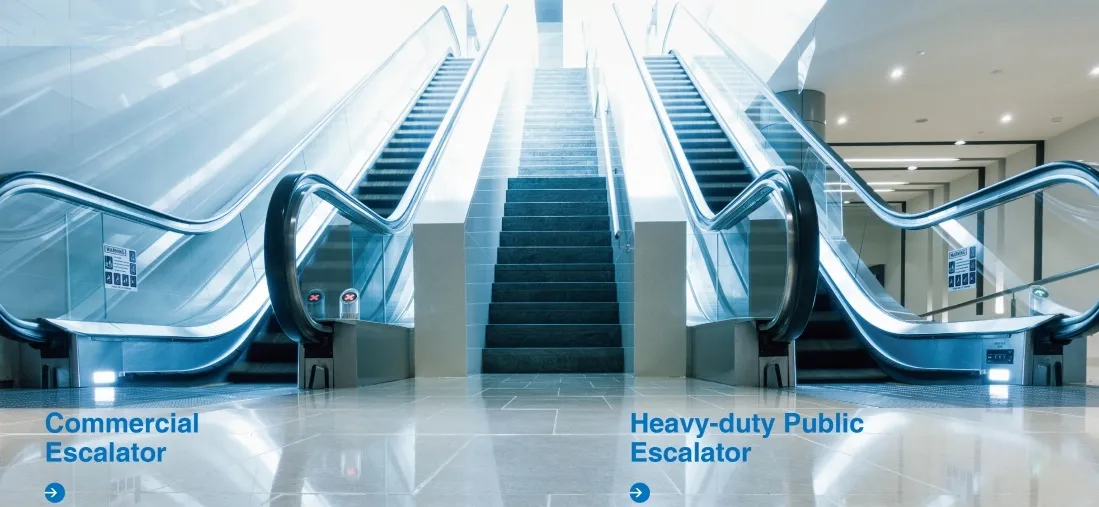
Walk into any modern shopping centre, transport hub, or office complex across the UK, and you'll notice something remarkable – escalators have evolved beyond mere functional machines into sophisticated systems that shape our experiences. These moving staircases do more than transport people between floors; they influence traffic flow, impact retail revenue, and even contribute to a building's architectural statement.
The UK escalator and elevator market is projected to grow at 9.61% annually
reaching £3.5 billion by 2028, driven by urbanisation and infrastructure renewal
The UK's vertical transportation sector is experiencing unprecedented transformation. As cities become denser and buildings taller, escalators have become critical circulatory systems for urban infrastructure. Greater London remains the epicenter, contributing over 40% of market activity due to its concentration of high-rise developments and historic buildings undergoing modernization.
Three seismic shifts are reshaping the industry:
Imagine escalators that communicate their health status. Modern systems come equipped with sensors that monitor everything from step alignment to motor temperature. This data, analyzed by AI algorithms, enables maintenance teams to intervene before breakdowns occur. Schindler's PORT technology reduces downtime by 70% in high-traffic locations like Heathrow Terminal 5.
Sustainability isn't just a buzzword—it's reshaping procurement decisions. KONE's regenerative drives capture energy from descending escalators, channeling it back into building systems. Water-resistant environmentally friendly building materials now dominate external installations, reducing corrosion and maintenance costs. Thameslink stations have seen 45% energy reductions using these systems.
Escalators are no longer hidden transport utilities. Landmark projects like Battersea Power Station feature curved escalators with glass balustrades as sculptural elements. Brands collaborate with architects early in design phases to create seamless integration, with customisable finishes ranging from sustainable woods to brushed metals.
Leading manufacturers now exceed regulatory requirements. Features include tactile warning strips with contrasting colours, gentle acceleration profiles for wheelchair users, and voice-assisted navigation systems. Thyssenkrupp's inclusive design approach at Westfield London increased footfall accessibility metrics by 22%.
Facing capital constraints, municipalities increasingly adopt "escalator-as-service" arrangements. Providers like Otis install and maintain systems for fixed monthly fees, with performance guarantees. The Birmingham New Street Station refurbishment used this model to upgrade 32 escalators without upfront public expenditure.
Finnish engineering meets British practicality. KONE dominates infrastructure projects with innovations like their "people flow" analytics that optimise escalator speed based on real-time traffic. Their maintenance teams use AR glasses for remote expert assistance, reducing repair times.
Signature UK Project: King's Cross Station redevelopment
Swiss precision focused on digital integration. Schindler's IoT platform tracks 120+ performance parameters per escalator. Their modular design allows swift component replacement during overnight maintenance windows—critical for retail environments.
Signature UK Project: One Nine Elms luxury residential towers
The American innovator driving energy efficiency. Otis' Gen2 Prime escalators with flat-step technology increase safety while reducing energy consumption by up to 60%. Their predictive maintenance algorithms extend component life by 40%.
Signature UK Project: Tottenham Hotspur Stadium
German engineering excellence meets accessibility. Thyssenkrupp's MULTI system concept introduces horizontal-vertical transportation integration. Their "transparent step" design uses LED lighting to signal operational status, improving user confidence.
Signature UK Project: Victoria & Albert Museum extension
The British heritage brand going global. While historically focused on lifts, Stannah now offers escalators combining local engineering with international best practices. Their modular approach simplifies installations in listed buildings with access constraints.
Signature UK Project: Manchester Arndale Centre refurbishment
Japanese precision for bespoke solutions. Fujitec excels in curved and spiral escalator installations where space constraints challenge conventional designs. Their ultra-compact machines integrate seamlessly into historic buildings undergoing conversion.
Signature UK Project: The O2 Entertainment District
Selecting the right escalator partner involves weighing complex factors:
Forward-thinking operators evaluate Total Lifecycle Costs rather than upfront prices. A premium escalator costing 20% more might deliver 50% longer service life and 40% lower energy consumption. Maintenance contracts with performance clauses incentivise reliability—look for providers offering guaranteed uptime metrics.
Leading brands now offer Building Management System (BMS) integration. These escalators communicate with security systems, lighting controls, and HVAC—adjusting operations based on building occupancy. Testing interface compatibility early prevents costly retrofits.
"The most successful installations happen when escalator specialists join design teams during concept development. Waiting until technical design stages costs 30% more in modifications."
– Senior Architect, Leading UK Commercial Developer
Modular designs allow component upgrades without full replacements. Leading operators negotiate right-to-upgrade clauses, ensuring they can adopt future innovations like biometric traffic flow optimization or solar-powered step illumination.
The future of vertical transportation is being written today. Three developments demand attention:
Projects under development aim for "energy positive" escalators by 2030, generating power instead of consuming it.
In a market worth £2.63 billion and growing at nearly double-digit rates, UK escalator technology represents more than engineering excellence—it's about creating frictionless human experiences. The leading brands aren't just selling machines; they're delivering reliability engineering, energy intelligence, and architectural partnership.
The transformation from functional necessity to brand-enhancing centerpiece represents an extraordinary opportunity for developers, architects, and facility managers. Those embracing the latest innovations gain more than efficient people movers; they create signature spaces where movement becomes an art form, accessibility becomes invisible, and sustainability becomes measurable. The escalator's evolution continues its upward trajectory.
Recommend Products












