
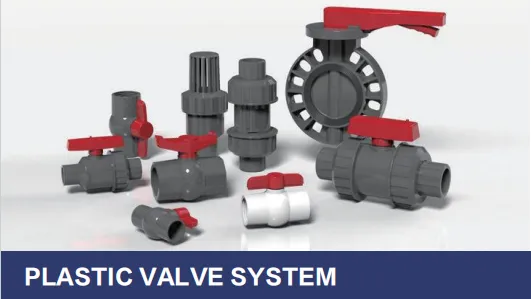
At the heart of the one-stop supplier advantage is simplicity. When you work with a single provider that offers everything from plastic valves to PPR pipe and fittings, you eliminate the need to manage relationships with half a dozen vendors. No more juggling 10 different email threads or tracking 5 separate delivery schedules. Instead, you have one account manager, one contract, and one set of terms—making communication clear and accountability straightforward.
Imagine calling one person to resolve an issue with your UPVC pipe order and your plastic valve delivery. With a one-stop supplier, your dedicated rep knows your project inside out, from the specifications of your PVC DWV pipes to the timeline for your PEX pipe fittings. This level of familiarity means faster problem-solving and fewer miscommunications. For example, if your PPR pipe and fitting shipment arrives with a minor defect, your rep can coordinate a replacement for both the fittings and any affected valves in one go—no need to escalate to multiple customer service teams.
Procurement paperwork can drown even the most organized teams. Invoices, delivery receipts, quality certificates—each supplier adds a stack of documents to process. A one-stop supplier consolidates all this into a single monthly invoice and a unified set of compliance papers. For a mid-sized contractor handling 10+ projects yearly, this can cut administrative hours by 30% or more, freeing your team to focus on what matters: building.
Cost control is the backbone of profitable construction, and one-stop suppliers deliver savings that multiply across your project. By bundling your orders for plastic valves, PVC DWV pipes, and UPVC pipes, you unlock economies of scale that individual suppliers can't match. Let's break down where the savings add up.
One-stop suppliers thrive on volume, and they pass those savings to you. For instance, ordering 500 plastic valves alongside 2,000 meters of UPVC pipe might qualify you for a 10-15% bulk discount—a saving that could fund an entire phase of finishing work. Compare that to buying from a standalone PVC DWV pipe supplier, where you'd pay full price for smaller quantities, and the difference becomes clear.
Shipping materials from multiple locations isn't just time-consuming—it's expensive. A single delivery truck dropping off your plastic valves, PPR pipe and fittings, and PEX pipes costs far less than three separate shipments from different suppliers. For a hotel renovation project in Riyadh, one contractor reported cutting transportation costs by 22% by switching to a one-stop supplier that coordinated all plumbing material deliveries in a single trip.
When you source from multiple suppliers, quality can feel like a roll of the dice. One PVC DWV pipe supplier might meet ASTM standards, while another's UPVC pipes fall short on thickness. This inconsistency isn't just a nuisance—it's a safety risk, especially in critical applications like hospital plumbing or high-rise water systems. One-stop suppliers eliminate this guesswork by maintaining strict quality control across their entire product line.
Consider a school construction project where plumbing safety is paramount. A one-stop supplier ensures that the plastic valves, PPR pipe and fittings, and PVC DWV pipes all adhere to the same rigorous testing protocols—from pressure resistance to chemical durability. This uniformity gives project managers peace of mind, knowing that every component works together seamlessly, reducing the risk of leaks or failures down the line.
Reputable one-stop suppliers also invest in third-party certifications, such as ISO 9001 for quality management or NSF/ANSI standards for plumbing products. When you partner with a supplier that holds these certifications, you're not just buying materials—you're buying a guarantee that every plastic valve, pipe, and fitting meets industry-best practices.
Building materials aren't one-size-fits-all. A residential project might require flexible PEX pipe fittings for tight spaces, while a commercial high-rise needs heavy-duty UPVC pipes that can withstand high water pressure. A one-stop supplier doesn't just sell you products—they provide the expertise to choose the right ones. Many employ in-house engineers and product specialists who can advise on everything from material selection to installation best practices.
Suppose you're working on a hospital renovation that requires Class A fireproof materials. A knowledgeable one-stop supplier can guide you toward PPR pipe and fittings that meet fire safety codes, while also recommending compatible plastic valves that won't compromise the system's integrity. This level of customization is hard to find when piecing together parts from a PVC DWV pipe supplier here and a PEX pipe fitting supplier there.
Technical support extends beyond pre-purchase advice, too. If your team encounters a challenge during installation—say, a compatibility issue between your UPVC pipes and plastic valves—your one-stop supplier's engineers can troubleshoot in real time, reducing downtime and keeping your project on track.
Delays are the silent project killers. A late shipment from a PVC DWV pipe supplier can stall the plumbing phase, which then delays electrical work, and before you know it, your project is weeks behind. One-stop suppliers mitigate this risk by controlling the entire supply chain—from manufacturing to delivery. They have the infrastructure to prioritize your order, adjust schedules on the fly, and ensure materials arrive when you need them.
| Aspect | Traditional Multi-Supplier Approach | One-Stop Supplier Approach |
|---|---|---|
| Delivery Timeline | Risk of delays from multiple sources; 20-30% higher chance of missed deadlines | Single delivery schedule; 95% on-time delivery rate (industry average) |
| Inventory Management | Overstocking to avoid shortages; ties up capital | Just-in-time delivery options; optimized inventory levels |
| Communication Overhead | Daily check-ins with 5+ suppliers; time-consuming | Weekly updates from one contact; 40% less communication time |
For example, a residential developer in Jeddah recently shared how their one-stop plastic valve system supplier helped them meet a tight deadline. When a sudden design change required switching from standard UPVC pipes to larger-diameter ones, the supplier rerouted inventory from their local warehouse, ensuring the new pipes arrived within 48 hours—no costly delays, no frantic scrambling.
One-stop suppliers aren't just vendors—they're invested in your success. When you build a long-term relationship with a provider that understands your business, you gain access to perks that go beyond the initial sale. Think priority pricing during peak seasons, early access to new products (like innovative PPR pipe fittings or eco-friendly plastic valves), and even co-developed solutions for recurring project needs.
For instance, a property management company that specializes in commercial retrofits might partner with a one-stop supplier to create a "retrofit kit" containing pre-sized PVC DWV pipes, UPVC pipes, and plastic valves tailored to their most common project specs. This not only speeds up procurement but also ensures consistency across all their buildings—strengthening their reputation for quality.
Recommend Products












