
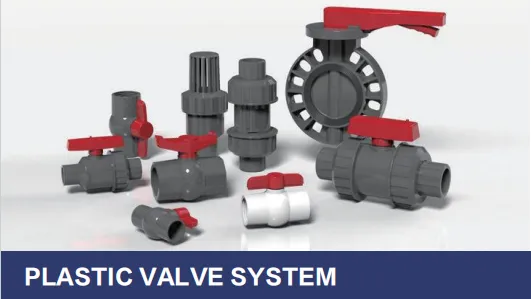
In the intricate web of construction, plumbing, and industrial systems, plastic valve systems quietly hold everything together. From regulating water flow in a residential high-rise to controlling chemical pipelines in a factory, these unassuming components are the backbone of functionality and safety. But here's the thing: not all plastic valve system suppliers are created equal. Choosing the right one can mean the difference between a project that runs smoothly, stays within budget, and stands the test of time—and one that's plagued by leaks, delays, and costly replacements.
In markets like Saudi Arabia, where construction booms and infrastructure projects scale rapidly, the demand for reliable building materials has never been higher. Whether you're a contractor working on a commercial complex, a plumber fitting out a hospital, or a developer overseeing a residential community, the plastic valve system supplier you partner with becomes an extension of your team. They need to deliver more than just products—they need to deliver trust, expertise, and peace of mind.
So, what separates the standout suppliers from the rest? After years of working with industry professionals and analyzing successful partnerships, we've narrowed it down to five core qualities. Let's dive into each, and why they matter more than you might think.
| Quality | Key Indicators | Why It Matters |
|---|---|---|
| Uncompromising Product Quality & Certification | ISO 9001 certification, ASTM/EN compliance, third-party testing | Ensures durability, safety, and compliance with industry standards |
| Comprehensive Product Range & Compatibility | Offers valves, pipes, fittings; cross-compatible with other systems | Reduces logistical hassle and minimizes compatibility risks |
| Technical Expertise & Proactive Support | In-house engineers, on-call consultation, installation guidance | Solves complex project challenges and prevents costly mistakes |
| Flexibility in Customization & Scalability | Custom sizes/materials, adapts to small/large orders | Meets unique project needs, from residential to industrial |
| Robust After-Sales Service & Partnership | Warranty coverage, rapid issue resolution, long-term support | Protects your investment and fosters reliable, ongoing collaboration |
Let's start with the basics: quality. A plastic valve might look simple, but its performance hinges on the materials used, the precision of manufacturing, and adherence to strict standards. When evaluating a plastic valve system supplier , the first question should be: "Can I trust these products to perform under pressure—literally?"
High-quality plastic valves are built from virgin-grade materials like PVC, CPVC, or PPR, which resist corrosion, chemical degradation, and temperature fluctuations. But how do you verify this? Look for suppliers who don't just claim quality—they prove it through certifications. ISO 9001 is a baseline, indicating a commitment to quality management systems. For specific applications, check for compliance with industry standards like ASTM D2466 (for PVC pipe fittings) or EN 1452 (for plastic pipes in water supply). A reputable pvc-u sch40 pressure piping system supplier , for example, should readily provide test reports showing their products meet SCH40 pressure ratings—critical for high-pressure applications like municipal water systems or industrial processing.
Third-party testing is another red flag (or green flag, in this case). Suppliers who invest in independent lab testing demonstrate transparency. Imagine ordering a batch of valves for a hospital's water supply system—you can't afford to gamble on whether they'll withstand daily use. A supplier that shares results for burst pressure, impact resistance, and leak tightness isn't just selling a product; they're selling peace of mind.
On the flip side, cutting corners on quality can have disastrous consequences. We've heard horror stories of contractors who opted for cheaper, uncertified valves only to face leaks in a high-rise apartment building six months post-construction. The cost of repairs, not to mention reputational damage, far outweighed the initial savings. Quality isn't an expense—it's an investment in avoiding future headaches.
A great plastic valve system supplier isn't a one-trick pony. In today's fast-paced construction environment, time is money—and juggling multiple suppliers for valves, pipes, and fittings is a logistical nightmare. The best suppliers act as one-stop shops , offering a full suite of products that work seamlessly together.
Think about it: if you need plastic valves for a residential project, chances are you'll also need upvc pipe supplier services for the main lines, and maybe ppr pipe and fitting supplier support for hot water systems. A supplier that stocks all these products under one roof eliminates the need for multiple purchase orders, delivery schedules, and invoice tracking. But beyond convenience, there's a bigger benefit: compatibility.
Incompatible parts are a silent project killer. A valve that doesn't fit the pipe thread, or a fitting that's made from a different material, can lead to leaks, reduced flow, or even system failure. A supplier with a comprehensive range designs products to work in harmony. For example, their PPR pipes will pair perfectly with their PPR valves, and their UPVC fittings will align with their UPVC valves—no guesswork, no last-minute substitutions.
Take a commercial kitchen project, for instance. The plumber needs valves for cold water lines, hot water lines, and drainage systems. A supplier with a diverse catalog can provide UPVC valves for drainage, PPR valves for hot water, and PVC-U SCH40 valves for high-pressure cold water—all guaranteed to fit with their respective pipes. This not only speeds up installation but also reduces the risk of errors. When every component is designed to work together, the system is more efficient, durable, and easier to maintain.
Look for suppliers who go beyond the basics, too. Do they offer specialty products like ball valves, gate valves, or check valves? Can they provide valves for unique applications, such as chemical-resistant options for industrial use or low-lead valves for potable water systems? The broader their range, the more they can adapt to your project's evolving needs.
Ever called a supplier with a technical question and gotten a generic, "I'll check and call you back"? Frustrating, right? When you're in the middle of a project, you need answers—fast. That's why technical expertise is non-negotiable in a plastic valve system supplier. The best ones don't just sell products; they employ engineers and industry specialists who understand the ins and outs of how their products perform in real-world scenarios.
Imagine you're working on a hospital renovation, where fire safety is paramount. You need valves that can withstand high temperatures and meet strict fire codes. A supplier with technical depth won't just point you to a "fire-rated" valve—they'll explain the difference between Class A and Class B fire resistance, recommend materials that comply with hospital regulations, and even help you calculate the correct valve size based on the building's water flow requirements. That level of support turns a transaction into a partnership.
Proactive support is another hallmark of top suppliers. They don't wait for you to ask questions—they anticipate your needs. For example, if you're a regular customer ordering valves for residential projects, they might alert you to a new PEX valve design that's easier to install and more durable than your current choice. Or, if they hear about a common issue with a batch of fittings, they'll reach out to you proactively to ensure you're not affected.
On-site support is another bonus. Some suppliers offer training sessions for your team, showing them how to properly install and maintain their valves. Others send engineers to job sites to troubleshoot complex installations. We recently spoke with a contractor who raved about their supplier: "When we were installing a large-scale irrigation system for a mall, their engineer spent two days on-site, walking us through each valve connection. We finished ahead of schedule and haven't had a single leak since." That's the kind of support that turns customers into lifelong partners.
No two projects are identical. A valve system that works for a small apartment might be completely unsuitable for a sprawling industrial complex. That's why flexibility is key. The best plastic valve system suppliers don't force you into a "one-size-fits-all" box—they adapt to your unique requirements.
Customization can range from simple tweaks to full-blown design overhauls. Maybe you need a valve with a specific thread size for a heritage building renovation, or a corrosion-resistant material for a coastal project (where saltwater can degrade standard plastics). A flexible supplier will work with you to modify existing products or even develop new ones to meet those needs. For example, a ppr pipe and fitting supplier might offer custom-length PPR pipes to reduce waste on a tight construction site, or a pvc-u sch40 pressure piping system supplier could adjust valve dimensions to fit an unusual wall cavity.
Scalability is equally important. A supplier that can handle small orders for residential projects should also be able to scale up for large commercial jobs. Imagine you're a developer who starts with a 50-unit apartment building and later expands to a 500-unit complex. Your supplier should seamlessly transition from fulfilling small batches to large-volume orders without compromising on quality or delivery times.
We once worked with a supplier who exemplified this. A client needed 100 valves for a boutique hotel and, a year later, 5,000 valves for a mixed-use development. The supplier not only met both orders on time but also offered volume discounts for the larger order—helping the client stay within budget. That's the kind of flexibility that makes a supplier indispensable.
Beware of suppliers who refuse to budge on customization or struggle with scaling. They might work for simple projects, but when you hit a curveball—a unique design, a sudden order increase, or a last-minute specification change—they'll leave you scrambling. The right supplier sees challenges as opportunities to prove their value.
The sale doesn't end when the valves are delivered—that's when the real relationship begins. After-sales service is where average suppliers falter and great ones shine. A supplier who disappears once the invoice is paid isn't a partner; they're a transaction. The best suppliers stand behind their products and are invested in your long-term success.
Start with warranty coverage. A solid warranty (we're talking 5+ years, not 30 days) shows the supplier has confidence in their products. But warranties are just the beginning. What happens if a valve fails six months after installation? A responsive supplier will send a replacement immediately, no questions asked. Some even offer on-site repair services to minimize downtime.
Maintenance support is another critical aspect. Over time, valves may need adjustments or repairs. A supplier that provides maintenance guides, spare parts, and even technician referrals makes it easy to keep your systems running smoothly. For example, if you're managing a school with hundreds of valves, your supplier could schedule annual check-ins to inspect the system and address potential issues before they escalate.
Long-term partnership means growing with you. The best suppliers take the time to understand your business goals, project pipelines, and challenges. They'll share industry insights, alert you to new product innovations, and even help you forecast future material needs. We spoke with a plumbing contractor who said, "Our supplier knows we specialize in healthcare projects, so they're always the first to tell us about new lead-free valves or antimicrobial coatings—things that give us an edge with clients." That's the kind of partnership that drives mutual success.
At the end of the day, after-sales service is about trust. When you know your supplier will be there to support you if something goes wrong, you can focus on what you do best—building great projects.
Choosing a plastic valve system supplier is more than just comparing prices on a quote. It's about finding a partner who aligns with your values, understands your challenges, and is committed to your success. The five qualities we've explored—uncompromising quality, comprehensive product range, technical expertise, flexibility, and robust after-sales service—are the foundation of that partnership.
In markets like Saudi Arabia, where construction projects are ambitious and timelines are tight, the right supplier can be the difference between a project that meets deadlines and budget, and one that spirals into delays and cost overruns. They're not just providing valves—they're providing the reliability, support, and peace of mind you need to deliver exceptional results.
So, the next time you're evaluating suppliers, look beyond the catalog. Ask about their certifications. Inquire about their product range and compatibility. Test their technical knowledge. Discuss customization options. And don't forget to ask, "What happens if something goes wrong?" The answers will tell you everything you need to know.
After all, your project deserves more than a supplier. It deserves a partner. Choose wisely.
Recommend Products












