

Sustainable Innovation Transforming Global Architecture
Have you ever wondered how eco-friendly building materials could transform not just your home, but entire cities? Imagine replacing conventional, resource-draining materials with sustainable options that look beautiful, require less maintenance, and benefit the planet . Welcome to the world of Wood Plastic Composites (WPC), where innovative manufacturers are reshaping the architectural landscape.
Across construction sites and design studios, a quiet revolution is taking place. WPC wall panels - the unsung heroes of green architecture - are replacing traditional materials at breakneck speed. These modern composites, blending wood fibers with polymers, aren't just environmentally conscious choices; they're economically smart solutions designed for longevity and aesthetic appeal.
Hailing from Winchester, Virginia, Trex dominates the premium residential WPC market with a focus that goes beyond profits to sustainability impact . Imagine this: they annually repurpose over one billion pounds of plastic film and wood scrap - trash that would otherwise pollute landscapes and oceans.
Signature Tech: Their Transcend line features proprietary shell-and-core technology that creates fade-resistant surfaces with authentic wood grain textures.
Beyond Aesthetics: A pioneer in sustainability reporting, Trex's declare Label product certification provides complete material transparency, setting new environmental standards.
Applications: Residential decking, exterior wall cladding, privacy screens
Pros: Low-maintenance surface immune to moisture damage, 25+ year lifespan
Considerations: Higher initial investment than entry-level products
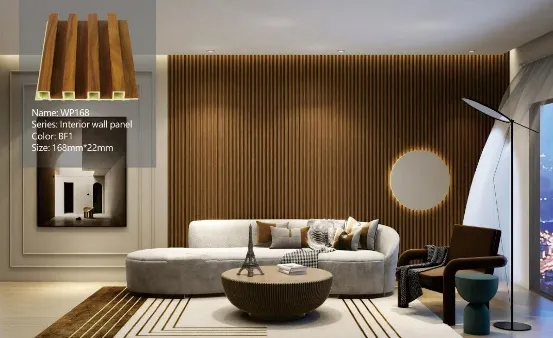
Operating from Chicago, AZEK dominates North America's premium market with products like TimberTech decking. Their approach? Combine high performance with environmental stewardship.
Green Credentials: All products contain 40% post-industrial recycled content. Their manufacturing facilities have achieved zero-waste certification.
Tech Advantage: Advanced capped composite technology outperforms natural wood in harsh weather conditions.
Applications: Outdoor cladding, garden structures, commercial facades
Pros: Exceptional UV resistance, scratch-proof surface technology
Considerations: Limited design options compared to smaller craft manufacturers
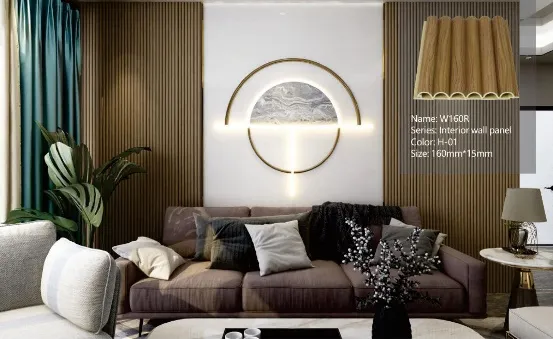
This Belgian innovator is reshaping markets beyond construction with high bio-content composites used in automotive and aviation.
Material Revolution: Develops WPC with 85% bio-content for lightweight vehicle components.
Climate Milestone: CO2-neutral certified production across all facilities.
Applications: Automotive interiors, sustainable furniture, architectural elements
Pros: Significant weight reduction over traditional materials, fire-resistant formulations
Considerations: Specialty applications require custom solutions
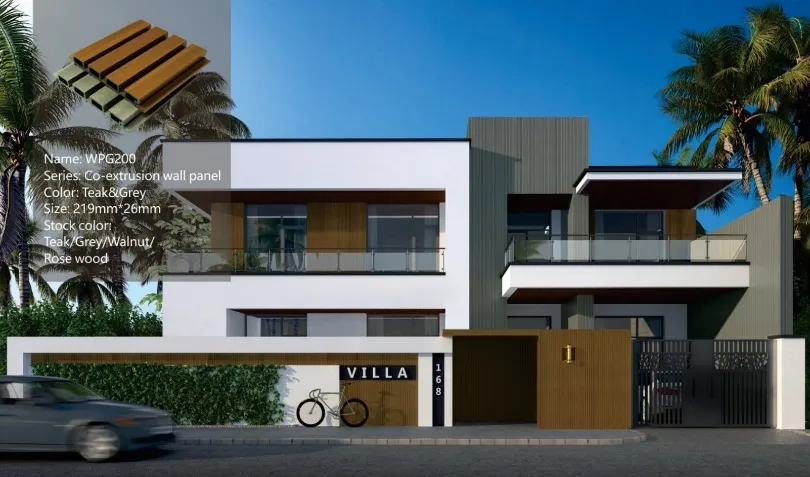
As Asia's manufacturing powerhouse producing over 300,000 tons annually, Kindwood brings sustainable options to emerging markets with remarkable efficiency.
Tech Expertise: Advanced co-extrusion technology ensuring consistent quality and affordability.
Sustainable Practice: 75% recycled material content standard with significant recycling capability.
Applications: Value-focused construction projects, rapid-build installations
Pros: Budget-friendly options without sacrificing performance, extensive regional availability
Considerations: Limited customization potential
They've pioneered hybrid applications where their wpc wood plastic flooring seamlessly integrates with wall systems for unified interior designs.
| Company | Headquarters | Key Innovation | Sustainable Milestone |
|---|---|---|---|
| Trex | Virginia, USA | Shell-core technology | 95% recycled content |
| AZEK | Chicago, USA | Capped composites | Zero-waste facilities |
| Guangzhou Kindwood | Guangzhou, China | High-volume co-extrusion | 75% recycled content |
The trajectory is clear: WPC technology will soon transcend traditional boundaries. Imagine office towers with entire facades built from fire-retardant composites, or hospitals using antimicrobial panels that reduce infection risks.
What's emerging:
The market outlook is equally exciting - projected to double to $11.37B by 2032. This growth means more choices for homeowners, better solutions for architects, and significant steps toward circular economies in construction.
Can WPC panels stand up to extreme weather?
Absolutely! Premium products now come with UV resistance warranties of 15+ years. Many manufacturers subject materials to accelerated weathering tests simulating decades of exposure.
Are there affordable green options?
Yes, manufacturers like Guangzhou Kindwood produce budget-conscious options with high recycled content. Performance hasn't been sacrificed - many budget panels still offer 10-year warranties.
What maintenance do they require?
Simple cleaning with mild soap and water keeps them looking perfect. Most manufacturers specifically recommend avoiding harsh chemicals that could degrade the protective coating.
As we look toward architectural innovation in 2025 and beyond, these manufacturers demonstrate that sustainability and visual appeal aren't mutually exclusive. The best factories combine environmental responsibility with material science excellence, creating products that homeowners cherish and the planet desperately needs.
The shift toward eco-conscious building materials isn't coming - it's already arrived. And these ten industry leaders are proving daily that beautiful spaces can also be responsible spaces . They're not just making panels - they're crafting the building blocks for a greener tomorrow.
Recommend Products











