


Your practical guide to choosing the right components for plumbing success
Why PEX Revolutionized Plumbing
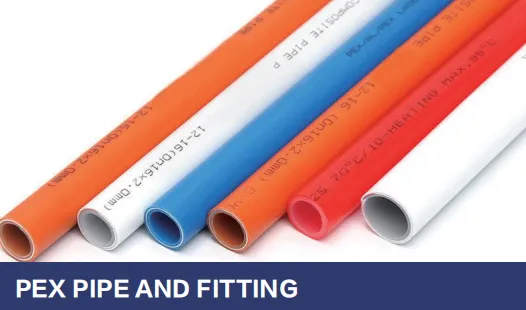
You've probably seen those colorful plastic tubing rolls at your local home improvement store and wondered: "What's all the fuss about PEX?" This flexible piping solution has transformed how professionals and DIY enthusiasts tackle plumbing projects. Unlike old-school copper pipes that need soldering (and a steady hand with a blowtorch!), PEX offers a more forgiving approach that's ideal for retrofits and new installations alike. But not all PEX pipes and fittings are created equal. Understanding these differences helps you avoid leaks and costly mistakes down the road.
Cross-linked polyethylene (PEX) first appeared in Germany back in 1968 and entered the U.S. market in the 1980s primarily for radiant floor heating systems. Today, it dominates over 60% of new construction residential water lines. Its flexibility lets you run a continuous line from your main manifold to fixtures without multiple joints – fewer connection points means fewer potential leak spots. Plus, PEX expands rather than cracking when water freezes, saving you from disastrous pipe bursts during unexpected cold snaps. But here's the catch: different projects call for different PEX solutions.
The Three Core PEX Pipe Types
PEX-A: The Flexible Performer
Think of PEX-A as the most adaptable team player in your plumbing toolkit. Created using a peroxide method, this type has the greatest flexibility – perfect for snaking through tight spaces in walls and floors. Its stretchiness also makes it extremely freeze-resistant since it can expand substantially when water freezes inside the pipes.
Best For: Whole-home plumbing where flexibility matters, cold climates prone to freezing temperatures
Watch Out: More expensive than PEX-B or C, but worth it when avoiding frozen pipe headaches
PEX-B: The Tough Workhorse
Most commonly used in residential plumbing, PEX-B strikes the perfect balance between affordability and reliability. Made through a moisture-cure process, it features excellent chlorine resistance – great for areas where heavily chlorinated water flows through pipes.
Best For: Mainstream plumbing installations, homes with highly chlorinated water
Pro Tip: It has slight "memory" (wants to return to coiled shape) but that won't stop your installation
PEX-C: The Budget Buddy
The most economical option uses an irradiation manufacturing process. It's the stiffest of the three, so it requires more careful handling to avoid kinking. While freeze-resistant like the others, it's the most vulnerable to cracks in extreme cold conditions.
Best For: Short repairs or straight pipe runs where sharp bends aren't needed
Know This: Ideal when you're dealing with limited-space installations with minimal turns
Seven Essential PEX Fitting Types
Crimp Fittings: The Go-To Standard
Using copper rings and a specialized crimping tool, these create reliable connections that hold steady for decades. Just slip the ring over the pipe, insert the fitting, and compress with your crimper.
Why Choose These: Affordable and readily available; works with all PEX tubing types
Remember: You'll need to buy or rent the crimping tool - it's not a one-time purchase
Clamp (Cinch) Fittings: The Visual Verifier
Stainless steel rings secured with a cinching tool offer an advantage: you can actually see if your connection is properly sealed. Their corrosion resistance makes them excellent for humid environments like basements and crawlspaces.
Smart Move For: DIY installations where you want confirmation of proper installation
Pro Insight: Slightly bulkier profile than crimp fittings, but worth it for peace of mind
Push-to-Connect Fittings: The Quick Fixer
When you need speed without tools, these fittings can't be beat. Just push the pipe into the fitting and it locks securely with an internal stainless steel grip ring and O-ring seal.
Life Saver When: You're making emergency repairs or temporary installations
Catch: They cost more per fitting than other types but save you in installation time
Expansion Fittings: The Strong Bond
Using an expander tool to stretch the tubing before inserting the fitting creates the strongest possible connection. When the PEX contracts back to its original size, you get an incredibly secure watertight seal.
Top Pick For: High-pressure systems and commercial applications where leaks can't happen
Heads Up: Requires significant investment in an expansion tool, primarily works with PEX-A
Threaded Fittings: The Hybrid Bridge
Your gateway between PEX systems and existing metal plumbing or fixtures. These have male or female threads that let you connect to valves, appliances, or outdoor spigots without complications.
Essential For: Connecting PEX to water heaters, shower systems, and irrigation systems
Installation Note: Always use thread-seal tape to prevent leaks at connection points
Compression Fittings: The Middle Ground
A brass nut and tapered plastic compression ring work together to squeeze connections securely when tightened. Ideal for homeowners transitioning from old plumbing experience who like metal connections.
Choose When: You're connecting to existing metal plumbing without specialized tools
Critical Tip: Avoid over-tightening which can crack the compression ring
Manifolds: The Traffic Director
Think of this as your plumbing system's command center. A manifold organizes flow from your main water supply to individual fixtures, letting you control or shut off water to specific areas without disrupting the whole house.
Game Changer For: Whole-home renovations where you're creating multiple fixture branches
Added Benefit: Easy future maintenance since you can isolate sections without shutting off main
Choosing Your Perfect Match
When pairing pipes and fittings, follow these practical guidelines:
1. Consider Your PEX Type:
• PEX-A shines with expansion fittings
• PEX-B and C work best with crimp or clamp solutions
• Push-to-connect fittings work with all types when convenience matters
2. Evaluate Your Application:
• High-pressure heating systems demand expansion or threaded fittings
• Behind-the-walls installations favor crimp or clamp for long-term security
• Temporary setups or quick repairs benefit from push-to-connect
3. Factor in Installation Experience:
If you're just getting started with plumbing, push-to-connect fittings offer the easiest learning curve. More experienced DIYers will appreciate the cost savings of crimp or clamp systems, while professionals often choose expansion fittings for their reliability in high-pressure commercial applications.
4. Environmental Considerations:
Remember the golden rule of PEX: UV exposure is its enemy. Never install it outdoors or in sun-exposed locations. In rodent-prone areas, protect your pipes since rodents find plastic plumbing remarkably appealing.
Pro Tips for Success
• When cutting PEX, use dedicated cutters for perfect 90-degree edges - crucial for leak-free connections
• Plan for expansion in long runs during hot weather installations
• Always leave access panels for behind-wall fitting locations
• Keep your color coding straight: Red for hot, blue for cold, white/gray for either
• Purchase 10% extra materials for practice and mistakes - the learning curve is worth it
Even with its forgiveness, PEX demands respect. Professionals consistently warn against shortcutting the pressure testing phase. Always run water through your entire system at full pressure for 24-48 hours, checking every connection point for potential leaks before closing up walls. This one precaution saves thousands in water damage repairs down the road.
Final Thoughts
Mastering these ten pipe and fitting types gives you confidence to handle nearly any residential plumbing project. Modern homeowners appreciate how PEX simplifies repairs while providing long-term durability - when installed correctly. Don't be intimidated by the options; instead, match the pipe and fitting characteristics to your specific application. For most homeowners, PEX-B tubing with crimp or clamp fittings delivers the perfect balance of reliability and affordability.
The journey from confusing plumbing aisles to confident installation just became clearer. Whether you're updating a bathroom or repiping an entire house, you're now equipped to choose the right combination of PEX solutions that will serve your home reliably for decades. Remember that quality tools and patience during installation prove more valuable than any particular pipe or fitting choice.










