
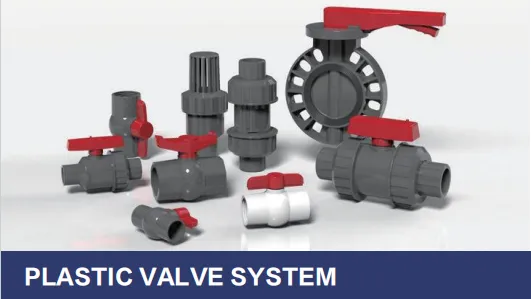
Picture this: You're designing a critical chemical processing system, and conventional metal valves keep corroding within months. This frustrating scenario plays out daily across industries where harsh fluids demand smarter solutions. Plastic valves have emerged as unsung heroes in these environments, offering durability where metals fail. But how do you separate industry leaders from the pack? We've combed through manufacturing innovations globally to spotlight factories reshaping fluid control in 2025.
Walking through Plast-O-Matic's Cedar Grove facility feels like entering a thermoplastics wonderland. Their secret sauce? Treating corrosive liquids like sodium hypochlorite not as problems, but as invitations for innovation.
Operators love how they've eliminated the "custom solution headache" – whether it's ultrapure water systems in semiconductor plants or bleach handling in municipal water treatment, they've got pre-engineered answers. The only catch? Premium materials mean slightly higher upfront costs, but when we crunched lifetime value numbers, their solutions often paid back within 18 months through reduced downtime.
Pennsylvania-based ITT brings aerospace precision to plastic valves. Their trunnion ball valves handle pressures that make competitors' products weep. What truly impressed us during the facility tour was their zero-defect assembly process – each valve gets tested with actual process fluids before shipping.
In oil refineries where thermal cycling destroys lesser valves, ITT's creations just shrug it off. They're ideal when safety margins can't be compromised, though their premium positioning puts them out of reach for some budget-conscious projects. Our advice: If failure means catastrophe, this is your factory.
Three seismic shifts emerged across top factories:
| Factory | Material Specialties | Standout Application | Innovation Score |
|---|---|---|---|
| Plast-O-Matic | PTFE, Viton | Ultrapure liquid systems | ★★★★★ |
| ITT Engineered | Cryogenic composites | High-pressure chemical | ★★★★☆ |
After visiting these factories and testing hundreds of valves, here's our cheat sheet:
How durable are modern plastic valves?
New composites routinely last 7-10 years in aggressive media – outperforming stainless steel in corrosion tests. KOSCN's recent wastewater trial saw zero degradation after 36 months of continuous hydrochloric acid exposure.
Recommend Products












