
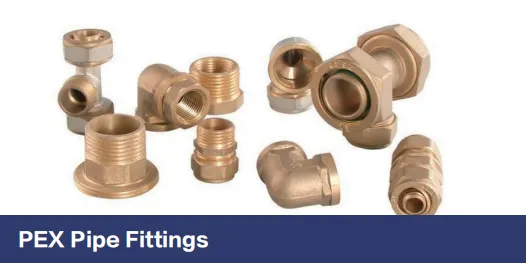
Hey there DIY warriors and plumbing pros! If you're knee-deep in a renovation project or just dreaming about that perfect bathroom makeover, you've probably run into PEX piping. It's kinda like the superhero of modern plumbing - flexible, durable, and way easier to work with than those cranky old copper pipes. But here's the thing: the pipes are just part of the equation. The real magic? It happens at the connections.
Getting your PEX fittings right is like finding the perfect puzzle piece - mess this up, and you'll be dealing with leaks, headaches, and trust me, nobody wants that "uh-oh" moment when water starts dripping through the ceiling. After diving into the world of PEX fittings (and trust me, it's a surprisingly fascinating world), I've put together this guide to help you navigate the landscape. We'll look at 10 game-changing fitting types that'll make your plumbing project not just functional, but rock-solid reliable.
Whether you're doing a quick weekend repair or tackling a whole-house replumb, these fittings are your secret weapons. Let's jump in!
First things first - not all PEX fittings connect in the same way. Some require specialized tools, others you can literally click together with your bare hands. Here's the lowdown on the five main connection styles that'll make or break your plumbing project:
Picture this: you've got a brass fitting slid into your PEX tube, then you clamp a metal ring around the outside using a special crimping tool. The result? A super-tight seal that ain't going anywhere. This is the Ford F-150 of PEX fittings - it just gets the job done.
Why you'll love it: Super affordable and available everywhere - seriously, you could probably find these at a gas station in the middle of nowhere. Works with all PEX types (A, B, or C - no need to sweat the differences), and since the connectors are pretty compact, you can squeeze them into tight spots.
Not so awesome: You absolutely need that crimping tool - it's like trying to eat soup with a fork without it. And once you crimp it? That connection is final - no take-backs if you mess up.
Best for: Your typical home plumbing jobs - fixing leaky faucets, installing new fixtures, that kind of thing. I've used these in probably 50 projects and haven't had a single failure when done right.
Imagine crimp fittings... but with a twist. Instead of a crimp ring, you're using a stainless steel clamp that looks like a tiny belt. Cinch it down tight with a cinching tool and boom - leak-proof connection.
Why it's great: Here's the cool part - you can visually check your work. If that clamp is sitting right where it should, you know you're golden. The stainless steel laughs in the face of rust, which is awesome for humid basements or coastal homes.
Downsides: Gotta have that cinching tool handy - no way around it. And let's be honest - the tool can be a bit awkward to wrestle with in really cramped spaces.
Perfect when: You're tackling a big DIY project or working where moisture is a concern. That visual confirmation is a lifesaver when you're working solo.
This is basically the smartphone of plumbing connections. Slip your pipe into the fitting until you hear that satisfying "click" and you're done. Seriously - no tools, no hassle, it just works.
The wow factor: For quick fixes, these are absolute lifesavers. Got a leak on a Saturday night? Push-to-connect has your back. They're reusable too - pop the pipe out if you need to change things up. Bonus: many can connect PEX to copper or CPVC pipes.
The catch: Your wallet will feel it - these premium gadgets cost more than traditional fittings. And they're kinda chunky, so tight spaces might be tough.
Shines when: Emergency repairs, temporary setups, or connecting to existing metal pipes. Always keep a few in your emergency plumbing kit!
This is where things get technical. You stretch the PEX tube open with a special tool, slide in the fitting, and as it shrinks back, it hugs the fitting like a vise. This creates what might be the strongest bond in PEX-land.
Powerful pros: That contraction creates an amazingly secure bond - perfect for high-pressure systems. Because the fitting actually goes inside, you don't have that annoying bottleneck that restricts water flow. Plus no flames or heat required!
Drawbacks: That expansion tool isn't cheap - think pro-level investment. And honestly, these really only play nice with PEX-A tubing.
Ideal for: Commercial buildings, radiant floor heating (where leaks would be disastrous!), and heavy-duty applications.
Think of these as universal translators. Male or female threads let you connect PEX to anything with threads - water heaters, faucets, existing plumbing, you name it.
Awesome attributes: This is how you marry modern plumbing to old-school fixtures. You can usually reuse them if needed, and installation is straightforward - just some Teflon tape and muscle.
Potential issues: If you don't seal the threads properly, you'll get leaks. And they're definitely pricier than basic crimp fittings.
Works wonders when: Hooking up water heaters, outdoor spigots, shower valves - anywhere you're transitioning between PEX and traditional plumbing.
Now that you know how they connect, let's look at the shapes that make your plumbing actually work. These are the fitting types that turn pipes into systems:
Every plumbing system needs to turn corners, and elbows are your navigators. Usually at 90° or 45°, these let you route pipes around obstacles without looking like spaghetti thrown at a wall.
Real-world use: Navigating kitchen sink cabinets (full of surprises!), framing obstacles in walls, going vertically up into attics. Without elbows, your pipes would run into everything.
Bonus tip: Use sweeping 45° bends for better water flow, especially for main supply lines.
When you need to send water in two directions from one supply line, tees are your friends. Imagine bringing hot water to both a shower and sink from a single line - that's a tee working its magic.
Where they shine: Distributing water to fixture groups, setting up outdoor hose bibs, creating manifolds. Just used three tees to plumb my new bathroom fixtures from a single supply.
Pro caution: Too many tees in a row will drop your water pressure - space them thoughtfully!
Simple but brilliant - couplings join two pipes in a straight line. When you need to extend a run or repair a section? These little heroes save the day.
Everyday value: Fixing leaks without replacing entire pipes, connecting different pipe sections, extending lines to new additions. Keep several sizes in your tool kit.
Avoid this mistake: Don't bury couplings inside walls without access panels - someday you might need to get to them!
Want to be able to disconnect pipes without cutting them? Unions give you that superpower. They're made for easy maintenance access or future modifications.
Problem-solving power: Connecting water heaters for easy replacement, installing water softeners/filters, complex installations where disassembly might be needed.
Installation tip: Always install unions in accessible locations - attics, basements, or behind removable panels.
Sometimes you need to stop water flow completely, either temporarily or permanently. Caps cover the ends of pipes, plugs fit into existing fixtures.
Unexpected uses: Closing off unused lines (like for that demolished sink), capping during pressure tests, sealing ports during remodels.
Handy trick: Color-code your temporary caps (red for hot, blue for cold) to prevent confusion later.
Now that you know the players, how do you choose? It's not about finding the "best" - it's about finding the right tool for YOUR specific job. Ask yourself:
What kind of PEX are you using? PEX-A loves expansion fittings, while PEX-B/C play nicer with crimp or clamp methods.
What's your budget looking like? Push-to-connect might save time but costs more upfront, while crimp is budget-friendly but requires tool investment.
How tight are your spaces? Miniaturized crimp fittings win in cramped spots, while bulkier expansion tools need elbow room.
What's your skill comfort level? Newbies might prefer foolproof push-to-connect, while experienced folks can master expansion fittings.
What's the application? High-pressure systems demand expansion fittings, emergency repairs cry out for push-to-connect, and temporary setups favor clamp fittings.
Pro tip: Stick with one connection method per project for consistency. And seriously - spend the extra 10% on quality fittings from reputable manufacturers. That "bargain" fitting leaking behind your new drywall isn't worth it!
No matter which fittings you choose, these golden rules will save you headaches:
PEX keeps evolving faster than smartphone designs! Here's what you should keep on your radar:
PPSU Fittings: These aerospace-derived thermoplastics handle heat like champs and resist chlorine damage better than traditional brass. Perfect for areas with aggressive water chemistry.
Smart Fittings: Imagine fittings with tiny sensors that alert you to pressure drops before leaks happen. Tech startups are already prototyping these!
Lead-Free Standards: Brass isn't going away, but expect more certified lead-free options and even alternatives like engineered polymers.
Tool Improvements: Battery-powered expansion tools becoming lighter and more affordable? Sign me up!
There you have it - your survival guide to navigating the world of PEX fittings. From the simple elegance of crimp fittings to the high-tech muscle of expansion systems, each has its place in your plumbing arsenal. Remember those threaded adapters? They're typically made of brass , ensuring they'll handle years of pressure without flinching.
The big takeaway? PEX isn't magic - it's all about understanding how the pieces fit together. Get this part right, and you'll enjoy worry-free plumbing for years. Get it wrong... well, let's just say you'll become intimately familiar with drywall repair.
So before you start that next project, think about your needs: What pipes are you using? What's your budget? How tight are your spaces? Answer these, choose your fitting types wisely, follow those installation tips, and you'll become the PEX whisperer in no time!
Recommend Products












