
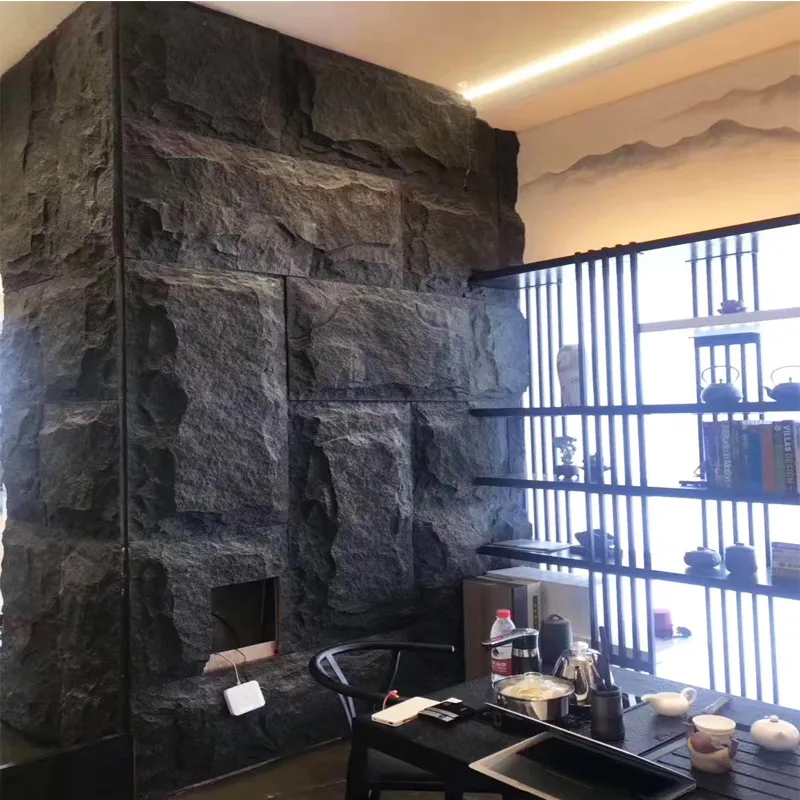
Ever wonder how nature sculpts rocks into those whimsical mushroom shapes? You're about to discover the fascinating world of mushroom stones – Earth's natural sculptures formed through centuries of patient artistry. These geological marvels aren't just pretty formations; they're history books written in stone, each with its own dramatic story of wind, water, and weathering.
In our journey, we'll explore the science behind these gravity-defying wonders and reveal how they've sparked imagination across civilizations. Interestingly, these natural phenomena have even inspired modern architecture, showing up in decorative wall tiles and interior designs that mimic their organic beauty.
Picture walking through Egypt's White Desert at sunset, where limestone giants wear mushroom-shaped crowns that glow amber in the fading light. These aren't just rocks – they're desert sentinels standing against time. The secret? Sandstone caps shielding softer limestone stems below from wind erosion, a protective strategy architects imitate in modern cladding systems today.
What makes these formations extraordinary is how they've guided travelers for generations. Bedouins once navigated by them during sandstorms, whispering tales of protective spirits living inside. The top-heavy shapes appear impossibly balanced, yet remain rooted as firmly as any building foundation.
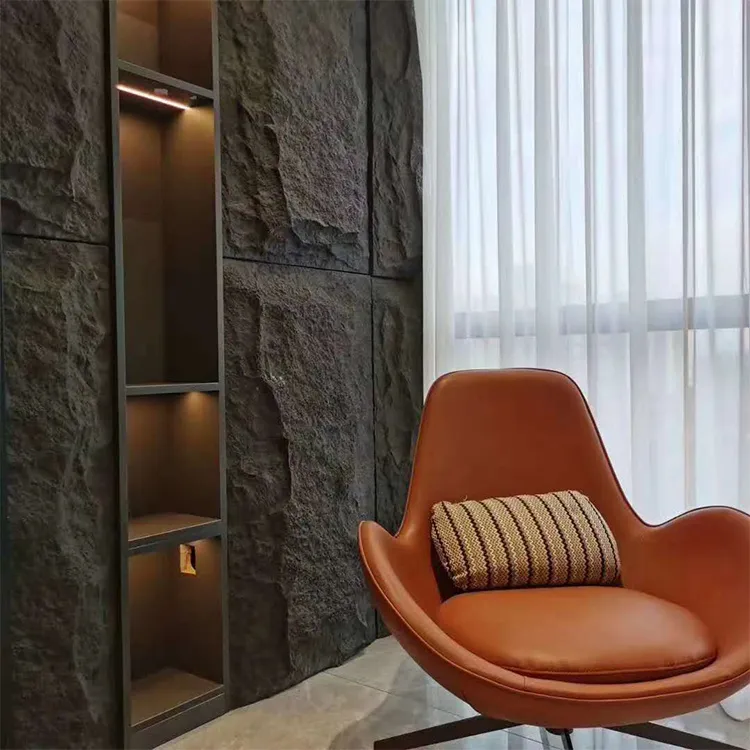
Enter Utah's Goblin Valley and you'll swear you've stepped onto another planet. Thousands of mushroom-shaped hoodoos cluster like a stone mushroom forest frozen mid-growth. The Entrada sandstone here erodes in quirky layers, creating caps that look like silly hats perched on slender necks.
These formations aren't just geological eye candy – they're interactive classrooms. Kids instinctively understand differential erosion when they see "goblins" wearing thick sandstone caps that shielded the softer layers below. Touch the gritty caps and smoother stems, feeling millennia of weathering under your fingertips.
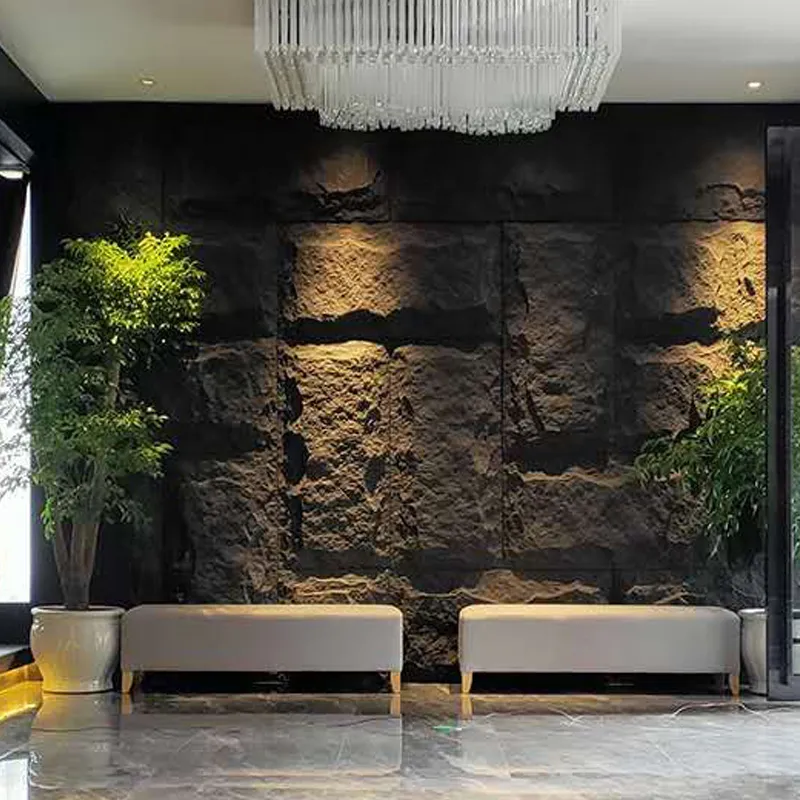
Yehliu's Queen's Head formation is the celebrity of mushroom rocks – her slender neck and regal profile draw Instagram crowds daily. But she's got company: dozens of mushroom stones peppering Taiwan's northern coast where Pacific waves meet porous sedimentary rock.
The magic happens where wave spray kisses rock surfaces. Salt crystals bloom in microscopic cracks, gently prying grains apart like nature's demolition crew. The sturdier rock on top becomes the "mushroom cap" while lower sections dissolve away into those elegant stalks we can't help but photograph.
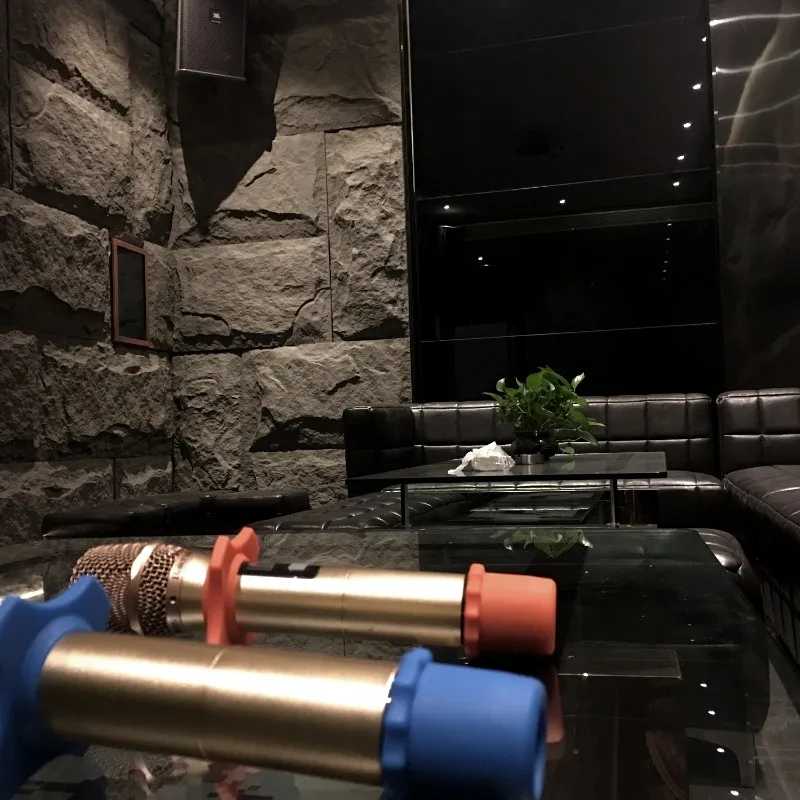
Perched impossibly atop sandstone pillars, the monasteries of Meteora seem divinely suspended. But it's the mushroom-like pedestals themselves that defy belief – composite creations where dark conglomerate caps shelter softer rock beneath. Rainwater slips down the caps' curved edges, shielding stems from erosion like architectural gutters.
Monks knew genius when they saw it, building sacred spaces atop these natural foundations. It's hard not to see divine craftsmanship when light hits the textural contrast between pebble-speckled caps and smoother stems – an effect mimicked in decorative building finishes today.

In Algeria's Sahara, mushroom stones become ancient history teachers. Between their eroded bases, you'll find neolithic art showing animals long vanished from the desert. These rocks witnessed climate change transforming grasslands to dunes, their mushroom shapes developing as sandblasting winds scoured away unprotected lower layers.
What fascinates geologists are the mineral veins threading through them. Iron oxide streaks create colorful bands that seem to flow like water frozen in time. Touching them feels like connecting with Earth's slow heartbeat – each mineral band representing millennia of deposition.
Finnish Lapland hides frost-carved mushrooms where glaciers once sculpted bedrock into surreal formations. Unlike desert cousins shaped by wind, these evolved through freeze-thaw cycles that cracked and cleaved rock layers unevenly. Thicker upper layers resisted the ice's grinding force while weaker lower sections eroded away.
In winter, they transform into snowy toadstools gleaming under the aurora borealis. Locals tell stories of "troll tables" where mythical creatures gather – a reminder that throughout history, humans have projected magic onto these geological marvels that still inspire fantasy today.
In Arizona's Chiricahua Mountains, volcanic fury meets artistic patience. These are rhyolite tuff formations born from ancient super-eruptions, now eroded into delicate "stone mushrooms" with surprisingly large caps perched on improbably slender bases.
Hiking trails wind through formations with personality-packed names like "Big Balanced Rock" – a massive boulder resting on a thin stone column like a marble on a toothpick. The key to their resilience? Trapped gas bubbles created internal honeycombs within the caps, adding strength like steel reinforcement in concrete.
Atlantic storms carved these island guardians into distinctive mushroom shapes with dramatic asymmetry. You'll see west-facing sides sandblasted smooth by prevailing winds, while eastern flanks wear jagged barnacle armor. The stems taper where crashing waves concentrate erosion just above the tide line.
Local lore claims Vikings navigated by their silhouettes – nature's sea stacks guiding sailors before lighthouses existed. Today, their layered sedimentary stratigraphy reveals Earth's history like pages in a stone book, their interleaved colors mimicking modern decorative tiles.
These Yorkshire formations seem to defy physics - giant sandstone caps balanced precariously on pencil-thin stems like colossal stone mushrooms. Millennia of northerly winds sandblasted their mushroom silhouettes into the Millstone Grit bedrock.
Victorian tourists loved crawling under the most dramatic overhangs. Guides spun creative tales explaining the formations, naming them "Druid's Altar" and "Sphinx" to spark imaginations. That storytelling tradition continues today, proving humans will always weave narratives around nature's abstract art.
In Siberian permafrost, mushroom stones grow through freeze-thaw magic. Water seeping into bedrock cracks expands as it freezes – nature's slow jackhammer eventually detaching boulders. When they settle on soil, frost heave pushes stones upward while protected soil beneath forms the "stem" between stone cap and bedrock.
Indigenous peoples considered these formations sacred wayfinders in snow-blanketed landscapes. The dark caps absorb sunlight, creating snow-melt rings around them each spring – nature's season markers trusted long before calendars existed. Today they remain frozen storytellers preserving secrets of climate history beneath their distinctive shapes.
From Egyptian deserts to Siberian tundra, these natural sculptures reveal Earth's slow-motion creativity. Their mushroom shapes captivate us because they look impossibly temporary – yet endure for centuries. Whether created by wind, water, or frost, each formation speaks to nature's patient artistry.
Our ancestors saw divine messages in these stones; today we appreciate them as geological teachers that continue inspiring everything from environmental science to modern architecture. So next time you see those decorative wall tiles mimicking natural patterns, remember – they're continuing a conversation humanity has had with mushroom stones since the dawn of time.
Recommend Products












