
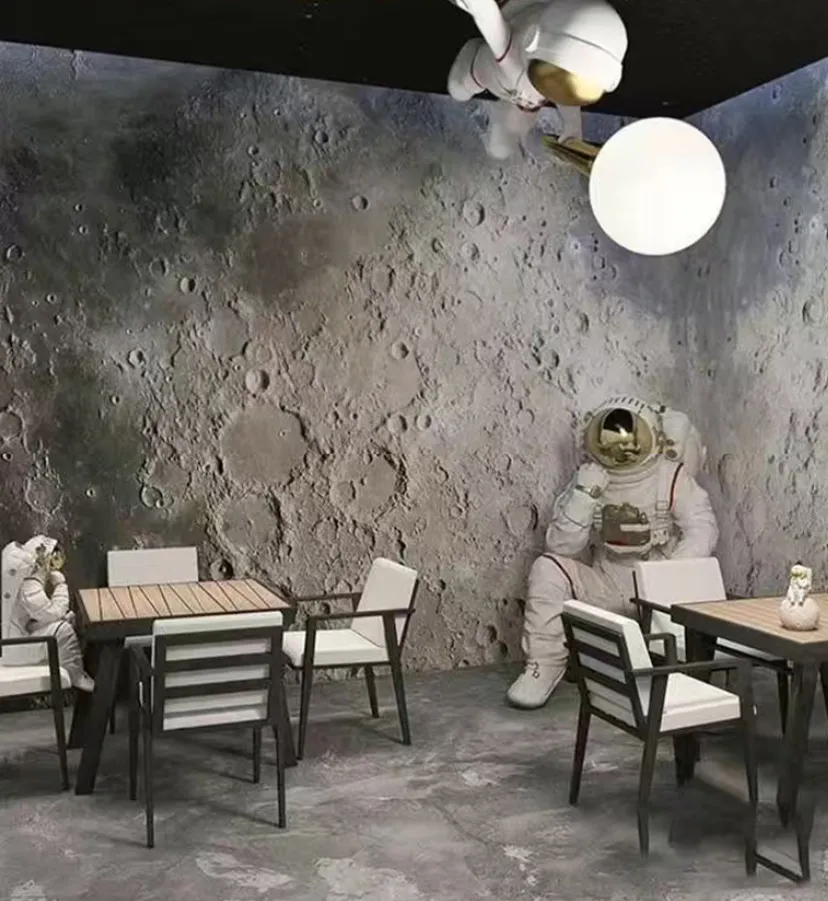
Picture this: you're walking through a futuristic building where walls gleam with cosmic patterns as if cut directly from lunar craters. This isn't sci-fi—it's 2025's reality in architecture, where moon rock composites are revolutionizing construction. What seemed impossible a decade ago is now remaking skylines in Dubai, Shanghai, and Berlin as we speak.
The market for these innovative panels is soaring, projected to hit $3.2 billion this year with a solid 6.3% growth trajectory through 2030. Why the buzz? Blame it on tougher sustainability mandates and architects demanding materials that tell stories. Moon rock composites deliver both eco-credentials and jaw-dropping aesthetics—like having a piece of the cosmos right in corporate lobbies and luxury residences.
Headquarters: Reykjavik, Iceland
Signature Offering: Volcanic-infused panels with self-cleaning surfaces
Headquarters: Vancouver, Canada
Signature Offering: Light-bending panels with dynamic surface patterns
Headquarters: Munich, Germany
Signature Offering: Acoustic moonstone panels with thermal regulation
Headquarters: Singapore
Signature Offering: Fiber-reinforced lunar composites for seismic zones
Headquarters: Cape Town, South Africa
Signature Offering: Africa-tailored desert-adaptive panels
Headquarters: Portland, Oregon, USA
Signature Offering: Rapid-deploy panels for disaster housing
Headquarters: Shenzhen, China
Signature Offering: Mass-customization platform for architects
Headquarters: Milan, Italy
Signature Offering: Art-grade installations with augmented reality layers
Headquarters: Gothenburg, Sweden
Signature Offering: Carbon-negative panels with CO2 mineralization
Headquarters: Kyoto, Japan
Signature Offering: Self-repairing panels with lunar-inspired chemistry
These factories aren't just making wall coverings—they're crafting tomorrow's architectural legacy. Remember touring those sterile glass towers feeling cold despite the fancy marble? Moon rock composites solve that. They give buildings warmth and character while actually improving our environment.
Architect Eva Chen, who used Orion's ecological building wall panels in Singapore's landmark climate center, put it perfectly: "Finally - materials that combat pollution while sparking wonder. Visitors can't stop touching these panels—they become experience anchors." That connection makes sustainability human rather than just a checklist item.
Embedded nano-sensors will monitor structural health and air quality, alerting building managers about maintenance needs before issues become visible.
Panels incorporating engineered microbes will absorb nitrogen oxides and regenerate surface finishes using rainwater—buildings as artificial ecosystems.
Companies like Apollo already prototype composites from decommissioned satellites—closing the orbital material loop while creating cosmic textures.
The real magic happens when these walls stop being just surfaces and become functional participants in our ecosystems. Imagine arriving at work where your office walls greet you with a soft glow while actively scrubbing toxins from the air. That future's not decades away—these factories are making it happen today.
Recommend Products












