
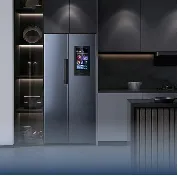
You know that moment when you open a refrigerator and think: "This feels too generic for my space"? That’s where custom refrigerators come in – they're the unsung heroes of functional design. Unlike their off-the-shelf cousins, these units adapt to integrated wall panel configurations and specialized kitchen layouts while packing clever engineering under the hood.
King's Lynn, UK | 501-1,000 employees | Est. 1968
Walking into a professional kitchen in Europe? Odds are you'll spot Foster's sleek stainless-steel units humming away. What makes them stand out is how they approach customization – it's not just size adjustments but full ecosystem design. Their engineers will tweak everything from humidity-controlled veggie drawers to blast-chilled pastry compartments. I've seen their team retrofit units into century-old pubs where regular fridges wouldn't fit.
What hits the mark:
- Hyper-efficient temperature control that doesn't spike energy bills
- Modular components that let you swap parts as needs evolve
- Handles high-traffic commercial use without breaking a sweat
⚠️ Watch points:
- Lead times stretch when specs get complex
- Not the cheapest upfront investment
O’Fallon, Missouri, USA | 1,001-5,000 employees
True lives up to its name – when they say "commercial-grade," they mean restaurant-tough reliability. But don't peg them as just heavy-duty players. Their residential line merges pro performance with serious style. I recently saw a custom panel-ready model that disappeared into walnut cabinetry so seamlessly you'd swear it was integrated wall panel magic. Their secret? Standardized cores with endlessly customizable exteriors.
What hits the mark:
- Blisteringly fast recovery after door openings
- Whisper-quiet operation despite pro compressors
- Will customize down to hinge direction and handle materials
⚠️ Watch points:
- Service networks sparser outside major cities
- Fewer color options than European brands
King's Lynn, UK | 251-500 employees | Est. 1980
While Williams flies under the radar compared to flashier brands, chefs quietly adore them. Why? They treat refrigeration like haute couture. Need a fridge that holds exact 40°F while defrosting daily? Done. How about dual evaporators for your kombucha fermentation station? Easy. Their genius move: adaptable steel interiors that can be reconfigured as menus change without replacing the whole unit.
What hits the mark:
- Unparalleled flexibility in zone configuration
- Eco-friendly CO2 refrigeration as standard
- Handles temperature shocks from busy service
⚠️ Watch points:
- Smaller global service footprint
- Minimal residential crossover
Global | Multi-brand portfolio
Most don't realize Whirlpool offers bespoke solutions behind their mass-market facade. Want a panel-ready French door fridge with custom compartment heights? They'll build it. Crave a farmhouse style with modern cooling tech? Done. Their secret weapon: leveraging huge manufacturing capacity to make customization surprisingly affordable. It's like getting tailored suiting at off-the-rack pricing.
What hits the mark:
- Unbeatable parts availability globally
- Turn custom configurations around quickly
- Hybrid models bridge residential/commercial gaps
⚠️ Watch points:
- Limited extreme-performance options
- Less design daring than specialty builders
Louisville, Kentucky, USA | American powerhouse
GE Appliances gets custom refrigeration right by focusing on real-life use. Their designer series goes beyond stainless finishes to tackle actual storage pain points. Ever fought with awkwardly shaped produce? Their customizable bins solve that. Hate frost build-up? Their intelligent sensors anticipate door openings. It's thoughtful engineering wrapped in familiar American reliability.
What hits the mark:
- Smart home integration actually works
- Custom panel kits fit cabinet styles flawlessly
- Built-in models with clever condensation management
⚠️ Watch points:
- Limited pro-style refrigeration
- Customizations mainly aesthetic rather than technical
Lucena, Spain | 501-1,000 employees | Est. 1986
Infrico makes refrigeration feel like theater. Their illuminated displays turn food storage into visual merchandising. But the real magic hides behind the glass – multi-zone chillers can maintain fish at 32°F while keeping charcuterie at 48°F in the same cabinet. For bistros with tight space, they'll build vertical units that stack cooling environments without wasting an inch.
What hits the mark:
- Glass that stays crystal clear without heaters
- LED systems that won't bleach your basil
- Custom layouts for awkward restaurant corners
⚠️ Watch points:
- Higher energy drain than standard models
- Glass requires frequent polishing
Mumbai, India | 501-1,000 employees
Western dominates tropical markets for good reason – their units laugh at heat and humidity that cripple standard fridges. How? Redundant compressors and intelligent ventilation that adapts to ambient conditions. When a Mumbai bakery needed custom cooling for chocolate work in a 100°F kitchen, Western built climate chambers that maintained 60°F consistency against all odds.
What hits the mark:
- Engineered for extreme environments
- Modular cold rooms ship pre-assembled
- Handles voltage swings gracefully
⚠️ Watch points:
- Less refinement in door seals
- Limited temperature zoning capabilities
Massachusetts, USA | Boutique commercial specialist
HABCO's genius lies in their Cassette® system – think refrigeration as building blocks. Need to reconfigure your gourmet market layout? Just snap in new components. Their custom glass-front merchandisers blend retail cool with engineering smarts. I watched an artisanal cheesemonger retrofit humidity controls mid-season without downtime. That's modularity done right.
What hits the mark:
- Field-swappable parts reduce downtime
- Low-E glass cuts energy bills significantly
- Works beautifully with existing retail buildouts
⚠️ Watch points:
- Higher initial outlay
- Limited home kitchen options
Gurugram, India | Cold storage pioneers
Arctic tackles what others avoid – massive industrial cooling with bespoke precision. When a pharmaceutical company needed -40°F storage in Delhi's sweltering heat, Arctic engineered it using cascade systems that stack cooling stages. For smaller needs, they'll shrink industrial tech into compact units perfect for florists needing delicate 34°F zones or bakeries demanding precise proofing drawers.
What hits the mark:
- Unmatched extreme-temperature performance
- Multi-stage cooling prevents frost buildup
- Handles power fluctuations without blinking
⚠️ Watch points:
- Less focus on aesthetics
- Service requires specialized technicians
Foshan, China | 501-1,000 employees | Est. 1998
PROCOOL nails affordable customization without cutting corners. Their modular designs let cafes and boutique stores create refrigeration walls piece by piece. The branding integration is slick – think seamless logo etching right into glass or stainless panels that match existing fixtures. While they'll build anything, they shine at compact solutions for urban spaces where every cubic inch counts.
What hits the mark:
- Custom branding looks premium, not tacky
- Space-saving corner units available
- Surprising reliability at competitive prices
⚠️ Watch points:
- Lead times can balloon during peak seasons
- Documentation occasionally gets lost in translation
The "why" goes deeper than aesthetics. Standard refrigerators waste energy cooling empty air while cramming awkward items. Custom units match your actual usage patterns:
Plus, the longevity payoff is real. Unlike mass-produced models where failures cascade, custom units simplify repairs. When Foster builds a custom compartment, they design it as a modular cell that can be replaced without dismantling the entire cooling system.
Before reaching out to manufacturers, get crystal clear on:
Don't gloss over climate considerations. A refrigerator built for Scandinavian winters will struggle in Singapore's humidity without custom modifications to compressor cycles and door seals.
You'll invest $2,000 to $10,000 beyond premium retail units. But view it through a cost-per-use lens: A perfectly configured fridge reduces spoilage by 20-40% and can last 20+ years with proper care. That upfront cost amortizes into pennies per day for flawless cooling.
Standard customization takes 6-8 weeks, but complex builds can run 16+ weeks. Western Refrigeration's tropicalized units require 3-stage testing that adds weeks but ensures reliability. Always factor in shipping time – specialized freight needs careful routing.
Limited interior modularity exists, but serious modifications require engineered solutions from specialists. Heatcraft can sometimes retrofit multi-evaporator systems, but structural changes usually mean ordering new. If flexibility matters, choose platforms like HABCO built for ongoing reconfiguration.
Premium custom units deliver 15-25 years versus 7-12 for mass-market models. Foster Refrigerator has units in UK pubs still humming after 30+ years. Why? Oversized compressors running at lower stress levels and commercial-grade components throughout.
Absolutely – Infrico even offers IoT interfaces tracking compressor health pre-failure. But prioritize fundamentals first: Perfect temperature stability matters more than Alexa compatibility. Then layer on monitoring systems that alert you to door-open incidents or temperature drifts.
Expect lower maintenance but critical timing. True Manufacturing's modular systems simplify compressor swaps, but ignore coil cleaning at your peril. Tropical units need condenser vacuuming monthly. Budget for professional servicing every 5000 operating hours.
Commercial-grade builders typically offer 3-5 year full coverage versus 1 year for residential units. Foster's 5-year compressor guarantee reflects their confidence. But scrutinize what "customization" voids – Whirlpool might limit coverage if you've altered factory refrigerant routing.
Refrigeration is exiting its cookie-cutter era. What's emerging? Units integrated with adjacent systems, predictive maintenance alerting before failures, and hyper-specialized zones catering to micro-temperatures needed by molecular gastronomy or pharmaceutical storage. As Arctic Refrigeration showed with their pharmaceutical-grade designs, custom cooling now addresses needs we haven't even imagined yet. But the core remains unchanged: brilliant engineering solving real problems with elegant coolness.
Recommend Products












