
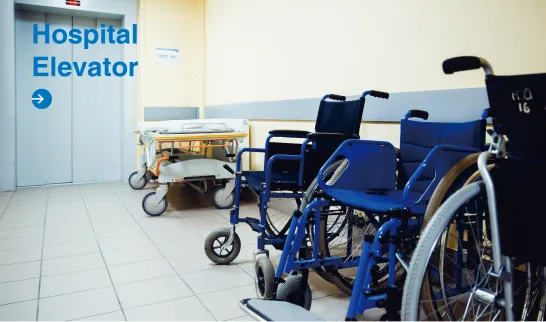
Ever feel like your hospital runs like a well-oiled machine but hits a bump when moving patients between floors? That’s where custom hospital elevators come in. Forget clunky, noisy machines – today’s models are lifesaving smart systems prioritizing speed, safety, and silent operation. With an aging global population and healthcare facilities expanding vertically, hospitals need elevators that do more than just move people. They’re critical infrastructure pieces ensuring timely care during emergencies and seamless daily operations.
Think of Otis as the seasoned pro that's seen it all. Founded way back in 1853, this Connecticut-based giant practically invented elevator safety with their revolutionary safety brake system. But today? They’re redefining what hospital elevators can do.
Their Gen2® elevators are game-changers. Imagine whisper-quiet movement thanks to polyurethane-coated steel belts instead of clunky cables – patients won’t even know they’re moving. When seconds count during code blues, Otis’s ReGen® drive captures energy during braking and pumps it back into the building’s grid, ensuring non-stop operation even during power hiccups.
Hospitals love their HVD (Hospital Vertical Dispatch) system. It’s like air traffic control for elevators: if a surgeon needs a blood delivery STAT or an ICU bed transport is en route, it clears paths instantly. Real game-time advantage.
Finland’s KONE brings that crisp Nordic design sensibility where form perfectly meets function. But it’s their MONOSPACE® tech that wows hospital administrators. A machine-room-less elevator? That means more usable square footage per floor – music to any CFO’s ears.
In cramped hospital corridors, their UltraRope® system shines. By using carbon fiber ropes instead of heavy steel, they slash energy use by 40% and extend the lifecycle significantly – crucial for budget-strapped healthcare systems.
The magic’s in the details: antimicrobial copper button panels, hands-free voice controls (“Lobby, please”), and sensors triggering ultraviolet sanitation between rides. No more worrying about germ transfer via elevator buttons.
Schindler’s PORT system feels like walking into hospital elevators from the future. Before you even step inside, you input your destination at touchscreen kiosks. The AI groups people heading to similar areas – orthopedics with radiology, burn unit with dermatology – dramatically cutting wait times.
Their MRL (Machine Room-Less) solutions fit seamlessly into renovation projects where space is tight. But the real hero? Schindler Ahead™ predictive maintenance. Using IoT sensors, they catch problems before they happen – say goodbye to “elevator out of service” signs during shift changes.
With roots stretching back to 1834, ThyssenKrupp brings Teutonic precision to hospital vertical transport. Their TWIN elevator system is pure genius: two independent cabins running in one shaft. Critical care equipment heading up? Regular visitors going down? They never cross paths, avoiding bottlenecks.
Their HOMAG® hospital doors open wider than standard models – crucial for moving oversized equipment and beds without scraping. Emergency override functions let staff instantly clear routes during codes. And compliance nerds love their meticulous adherence to ASME A17.1 healthcare standards.
Japanese innovation meets hospital protocols flawlessly here. Mitsubishi’s ELENESSA elevators are so quiet you'll hear a pin drop – no rattling doors waking sleeping patients at 2 AM.
Their earthquake-response tech? Brilliant. Sensors detect seismic waves milliseconds before impact and automatically move to nearest floors, opening doors so people never get trapped. In disaster-prone zones, this literally saves lives.
Hygiene-wise, Mitsubishi uses photocatalytic-coated steel that destroys bacteria under UV lighting – elevator surfaces stay clean even between wipe-downs. Smart thinking for MRSA hotspots.
Toshiba’s SPACEL-III systems dominate high-traffic hospitals. Imagine regenerative drives cutting energy use by 50% while AI destination dispatch keeps staff flowing during shift floods. Their hospital-specific cabins feature reinforced walls using advanced medical fire wall board – offering extra protection against smoke migration during fire events.
For children’s hospitals, they create immersive themed cabins turning scary rides into adventures – space rockets for oncology, jungle safaris for pediatrics. That’s emotional intelligence engineered into vertical transport.
Fujitec’s DOAS (Destination Oriented Allocation System) anticipates hospital traffic like a chess master. Their group learning algorithms optimize pathways daily, achieving unheard-of <5 second average waits during peak ER hours.
What nurses appreciate? Low-profile thresholds reducing tripping risks. What engineers love? Remote diagnostics catching bearing wear early via sound pattern recognition. Practical solutions that simply work.
Hyundai’s LUXEN hospital elevators blend hotel-like comfort with hardcore reliability. Air purification systems built into cabin ceilings scrub airborne pathogens constantly. Glass panels can have antimicrobial nano-coatings stopping superbugs in their tracks.
Their hydraulic models run smoothly at temperatures as low as -22°F – ideal for polar region facilities. That stubborn dependability hospitals need 24/7/365.
Hitachi dominates Asian healthcare markets through obsessive reliability standards. Their hospital elevators boast patented roller guides eliminating vibrations – critical for transporting sensitive imaging equipment without calibration issues.
Special needs hospitals adore their braille/tactile interfaces and 0.5-inch gap thresholds. It’s accessibility engineered beautifully so no patient feels marginalized.
Canny proves quality isn't geographically constrained. Their gearless traction machines cut energy consumption by 40% while extending maintenance intervals dramatically – both key for operating room budgets.
Smartphone fleet management lets maintenance teams oversee entire hospital systems remotely. And with AI optimizing traffic flows, Canny helps big Chinese hospitals handle 20,000+ daily rides without bottlenecking.
Today’s custom hospital elevators transcend mere transportation. They're intelligent care facilitators blending:
Leading companies like Otis and KONE innovate relentlessly, ensuring elevators become seamless extensions of quality patient care rather than functional hurdles. As hospitals stretch taller with aging populations, these intelligent vertical solutions will only grow more crucial in delivering efficient, compassionate healthcare.
The days of rumbling mechanical elevators are over. Welcome to the era where hospital elevators think, protect, and heal alongside medical teams.
Recommend Products












