
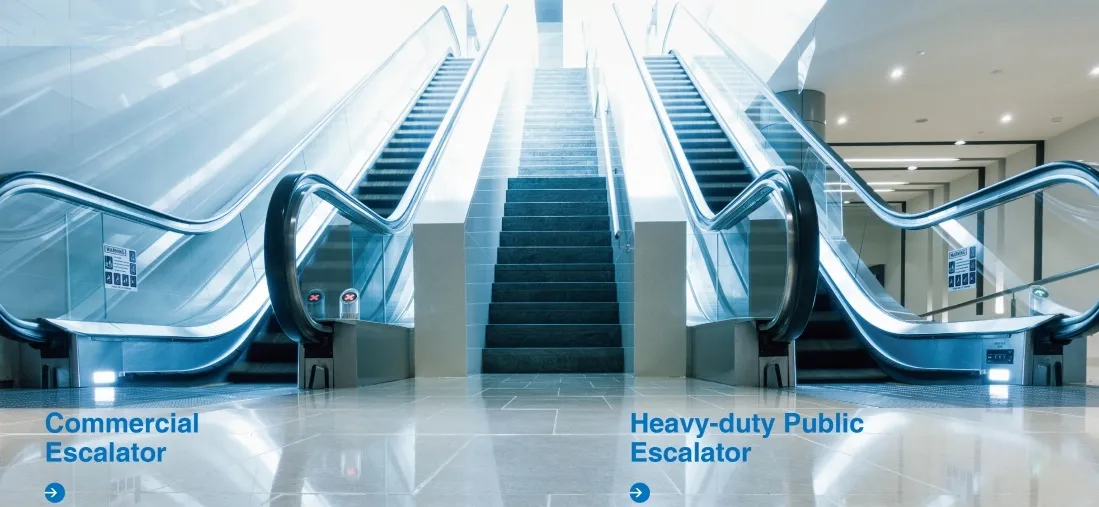
Hold onto the handrail—we’re diving into the giants moving the world, literally! By 2025, escalators won’t just be steps; they’ll be smart, sustainable marvels. Think self-charging drives and AI that predict hiccups before they happen. This ranking unpacks who’s leading the climb.
Urban jungles are exploding upward. Cities like Tokyo and Dubai don’t just build skyscrapers—they engineer vertical highways. Escalators, once simple conveniences, now drive shopping malls, airports, and hospitals. Tech’s the game-changer: IoT sensors whisper maintenance alerts, while carbon footprints shrink thanks to regenerative drives. Oh, and after COVID? Touchless controls are the new norm.
Leading firms aren’t just selling machines—they’re evolving into one-stop architectural solution providers , blending escalators with building-wide mobility ecosystems.
HQ: Farmington, Connecticut, USA | Founded: 1853
Otis is the godfather of vertical transport. Picture this: 2 million+ units humming worldwide, from Manhattan skyscrapers to Paris metros. Their Gen2 system? A genius—70% smaller motors and energy sips 75% less power. ReGen Drive tech even pushes unused energy back into buildings. Forget mechanics; it’s green wizardry.
HQ: Essen, Germany | Founded: 1999
Germany’s engineering titan handles skyscraper beasts with ease. Their TWIN system runs two cabins in one shaft—space-saving gold. Need rugged? The Victoria escalator scales 50-meter drops, laughing through blizzards. For malls craving chic, Velino escalators blend glass balustrades with whisper-quiet gears.
HQ: Ebikon, Switzerland | Founded: 1874
Schindler’s secret sauce: PORT technology. Tap your floor on a screen, and AI groups riders for lightning-fast trips. Their 9500AE moving walkways? Silent heroes in airports like Changi. By 2025, they’ll cross 1 million units installed. Talk about scale!
HQ: Espoo, Finland | Founded: 1910
KONE masters ultra-compact designs. The MonoSpace elevator ditches clunky engine rooms, fitting motors inside shafts. EcoDisc tech trims energy by 30%—carbon-slashing ninja moves. Crowd crush? Their destination dispatch learns traffic rhythms, shuffling people like a symphony conductor.
HQ: Hikone, Japan | Founded: 1948
Japan’s quiet innovator nails precision. Their DOAS system scans destinations before you step in, zapping wait times. Hospitals love ’em—microprocessor brains minimize jolts for stretchers. From bullet-train stations to Osaka boutiques, Fujitec means reliability.
HQ: Chungju, South Korea | Founded: 1984
Hyundai’s LUXEN series races up South Korea’s Lotte Tower at 60m/min. Glass-encased elevators aren’t just transport—they’re Instagram bait. For sustainability nerds: their ReX regenerative units recycle braking energy. Bonus? Over 1,400 global service hubs fix glitches faster than you say "escalator".
HQ: Tokyo, Japan | Founded: 1921
Speed demons, meet Mitsubishi. Their high-rises in Shanghai Tower hit 1,080m/min—ear-popping stuff. India’s luxury hotels swear by their NEXIEZ-S gearless units. IoT sensors predict wear-and-tear, cutting downtime 40%. In 2025, they’re betting big on solar-integrated escalators.
HQ: Tokyo, Japan | Founded: 1988
Hitachi’s claim? Safety meets silence. VVVF drive escalators glide at 0.5m/s—no clanks, no jerks. Smart sensors spot loose bolts before they rattle. Bonus: their 35˚ inclined models squeeze into tight spaces. Hospitals pick ’em to ferry beds without jostling patients.
HQ: Tokyo, Japan | Founded: 1966
Toshiba’s SPACEL-III elevators recycle 50% of braking energy—cash savings meet eco-cred. Fire-rated doors ace safety tests, while acoustic panels hush noisy malls. Their secret? 70% lighter traction machines. Even Disney trusts them for smooth park rides.
HQ: Hernani, Spain | Founded: 1964
Europe’s dark horse champions sustainability. Orona e-Connect spots glitches via real-time data. In seismic zones, their shock absorbers lock escalators mid-quake. Investing 3% of revenue in R&D, they’re pioneering carbon-neutral models. Small team, massive ambition.
Tomorrow’s escalators are AI-powered traffic cops. Imagine predictive analytics rerouting crowds during rush hour. Solar panels on escalator canopies? Already in testing. Materials will lighten—carbon fiber steps could cut weights 40%. And yes, touchless journeys from street to penthouse.
These factories aren’t just building steps—they’re shaping skylines. As urbanization hits 70% by 2050, efficiency isn’t optional; it’s survival. Forget "moving walkways." Think "smart mobility veins." The climb? It’s just beginning.
Recommend Products












