

Ready to transform your home's exterior? Discover nature's most stunning stone masterpieces!
Picture this: You're driving through New England when suddenly a centuries-old manor appears, wrapped in hues of warm caramel, toasted almond, and soft taupe. That's the magic of Brookdale Blend. Unlike typical stones, this variety naturally varies from plank to plank, creating a visual rhythm that feels alive.
Perfect for craftsmanship-focused projects , Brookdale doesn't just cover walls – it tells stories. The slightly rugged texture catches light differently throughout the day, giving your home a dynamic personality. Homeowners love how it transitions seamlessly from traditional Tudor revivals to contemporary farmhouse designs. "It's like having four seasons in one stone," as one architect described.
Practical tip: Use darker mortar for dramatic shadow lines that emphasize the stone's organic contours. Avoid highly reflective sealants – the beauty lies in its earthy, slightly porous surface.

Ever touched a glacier-smoothed river stone? That's Eagle River's spirit captured in stone. With deep charcoal bases swirling into mineral-blue veins, each piece resembles water-worn treasures. Unlike manufactured products, these stones cool down naturally on summer nights, creating microclimates around your foundation.
Historians note its resemblance to Scottish coastal castles – no surprise it's trending in coastal homes from Maine to California. When the fog rolls in, these stones glisten like wet seal skin. Pro installers recommend pairing them with reclaimed timber for authentic lodge vibes.
Fun fact: Eagle River develops a beautiful silvery patina after 3-5 years, like well-loved cast iron cookware. Don't clean too vigorously – let nature write its story!
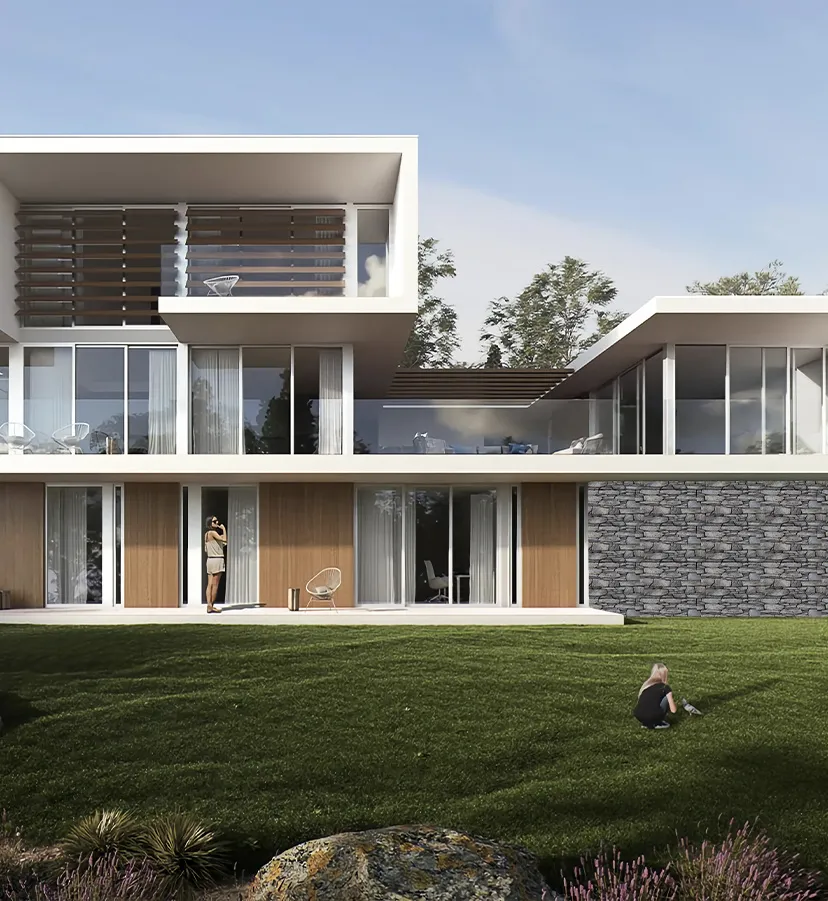
If stones could blush, Leelanau would be perpetually flushed. Its sunset palette – think wild salmon, terracotta, and apricot – warms north-facing walls like permanent golden hour. Weathered edges mimic centuries of exposure, lending instant heritage to new construction.
Landscape designers often echo these tones in flowering perennials like coreopsis and blanket flowers. The magic happens when autumn leaves swirl against these walls – your house becomes part of the seasonal show. Unlike synthetic pigments, these iron-oxide colors deepen rather than fade.
Heads-up: Birds sometimes mistake the pink-hued stones for granite outcroppings. Expect occasional feathery visitors!
Like crushed diamonds in charcoal velvet, Mackinaw's crystalline sparkle catches light unlike any quartzite. These stones contain actual mica flecks that glitter after rains. Northern builders favor them for snowbelt regions – the dark base hides road salt residue while creating stunning winter contrasts.
Modernist architects use Mackinaw as oversized feature panels, letting the stone's natural drama replace artwork. At twilight, exterior lighting transforms these walls into constellations. One homeowner confessed: "I sometimes sit on my porch just watching headlights dance across the facets."
Care note: Occasional gentle washing prevents dust buildup in the crystalline crevices. Avoid acidic cleaners that might dull the shine.
Imagine skipping stones across a misty lake – that's Turtle Creek's energy transferred to architecture. Oval-shaped river rocks nestle together like dragon scales, creating undulating textures that beg to be touched. Installers call it "forgiving stone" – slight irregularities add to its handcrafted charm.
Perfect for curved walls or rounded columns where square-cut stones would feel stiff. Landscape pros tuck creeping thyme between stones, softening transitions into gardens. The smooth, water-worn surfaces feel surprisingly warm underfoot – a sensory bonus for window seats or courtyard steps.
Hot tip: Pair with copper flashing and gutters – the developing patina creates a gorgeous color conversation.
Forest Shadow breathes poetry into buildings. With fossilized fern patterns and smoky blue-gray tones, it's like having prehistoric forests etched on your walls. This isn't uniform tile – each stone shows unique organic impressions from when dinosaurs roamed.
Historic district commissions adore it for sympathetic restorations – the stone's gentle irregularities mirror pre-industrial craftsmanship. Contemporary designers layer it with Corten steel for industrial-natural hybrids. Unlike manufactured stone, these fossils don't fade – they become more pronounced with weathering.
Care secret: Let rain do most cleaning. Power washing may dislodge delicate fossil details.
Civil War forts knew it – some things withstand centuries. Highland Granite absorbs vibrations from nearby roads while rejecting weather extremes. Its speckled charcoal and rust grains form naturally camo-like patterns that make structures feel organically rooted.
Modern applications include "eternal hearths" where direct flames lick the stone. Garden designers use off-cuts as stepping stones that last decades. Unlike concrete reproductions, each split face reveals unique crystalline patterns like geological snowflakes.
Builder tip: Traditional feather-and-wedge splitting produces the most authentic texture. Ask for hand-split faces.
Waves frozen in stone – that's Cliffside Sandstone's liquid appeal. Rippled surfaces catch raking light dramatically, while warm honey tones create instant sunshine on cloudy days. Unlike manufactured veneers, these are sawn from massive natural beds maintaining structural integrity.
Desert architects use its thermal properties passively – staying cool by day while radiating absorbed warmth at night. Modernists exploit its horizontal striations for mid-century ranch updates. "It's tranquility carved from earth," remarked a Zen garden designer.
Color note: Natural desert varnish develops over time, adding rich manganese streaks. Embrace the evolution!
Like frozen cream swirling in espresso – Moorish Marble brings Italian luxury to Castle Rock adaptations. Intricate veining patterns resemble ancient maps when viewed closely. Cool to touch in summer yet surprisingly insulating in cold months due to its microcrystalline structure.
Traditionalists replicate Mediterranean courtyards with carved fountain accents. Contemporary chefs install it as outdoor kitchen backsplashes that withstand grease splatters. "The stone polishes beautifully when needed," notes a restoration mason, "but I love its matte patina after decades outdoors."
Warning: This porous beauty requires specialized sealants. Ask about outdoor-grade impregnators.
Slate Sentinel transforms weather from foe to artistic collaborator. Rain-darkened surfaces turn buildings into moody monoliths that lighten slowly between showers. Its distinctive cleavage planes create layered looks unlike any manufactured substitute.
Green builders treasure its low carbon footprint – quarried locally from abundant deposits. Modern applications include rainwater collection channels and herb garden accents. "This slate remembers every storm," observes a Vermont homeowner. "Like tree rings in mineral form."
Fun fact: Local craftspeople transform off-cuts into custom house number plaques. Ask about remnant programs.
Finding your soul-stone involves more than Pinterest boards. Consider these living-with-stone realities:
Climate chemistry: Salt-air environments demand stones like Eagle River. Freeze-thaw cycles? Prioritize dense, non-porous options. That dreamy porous limestone might crumble faster than cookies in harsh winters.
Lighting relationships: North-facing stones need internal sparkle like Mackinaw's crystals to avoid feeling gloomy. South walls? Choose reflective stones sparingly unless you want glare issues.
Maintenance truths: That mossy fairytale look requires actual moss management. Expect bi-annual cleanings for pollen-prone areas. Yet many stones like Turtle Creek naturally stay cleaner with rain assistance.
Future transformations: Unlike painted surfaces, stone evolves with time. Plan for patina shifts – that pink Leelanau stone will mellow into terra cotta richness after five sunny summers.
Castle Rock shrugs off hurricanes and hailstorms that shred siding. Fortified homes sometimes get insurance discounts.
Four-inch stone walls provide R-10 insulation naturally while absorbing daytime heat for nighttime release – ancient thermal banking.
Unlike vinyl that melts or wood that fuels fires, stone creates defensible space, potentially saving homes during wildfires.
Living near highways? Stone cuts traffic noise by 40% compared to conventional walls. Peace is priceless.
Butterflies sun on warm stones, birds nest in crevices, and harmless lizards patrol mortar joints – mini ecosystems emerge.
While cheaper materials need replacement every 15-30 years, Castle Rock endures generations – the ultimate sustainable choice.
Beyond physical benefits, stone nurtures wellbeing. Stanford studies show natural material exposure reduces stress hormones. Your home literally becomes grounding therapy.
Castle Rock isn't a product – it's an invitation to partnership with nature's craftsmanship. These stones have witnessed millennia pass before becoming part of your home story. Whether choosing the warm embrace of Brookdale Blend or the stoic dignity of Highland Granite, you're joining generations who found sanctuary in stone.
For architects, builders, and homeowners seeking authentic character and enduring quality, Castle Rock offers solutions beyond mere aesthetics. It's the difference between building shelter and creating legacy. Let your walls tell stories for centuries to come.
Recommend Products












