
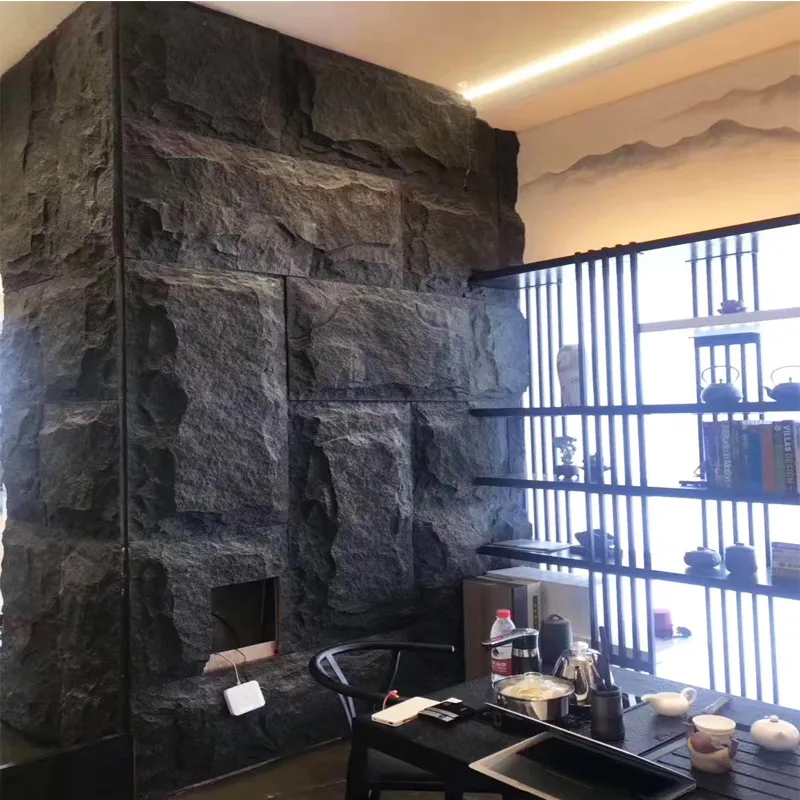
When you walk into a space lined with mushroom stone wall panels, there's an immediate warmth that greets you. It's not just stone – it's history, texture, and craftsmanship blending into your walls. Japan's manufacturers have mastered this art, transforming rugged stone into poetic surfaces that breathe life into modern interiors and exteriors alike.
These companies aren't just suppliers; they're storytellers in granite and quartz. We've curated Japan's top 10 mushroom stone specialists who balance ancestral stone-working traditions with eco-friendly innovations. Their panels don't just cover walls – they create experiences.
Mushroom stone isn't your average cladding. Imagine centuries-old volcanic rock hand-sculpted to resemble forest fungi, creating surfaces that feel simultaneously organic and refined. Japanese artisans treat each slab like a canvas:
These panels solve modern dilemmas too – they're surprisingly lightweight despite their rugged appearance, and install twice as fast as traditional stonework.
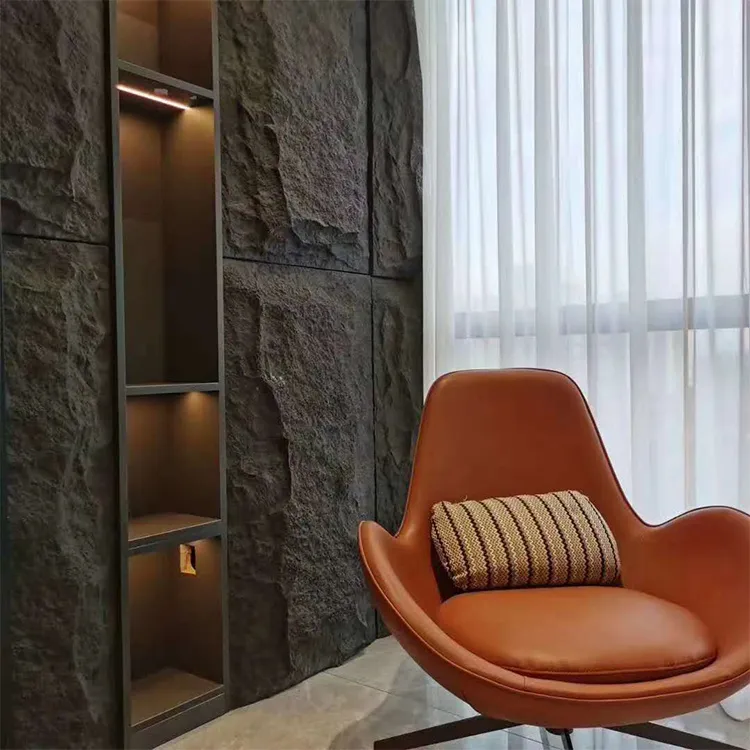
Nestled near Mount Fuji, these artisans source volcanic basalt that's over 2 million years old. Their secret? A patented "frost-resistance" treatment allowing panels to withstand Hokkaido's -30°C winters without cracking. Walking through their Kyoto showroom feels like wandering through a geological museum.
-30°C durability guarantee • Thermal-shock resistant • Charcoal textured finish
Raked-sand inspired patterns • Moss-compatible grooves • Meditation-wall system
What began as a family workshop in 1912 now supplies imperial gardens. Their pink-hued quartz panels contain actual cherry blossom petals suspended in resin – a breathtaking springtime illusion. Watch how morning light makes the petals appear to float.
Rebel craftsmen who transform demolition-site granite into avant-garde panels. Their "Kintsugi Stone" series fills fractures with gold-leaf, celebrating imperfections in true wabi-sabi fashion. Each panel comes with origin documentation – you might own stone from Osaka Castle's 17th-century walls.
"We don't carve stone, we converse with it," says master artisan Kenji Sato, whose grandfather taught him to "listen" to the rock's natural cleavage lines.
Specialists in ethereal translucent panels made from milky quartz. Backlit with LED systems, they glow like frozen waterfalls. Surprisingly energy-efficient – their thermal mass properties reduce heating costs by up to 15% in winter.
Color-shifting LEDs • Heat-conductive backing • Zero-gap installation
Urban innovators creating "breathing walls" infused with air-purifying minerals. Their panels reduce airborne toxins by 68% according to Osaka University studies. Ideal for hospitals and schools, with antimicrobial silver-ion treatment.
Born from 1995 earthquake reconstruction, their flexible panels move with buildings during tremors. Independently tested to withstand 9.0 magnitude quakes. Used in bullet train stations and high-rise lobbies across the Pacific Rim.
"Stone shouldn't be rigid when life isn't," explains engineer Aiko Tanaka, whose team developed memory-foam backing that rebounds after compression.
Living walls that come pre-planted with micro-ferns in crevices. Self-sustaining hydroponic system waters itself from humidity in bathrooms or kitchens. Their showroom has panels still thriving after 11 years without maintenance.
Collaborates with Shinto shrines to replicate sacred stone textures. Their "Worn Steps" collection mimics Nara's 8th-century temple stairs, complete with symbolic wear patterns. Spiritually significant for meditation rooms.
Buddhist monks bless each batch during moon-viewing ceremonies – not for doctrine, but for intentional craftsmanship.
Developed for ski resorts, their high-friction surface prevents slipping on wet panels. Heated wire systems melt snow instantly. Frost-resistant seals rated for -40°C – protecting hotels facing Siberia's winds.
Diamond-grit textured surface • Thermal imaging alignment • Hot spring mineral infusion
Radiation-treated granites with electromagnetic harmonizing properties. Neutralizes EMFs from routers and appliances. Features "kabuki" dramatic veining patterns inspired by traditional theatre masks.
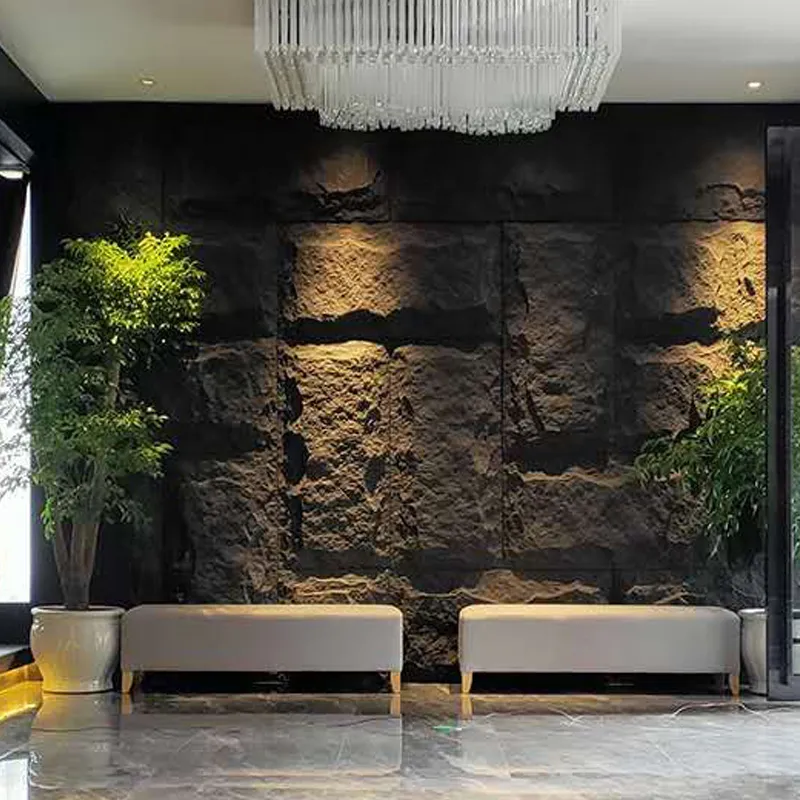
Selecting panels isn't about picking a color swatch. It's about discovering which stone whispers to you. Sakura Quartz might move you with floral delicacy while Hiroshima Harmonys' bold veins stir your spirit. Consider:
When the delivery arrives, don't rush. Unwrap panels slowly like sacred scrolls. Japanese installers often arrange pieces on the floor first, reading the stone's natural narrative before committing to placement.
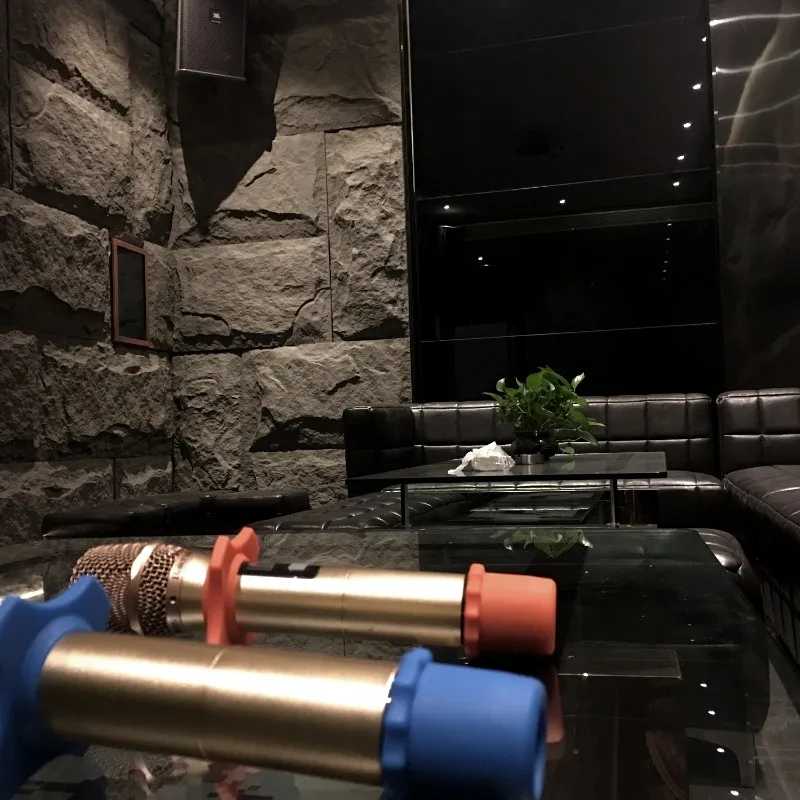
Unlike mass-produced panels, Japanese manufacturers embrace variation. As Kobe QuakeStone's lead geologist notes, "We document mineral imperfections like birthmarks – they prove authenticity." This craftsmanship extends beyond aesthetics:
Each purchase supports multi-generational workshops where apprentices spend years mastering single techniques, from precision-splitting to mineral staining.
These surfaces become heritage pieces – Kyoto Moss reports customers passing down panels to grandchildren, the stones gaining character like leather-bound books.
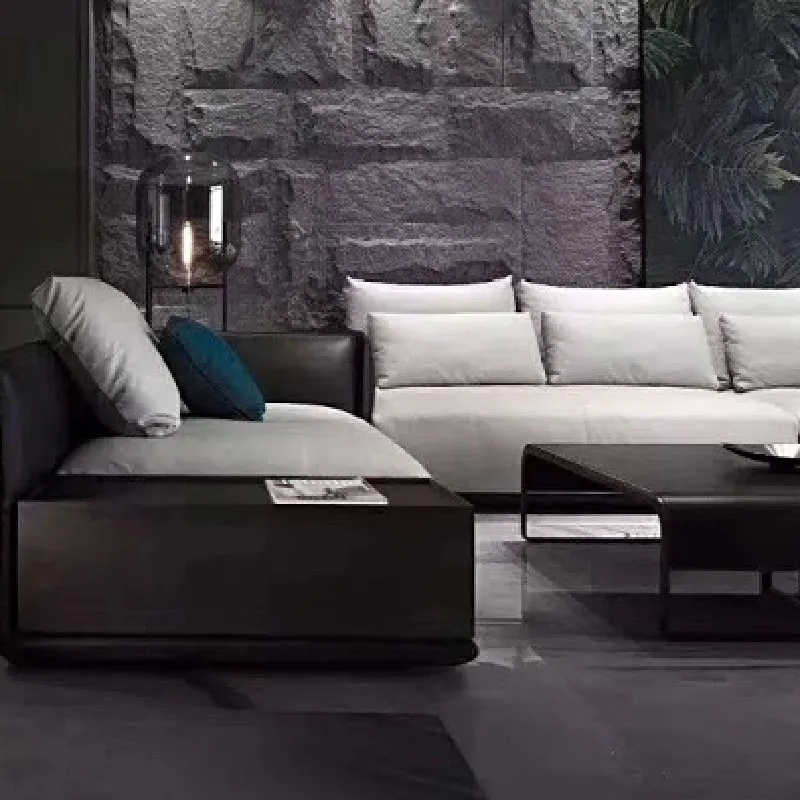
The true magic emerges years after installation. Tokyo Terra's purified air panels develop complex mineral patterns as they absorb pollutants. Sakura's blossoms gradually intensify. These aren't static surfaces but evolving landscapes on your walls.
One homeowner described it perfectly: "After the Kobe earthquake, a hairline fracture appeared in our QuakeStone panel. Instead of replacing it, we filled it with gold leaf. Now it's our reminder that beauty survives rupture."
That's the soul of Japanese mushroom stone – not perfection, but profound resilience hidden beneath a surface of enchanting textures and innovative applications.
Recommend Products












