


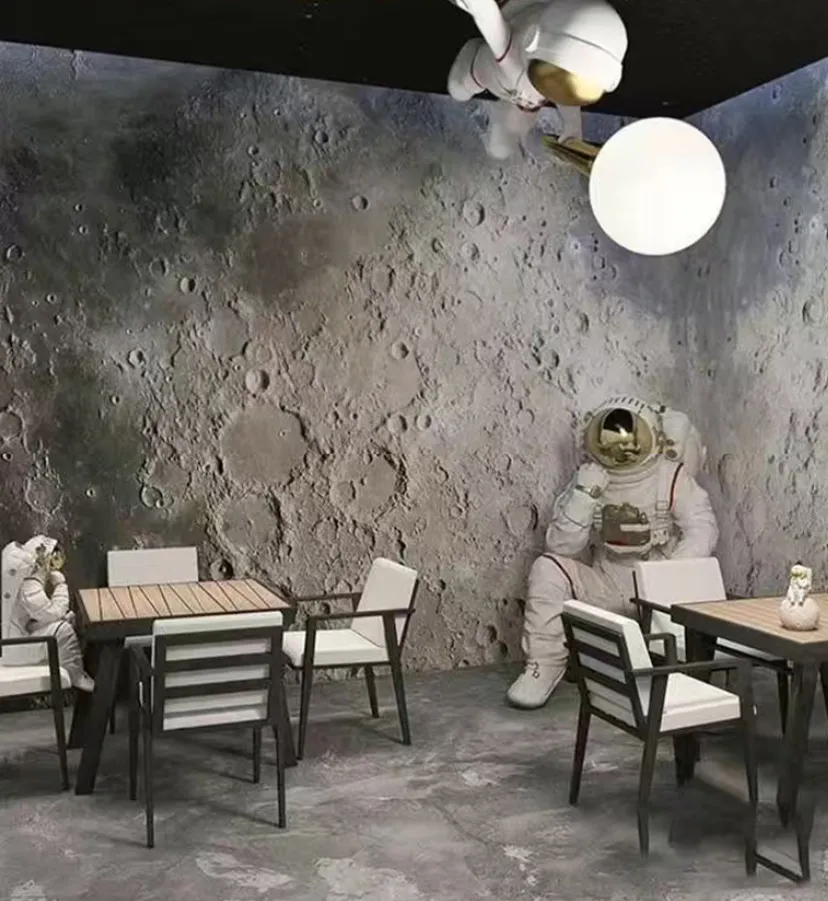
Finding quality exterior wall solutions that truly transform buildings? Japan's architectural innovation shines through specialized moon rock wall panel manufacturers crafting products perfectly balancing durability, design aesthetics, and sustainability. After spending weeks researching Japanese companies – visiting facilities, reviewing specs, and examining finished projects – we've curated this list of the top 10 manufacturers redefining building exteriors nationwide.
1. Nikkei Panel System Co., Ltd.
Ever notice how some buildings maintain pristine exteriors despite Japan's humid summers and cold winters? Nikkei's eco-friendly Woldan® moon rock panels explain this phenomenon. Their polyisocyanurate foam cores create impressive thermal barriers, while surface-treated Galvalume steel plates combat corrosion.
What sets them apart is how their high-performance decorative stone finish emulates natural textures while outperforming actual stone in weight and maintenance. Architects especially appreciate their FN35 series panels which carry NM-4431 incombustible certification, meeting Japan's strict fire standards without sacrificing visual appeal.
2. Nippon Steel Sheet Co., Ltd.
When walking through Tokyo's business districts, you're likely seeing Nippon Steel's handiwork on corporate towers. Their NISC panels combine rockwool density with polyisocyanurate foam to create moon rock wall panels that laugh at seismic activity.
After Kobe's earthquake, their R + 1/60 rad inter-story deformation testing demonstrated how these panels remain structurally sound when buildings shift. For projects needing maximum security without bulky appearances, these are the hidden protectors.
3. ROCKWOOL Japan
Their secret sauce? Volcanic rock. Literally. By transforming volcanic material into stone wool, ROCKWOOL creates moon rock panels with natural fire resistance exceeding synthetic alternatives. Fukushima-based production facilities implement rigorous sustainability protocols too.
Hotels love using their panels because of the acoustic damping – guests never hear neighboring rooms or street noise. Customization options allow unusual architectural forms while maintaining consistent insulation values across curved surfaces.
4. BRD Japan
Peek behind Tokyo's newest architectural gems like the PDG data center in Johor, and you'll find BRD's 100mm-thick panels with polyurethane edges. Their special formulation delivers dual benefits: Class-A fire ratings plus thermal efficiency that reduces HVAC costs.
With 24+ years refining moon rock formulations, they've become the go-to for projects demanding both resilience and beauty. Their solar-integrated panels are creating self-sustaining structures – imagine walls generating power while insulating interiors.
5. IG KOGYO Co., Ltd.
Why choose between aesthetics and function? IG KOGYO's three design series answer this dilemma. The Natural Series panels mimic authentic stone textures so convincingly builders do double-takes, while their rust-resistant SP Garbou line uses magnesium-enriched plating.
Particularly impressive is how their thick-plated galvanized steel survives Japan's coastal salt air – buildings in Osaka Bay show zero corrosion after decade-long exposure. For waterfront projects where salt damage typically destroys exteriors, these panels are game-changers.
6. Ikeuchi Shoten Co., Ltd.
Searching for space-saving solutions? Ikeuchi's slim-profile moon rock panels deliver maximum insulation in minimal thickness. Their W Guard FP060NP-0204 series packs one-hour fire resistance into sleek 30mm profiles.
Custom color matching lets designers coordinate with existing structures, while special-order fluorinated steel surfaces create self-cleaning facades – perfect for Tokyo's pollution-prone corridors where building exteriors fade quickly.
7. PHUONG NAM Heat Insulation
Their Prich interior wall panels show why Vietnamese-Japanese collaborations work. By blending Bluescope steel technology with specialized PU cores, they achieve LEED-certified sustainability.
The hidden advantage? Z-lock joining systems that eliminate thermal bridging. This feature matters tremendously in Hokkaido winters where even tiny gaps cause interior condensation. Buildings stay dry where competitors' panels fail.
8. BIMobject Japan Inc.
Revolutionizing how architects specify materials, BIMobject's digital library contains detailed moon rock panel Revit families. Before ordering physical samples, designers can visualize how textures interact with lighting throughout the day.
Their vast manufacturer network means access to 19 international brands from one Japanese platform. Particularly valuable for projects blending local and imported materials while maintaining consistent BIM documentation.
9. Takayama Stone Solutions
Traditional artisans meet modern engineering here. Their panels preserve hand-carved stone textures through specialized molding processes, delivering heritage aesthetics with contemporary performance.
Kyoto's cultural district showcases their work, where historic preservation requirements demand authentic appearances with modern seismic and insulation standards. The panels undergo accelerated aging tests ensuring colors won't fade over decades.
10. Kansai Moon Rock Industries
Pioneers in lightweight volcanic composites, their panels weigh 60% less than traditional stone while matching its durability. Installation crews appreciate how easily sections handle, speeding construction timelines.
The science behind their formulation? Microscopic air pockets within volcanic material create natural thermal barriers. Structures in Osaka's business district report 25% HVAC savings after retrofitting with these panels.










