


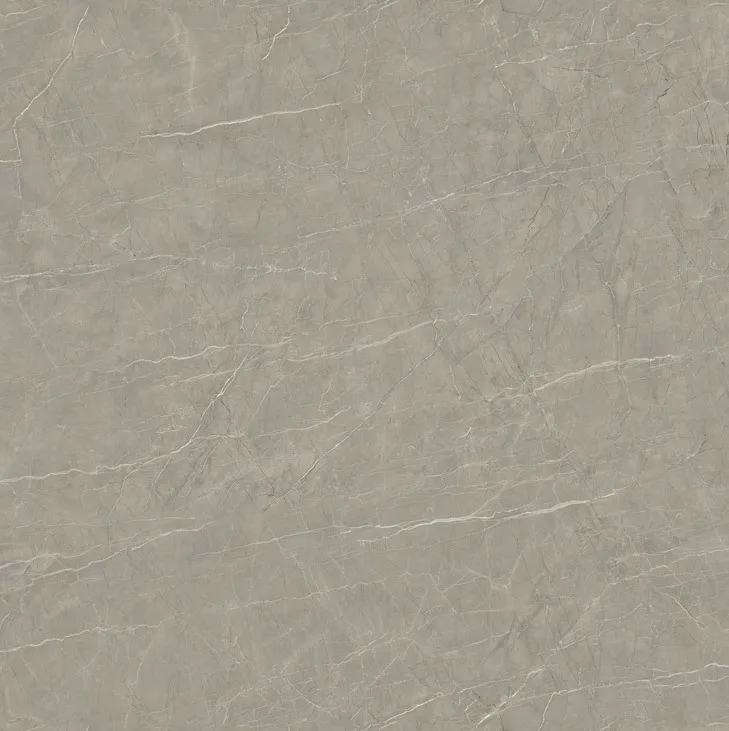
There's something magical about the way natural light dances across a matte marble surface. Unlike its glossy counterparts, matte finish marble whispers elegance rather than shouts it, blending texture and sophistication in a way that transforms ordinary walls into artistic statements. In Japan, where craftsmanship meets innovation, a unique breed of manufacturers has perfected this alchemy. They don't just create wall panels; they engineer experiences that balance timeless aesthetics with cutting-edge functionality.
If you're designing a luxury hotel lobby, crafting a minimalist zen retreat, or creating an executive office that speaks power without shouting, Japanese matte marble panels deliver. Their secret lies in a marriage of traditional stone-working techniques passed down through generations and modern sustainable technologies that'll make eco-conscious architects smile. Let's explore the masters of this craft.
Why Matte Marble? Beyond Surface Deep
Matte finishes have staged a design coup globally, and for good reason. While high-gloss marble shouts "look at me," matte whispers sophistication through subtle texture and nuanced depth. It's the difference between a spotlight and candlelight - both beautiful, but one creates atmosphere while the other dominates it. Japanese manufacturers particularly excel at enhancing the natural veins and mineral patterns through matte processing, creating panels that look different from dawn to dusk.
From humidity-controlling properties to heat regulation and natural sound absorption, these aren't just pretty surfaces. Think of them as functional art for residential and commercial spaces. The leading manufacturers we'll discuss have pioneered "breathable" marble treatments allowing walls to regulate moisture naturally - a game-changer for Japan's humid summers.
The Pioneers: Where Tradition Meets Technology
1. Yamagishi Stone Innovations
Nestled in the mountainous regions of Gifu Prefecture, Yamagishi operates with a simple philosophy: "Stone remembers." Founded in 1932 as a traditional stone masonry workshop, fourth-generation CEO Hiroshi Yamagishi transformed it into an innovation hub while preserving artisan techniques. Their signature "Silken Matte" treatment involves 72 hours of controlled mineral absorption that seals the marble while preserving its natural pores - resulting in unmatched temperature regulation.
What sets them apart:
Yamagishi offers custom geolocation-specific formulations. Panels destined for humid coastal installations undergo different treatment than those for dry, heated interiors. Their R&D lab analyzes destination climate data before production even begins.
Sustainability highlight: They pioneered closed-loop water recycling where the mineral bath solution is continuously purified and reused, reducing water consumption by 94% compared to industry standards.
2. Kurokawa Architectural Surfaces
When Osaka's National Art Museum installed Kurokawa's "Smoke Quartz" panels in 2019, architects worldwide took notice. This isn't your conventional marble producer. Kurokawa treats marble as a living canvas, employing a patented ceramic fusion process where microscopic porcelain particles bond with the stone surface. The result? Matte surfaces with the depth of oil paintings and hardness rivaling industrial ceramics.
Signature innovation:
Their "Reactive Matte" collection features panels that subtly shift appearance based on ambient lighting. Install the same panel in a north-facing spa versus a sun-drenched atrium, and you'd swear they were different stones.
3. Hoshi Marble Dynamics
What if marble panels could improve indoor air quality? That's the question that drives Hoshi's research lab. Their "Purity Matte" line incorporates tiny bamboo charcoal particles suspended in a nano-sealant that bonds with the marble surface during curing. This creates naturally
air purification wallboard
capabilities - actively absorbing formaldehyde and other VOCs.
Beyond air purification, their manufacturing secrets include:
- Precision-thickness panels (3mm-20mm) with proprietary reinforcement webbing
- Magnetic mounting systems allowing panel replacement without demolition
- Pattern-matching algorithms ensuring seamless installations
4. Minami Eco-Stone
Pioneers in sustainable luxury, Minami transformed their waste streams into innovation. Every chip and fragment from their Okayama quarry gets recycled. Smaller pieces become terrazzo aggregates; stone dust forms the base of their proprietary binding agents. Their "Whisper Matte" collection uses 97% post-industrial material while looking like premium solid marble.
Architect favorite:
Their custom blending service allows designers to submit color palettes which their master mixologists match using natural mineral pigments. This creates uniquely colored matte marbles unavailable anywhere else globally.
5. Fuji Mountain Marble Co.
For projects where authenticity matters, Fuji stands apart. While others use marble slabs from global quarries, Fuji sources exclusively from Japan's domestic mountains. Their premium collection comes from a single Hokkaido quarry famous for its icy blue-veined marble with fog-gray base tones. Limited annual extraction ensures exclusivity.
Their matte process involves traditional Japanese stone-polishing methods using progressively finer nagura stones over 14 days, rather than chemical sealants. The result? A living surface that evolves beautifully over decades.
6. Sakura Sustainable Surfaces
Named "Most Innovative Manufacturer" at the 2023 Tokyo Design Week, Sakura proves sustainability and luxury coexist. Their secret lies in "marble cultivation" - growing calcium carbonate crystals in labs using mineral-rich geothermal waters from Beppu's hot springs. This creates genuine marble structure without quarrying.
Why architects love them: Consistent coloration impossible with natural stone. Zero variation between batches allows perfect matching across large projects or phased installations. Their proprietary matte finish resists fingerprints - ideal for high-traffic areas.
7. Tsubasa Architectural Stone
When Tokyo's Ando-designed skyscraper needed lightweight marble solutions, they called Tsubasa. Specializing in ultra-thin reinforced marble veneers (as slim as 1.2mm), their "Feather Matte" panels weigh up to 90% less than conventional slabs. Yet they achieve Class A fire ratings through embedded ceramic microfibers.
Their Kobe facility features robotic arms that precision-cut panels to tolerances of ±0.15mm using waterjet lasers. This accuracy allows them to create intricate geometric inlays that fit together like perfect stone jigsaw puzzles.
8. Kansai Stone Craft Collective
More art studio than factory, Kansai partners with legendary Japanese artisans. Their "Brushstroke Matte" series involves hand-rubbing finishes using techniques adapted from sword polishing. Each 1m² panel receives over six hours of human attention, creating nuanced textures that change character with viewing angle.
Limited editions feature collaborations with living national treasures. Their iconic 2022 "Seasons" collection by lacquer master Hiroshi Nakamura featured marble panels with embedded urushi patterns visible only at certain light angles.
9. Shirogane Industrial Minerals
For environments demanding extreme durability, Shirogane leads with science. Their "Armor Matte" treatment involves vacuum-infusing marble with graphene-enhanced resin systems. The result: surfaces ten times more scratch-resistant than untreated marble while maintaining vapor permeability.
Game-changing application:
Hospital operating rooms where sanitation is critical. Their non-porous yet breathable surface inhibits bacterial growth while withstanding harsh disinfectants that erode conventional finishes.
10. Ryujin Digital Stone
At the intersection of tradition and technology sits Ryujin. Their Yokohama "smart factory" uses AI-driven optical scanners that map each marble slab's unique characteristics. Proprietary algorithms then determine optimal cutting patterns to minimize waste while enhancing natural veining flow across panels.
Their installation revolution? QR codes laser-etched onto panel backs containing digital twins with exact coordinates for robotic installers. This ensures monumental murals assemble with pixel-perfect alignment.
Industry Secrets: What Only Insiders Know
Having explored these innovators, let's uncover truths about matte marble panels you won't find in brochures:
- The humidity factor: Japanese manufacturers universally advise against installing matte marble in steamy bathrooms unless using their specialized hydro-shield versions. Standard matte panels can develop cloudy patches in constant 80%+ humidity
- Light deception: That gorgeous sample under showroom lights? Always request to see materials in both direct sunlight and shadow. Some matte finishes turn dramatically darker when not illuminated
- Cleaning myths: "Just wipe with water" advice leads to heartbreak. Japanese manufacturers universally recommend pH-neutral stone soaps. Water alone leaves mineral deposits on matte surfaces over time
- Thermal reality: While marble naturally stays cooler, direct matte finishes lack reflective properties. Don't expect significant cooling effects in sun-exposed applications
The Sustainable Shift: More Than Marketing
Japan's leading manufacturers aren't just greenwashing. Consider these measurable impacts:
Circular systems:
Kurokawa now offers certified "Stone to Stone" recycling where end-of-life panels are crushed, purified, and reborn as new panels containing up to 45% recycled material without quality compromise. Minami powers their entire Nagano facility through geothermal vents discovered beneath their quarry.
The ethical dimension matters too. Fuji Marble employs blockchain verification so clients can trace their stone from specific quarry blocks through every processing stage, ensuring no exploited labor or conflict minerals.
Buying Smart: Your Decision Checklist
Before choosing your manufacturer, get answers to these crucial questions:
- Sealant chemistry: Is it solvent-based or water-based? Solvent sealants achieve slightly richer finishes initially but degrade faster in UV light
- Breathability rating: Measured in perm units. Under 0.1 means effectively impermeable; 1.0-10 offers balanced moisture control ideal for most interiors
- Substrate compatibility: Can panels adhere to curved surfaces? What's the maximum concavity/convexity?
- Repairability: If chipped or stained, can sections be replaced discreetly? Ryujin and Tsubasa pioneered panel-specific repair kits
- Sample authenticity: Request samples cut from full slabs, not special "display grade" pieces. Some suppliers cherry-pick showcase sections
Pro tip: Request suppliers stage a "stress test" showing how their matte finish withstands common hazards: red wine spills for residential clients, or cleaning chemical exposure for commercial projects.
Beyond Walls: Unexpected Applications
While designed as wall systems, Japanese innovators repurpose matte marble in stunning ways:
Sakura
created limited-run acoustic panels for Kyoto concert halls - marble perforated with fractal patterns that diffuse sound while looking solid from audience distance.
Kansai
crafts ultra-thin desk inlays where matte marble becomes functional art.
Tsubasa's
feather panels clad elevator cabs in luxury towers, proving weight matters even in vertical transport.
The Future Surface
What comes next? Industry insiders reveal:
- Phase-change materials (PCMs) being tested to store/release heat within marble matrix
- Photovoltaic layers integrated below transparent marble veils
- Self-regenerative sealants using mineral deposition
- QR-tagged panels linked to NFT ownership certificates for provenance tracking
But perhaps the most exciting innovation remains human. Japanese manufacturing represents the golden balance where robotic precision enhances rather than replaces centuries of stone intuition. The masters teach their machines to see marble not just as geological material, but as living art that interacts with light and space.
When you run your hand across a truly master-crafted Japanese matte marble panel, you're touching two million years of geological history filtered through two thousand years of human artistry. The veins you trace formed when mammoths still rooved Earth. The matte finish comes from techniques developed during Edo-period craftsmanship. And the precision cutting? That's tomorrow's technology respecting yesterday's miracles. In a single wall, time collapses - and that's magic no ordinary surface can deliver.










