
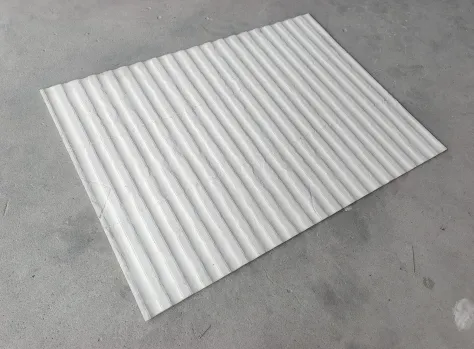
Picture this: You're strolling through Kyoto's historic Gion district, fingertips brushing centuries-old stone walls that whisper stories of artisans past. That timeless beauty? That's exactly what modern century stone siding brings to contemporary architecture. Unlike cheap vinyl imitations, Japanese manufacturers blend ancestral craftsmanship with cutting-edge technology to create architectural cladding that withstands typhoons, resists corrosion, and ages with dignity. As architectural façade solutions gain global attention, Japan's stone siding masters are redefining what durable elegance means.
Pro tip: Authentic Japanese century stone cladding features micro-textured surfaces that capture light like natural stone. If it looks too uniform, you're likely holding an inferior imitation.
Century stone siding isn't just cladding – it's cultural preservation. Traditional Japanese homes used natural stone as protective armor against elements while creating harmony between structure and landscape. Today's manufacturers honor that legacy by solving modern pain points:
The real magic happens during manufacture. Producers source mineral compounds from Shikoku quarries, fire panels at precise temperatures, and test samples through simulated decades of weather abuse. The result? Cladding that looks better after twenty monsoons than cheap PVC does after installation.
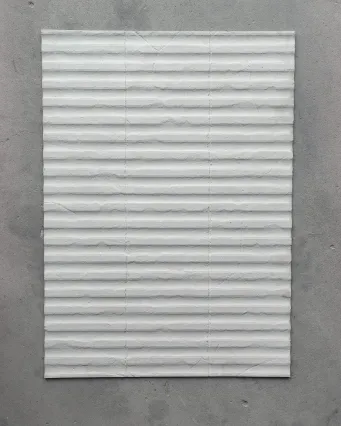
Since 1917, Konoshima has pioneered stone siding that behaves like living material. Their DRESSE Customize line features dynamic rib patterns printed with such precision that craftsmen need magnifiers to distinguish it from authentic schist. What sets them apart? Thermal-reactive pigments that shift color with seasons – pale grays in summer monsoons, warm umbers in winter sun.
Nippon Steel brings samurai-grade toughness to stone cladding. Their Kaisei Baum series mimics centuries-old timber grain while providing military-grade protection. Using steel-core technology with mineral coating, they achieve perfect balance: panels that withstand baseball-sized hail yet remain feather-light for retrofitting historic structures. Their secret? Patented anti-corrosion layers that self-heal microscopic scratches.
Relative newcomers since 2005, StoneGuard revolutionized installation with their ClickLock interlocking system that eliminates visible fasteners. Their panels feature authentic moss-growth channels where micro-ecosystems naturally develop – a dream for architects merging biophilic design with urban structures.
TerraForm masters lightweight volcanic stone composites that insulate like wool while looking like Hokkaido granite. Their panels absorb street noise (up to 42db reduction), making them Tokyo high-rise favorites. The genius? Hollow core chambers filled with aerated mineral compounds that regulate building temperature year-round.
Fifth-generation stonemasons who digitized their craft. Kansai's "Digital Grain" technology scans rare stone formations, recreating them in infinitely repeating patterns without visible seams. Their museum-grade UV stabilizers guarantee zero fading – even after decades of Okinawan sun exposure.
Where tradition meets nano-tech. Edo artisans hand-cast master molds using temple stones, then enhance them with hydrophobic coatings so effective that monsoon rains leave panels bone-dry. Their "Patina Program" lets clients choose exactly how weathering patterns will develop over 20+ years.
Masters of ultra-thin applications for seismic zones. Shiroi's 12mm panels feature a honeycomb aluminum core with stone composite skin – so shock-absorbent they meet Japan's strictest earthquake codes. Perfect for retrofitting historic wooden structures without compromising aesthetics.
FujiTech solved the "cold seam" problem with thermally-bonded joints that expand/contract uniformly. Their secret weapon? Recycled materials program incorporating porcelain shards into stunning stone blends that give urban renewal projects authentic character.
Okinawa-based innovators creating coral-infused composites that actively scrub pollutants from surrounding air. Their limestone formulas absorb CO2 like natural reefs, with third-party verification showing 35kg annual carbon capture per 10m² installed.
Keeping ancestral techniques alive with modern enhancements. Matsumoto panels undergo "weather acceleration" treatment where they're cycled through desert heat, arctic freeze, and salt-spray chambers for six months before shipping. What emerges are panels guaranteed against weathering flaws for 75 years.
Japanese manufacturers obsess over details Western producers overlook:
Structural poetry: Konoshima's ceramic siding incorporates glass fibers in mathematical patterns that stiffen panels without adding weight – like hidden reinforcement bars in concrete.
Metal sidings like Nippon Steel's incorporate advanced engineering principles including:
True innovation happens in application methods. While Western builders might slap panels directly on waterproof membranes, Japanese engineers perfected the ventilated cavity approach that:
This architectural skin system breathes, perspires, and protects like traditional stone walls, without weight penalties that would make modern construction impossible.
Navigating Japan's siding market means looking beyond catalog thickness claims. Here's what actually matters:
Certification alert: Demand JIS A 1471 documents proving freeze-thaw resilience through 300+ cycles – vital for northern regions where thermal expansion shatters inferior panels.
Key selection metrics:
Smart architects know installation crews matter as much as materials. All ten manufacturers profiled maintain certified installer networks. Avoid budget teams lacking proprietary installation toolkits – incorrectly hung panels cause thermal bridging that can spike energy bills up to 22%.
As Kanazawa architects blend sleek modernity with ancestral textures, century stone siding evolves beyond imitation. The next generation will integrate:
The best Japanese manufacturers aren't just making beautiful facades – they're crafting environmental armor that shelters families through generations. When disaster-resistant construction meets beauty born from volcanic soil, you get more than siding: you get heirloom architecture.
Final thought: Unlike trendy materials, authentic Japanese stone siding becomes more character-rich with age. Choose wisely, and your grandchildren will still trace its textures with awe.
Recommend Products












