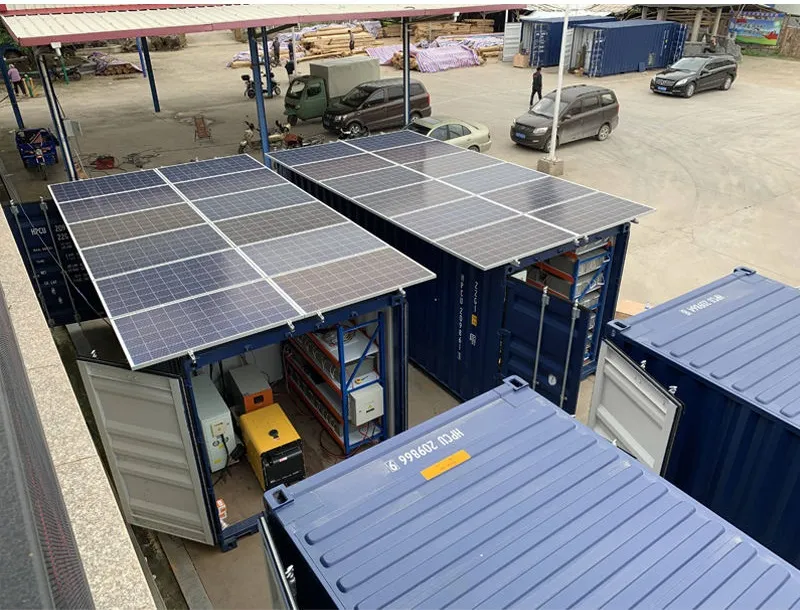
Picture this: Solar panels so slim they blend into your windows, so flexible they curve around vehicles, and so versatile they power satellites in space. This isn't sci-fi – it's the reality of thin-film solar technology. While most of us think of bulky rooftop panels when we hear "solar," thin-film solar panels quietly revolutionize how we generate clean energy in places traditional panels could never go.
First developed in the 1970s, these feather-light panels have evolved from scientific curiosity to practical powerhouse. They're the chameleons of solar tech – adapting to surfaces, structures, and situations that bulky crystalline panels can't handle. From spacecraft to smartphone chargers, they're changing our energy landscape in surprising ways.
The journey started when physicist Karl Böer saw potential in pairing slim photovoltaic layers with heat collectors. The first commercial panel (the G-4000) hit the market in 1986 – an engineering marvel at the time, though we'd chuckle at its efficiency by today's standards. Back then, cracking 10% efficiency felt like winning the science lottery.
Fast forward thirty-something years, and the tech has blossomed. Modern thin-film panels turn semiconductor particles barely thicker than plastic wrap into electricity factories. They work the same physics magic as traditional panels – sunlight knocks electrons loose, creating current – but achieve it with about 1/100th the material. That elegance has opened doors traditional solar couldn't even find the keys to.
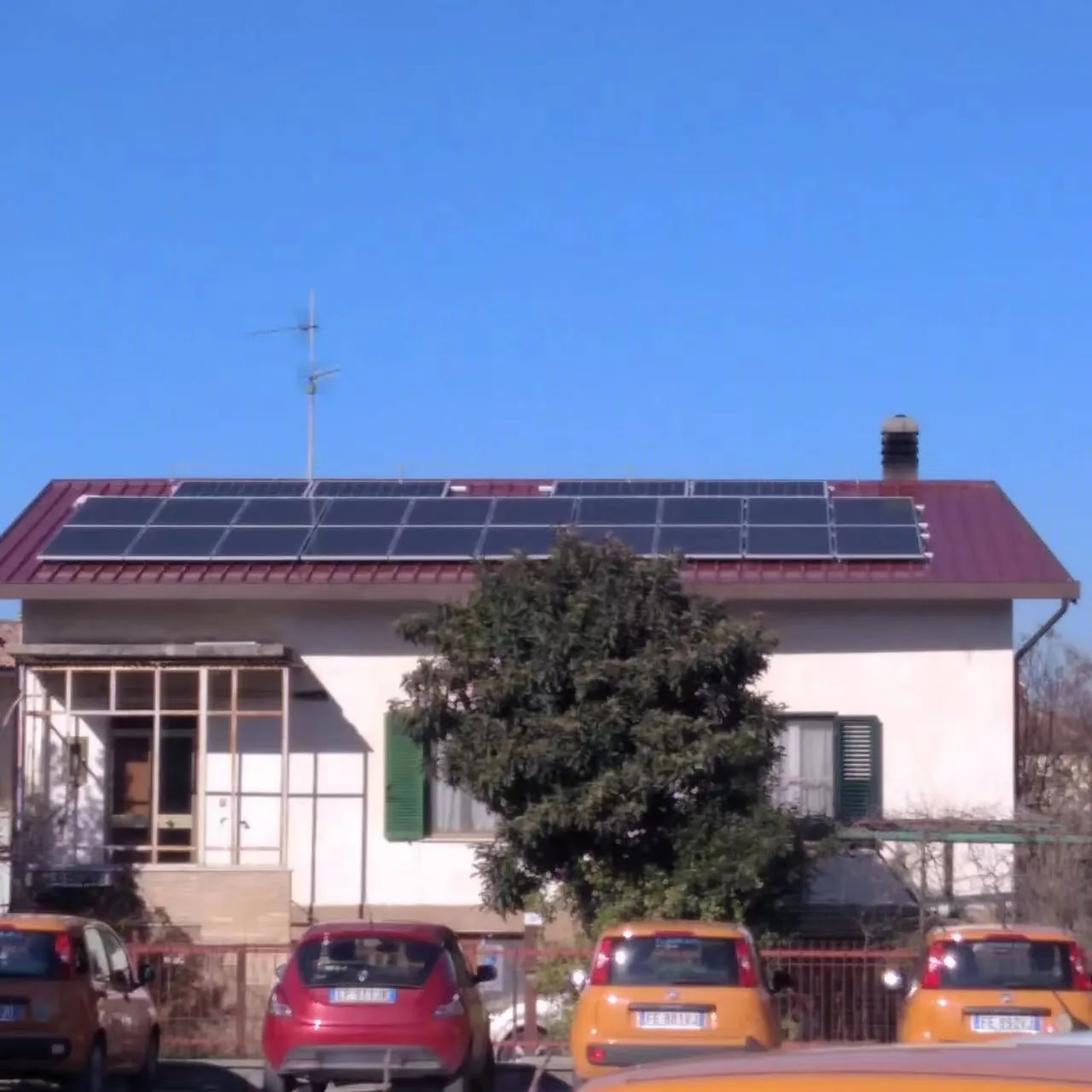
Not all thin films are created equal. These panels come in distinct flavors, each with its superpowers and quirks. Let's break down the lineup:
The heavyweight of thin-film options, CdTe dominates the market with affordable reliability. Picture a layer-cake structure: fluorine-doped tin oxide on top, then cadmium sulfide, a cadmium telluride core, and finally zinc telluride on a metal base. It hits about 22% efficiency in labs – impressive for a technology priced around $0.40 per watt.
You'll find CdTe everywhere from big solar farms to integrated building skins. Its only real downside? Cadmium requires careful handling during manufacturing and recycling. But safety's come a long way since the early days.
Copper Indium Gallium Selenide sounds complex because it is. This tech layers molybdenum electrodes over polyimide, then deposits an artfully blended compound semiconductor topped with zinc oxide. What makes it special? That material blend can be tuned like a guitar string to capture specific light wavelengths.
In space satellites, CIGS shines. It shrugs off cosmic radiation and works beautifully in low-light conditions – crucial where sunlight's diluted. Though pricier at $0.60/watt, its theoretical efficiency ceiling of 33% has researchers scrambling to push boundaries.
Born from lab work in the mid-70s, a-Si uses hydrogen-soaked silicon arranged differently than its crystal cousins. This jumbled atomic structure makes it flexible and efficient in diffuse light. Imagine walking under cloudy skies while your a-Si panel quietly outperforms rigid panels.
It's become the go-to for portable chargers and integrated electronics. The catch? Manufacturing takes patience. That conductive glass costs enough to push prices near $0.70/watt despite using dirt-cheap silicon material.
This is the Bugatti of solar tech. Originally crafted for spacecraft in the 1980s, GaAs layers require temperature-controlled molecular dances to build semiconductor sandwiches. A platinum-gold layer bonds to silicon, capped with titanium-platinum-gold electrodes.
These panels flirt with 40% efficiency and laugh at extreme environments. Perfect for satellites? Absolutely. For your rooftop? Not yet – at $170/watt, they'd cost more than your house. But future manufacturing might drop prices significantly if research pays off.
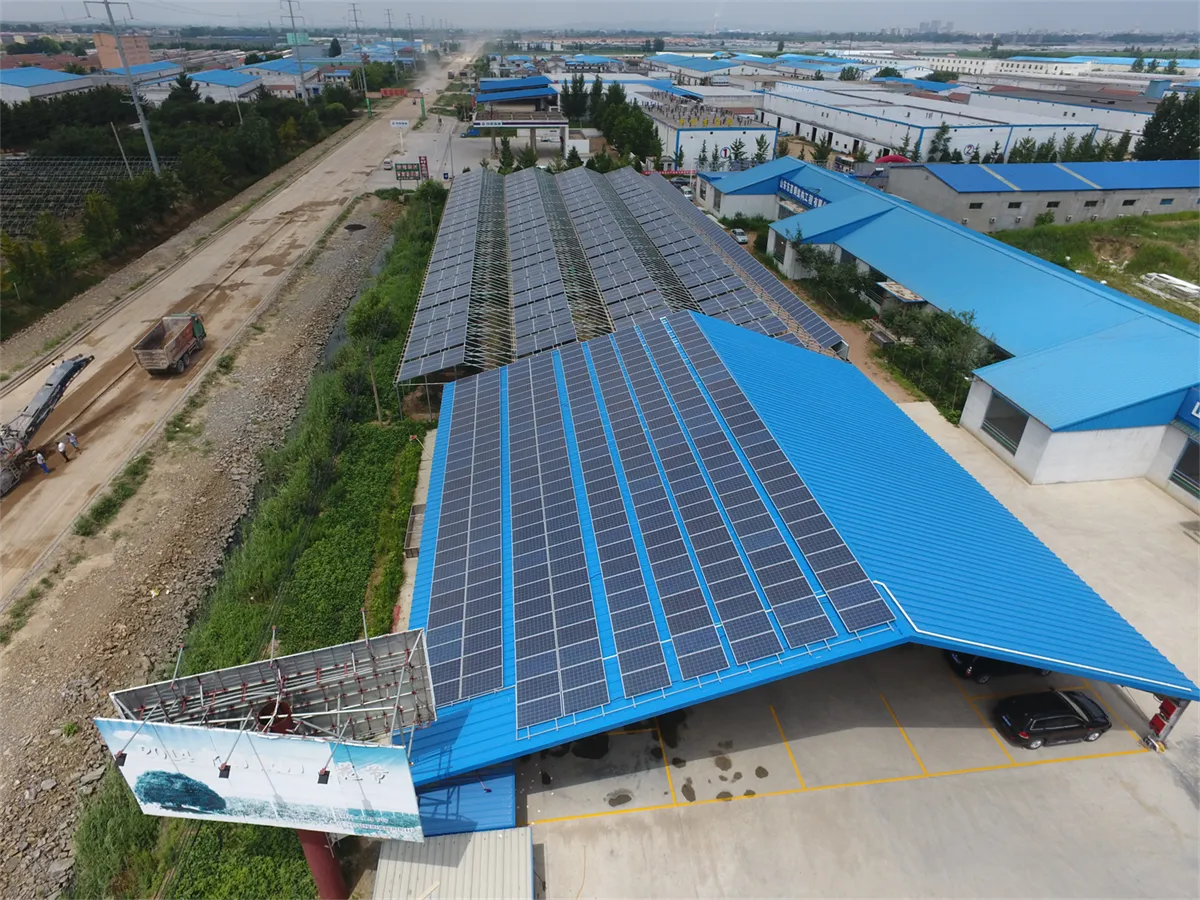
Throwing these thin-film warriors against crystalline silicon (c-Si) reveals striking differences:
| Performance Factor | c-Si Panels | CdTe | CIGS | a-Si | GaAs |
|---|---|---|---|---|---|
| Top Efficiency | 26.7% | 22.1% | 23.4% | 14.0% | 29.1% |
| Heat Sensitivity | -0.42%/°C | -0.17%/°C | -0.36%/°C | -0.23%/°C | +0.09%/°C |
| Market Share | 90.9% | 5.1% | 2.0% | 2.0% | <1% |
| Price Point | $0.16-$0.46/W | ~$0.40/W | ~$0.60/W | ~$0.69/W | $50-$170/W |
Here's where thin films really strut their stuff: On a scorching summer day when traditional panels sweat and lose efficiency, thin film options (especially CdTe) just keep humming. That -0.17%/°C heat sensitivity rating means a 100°F roof might drop c-Si output 10-15%, while CdTe shrugs off the heat.
Traditional panels dominate rooftops, but thin films dance where others can't:
Imagine entire skyscrapers generating power without clunky panels. Thin films embed into:
Thin film's flexibility powers adventures:
CIGS and GaAs panels power satellites where reliability matters more than cost. Their radiation resistance and cold-space efficiency make them irreplaceable for orbital missions.
And don't overlook emergency applications: Rollable thin-film sheets deployed after disasters create instant power stations where grid infrastructure fails. Relief workers in Haiti used them to charge medical equipment within hours of deployment.
Beyond their flexibility and sleek profile, thin films boast serious advantages:
On the flip side, they do have limitations:
Current research reads like science fiction:
Industry experts predict thin film could grab 25% market share by 2040 as manufacturing improves and prices drop. Building integration will likely lead the charge – architects adore materials serving dual purposes.
Thin-film solar won't displace traditional panels tomorrow – they're different tools for different jobs. But as integration opportunities grow and manufacturing scales up, they'll increasingly appear where solar wasn't possible before.
The next time you see a sleek electric bus rolling silently down the street, satellite streaming your weather forecast, or building facade shimmering subtly in sunlight, look closer. Invisible to the untrained eye, thin film solar technology is already powering our world in ways its 1970s inventors could scarcely imagine.
Recommend Products