
You've felt it before – that subtle shift when you step into a room that breathes calm. It's not just about pretty furniture or expensive art. It's something deeper, like the quiet confidence in the grain of weathered wood or the patient geometry of stones in a garden.
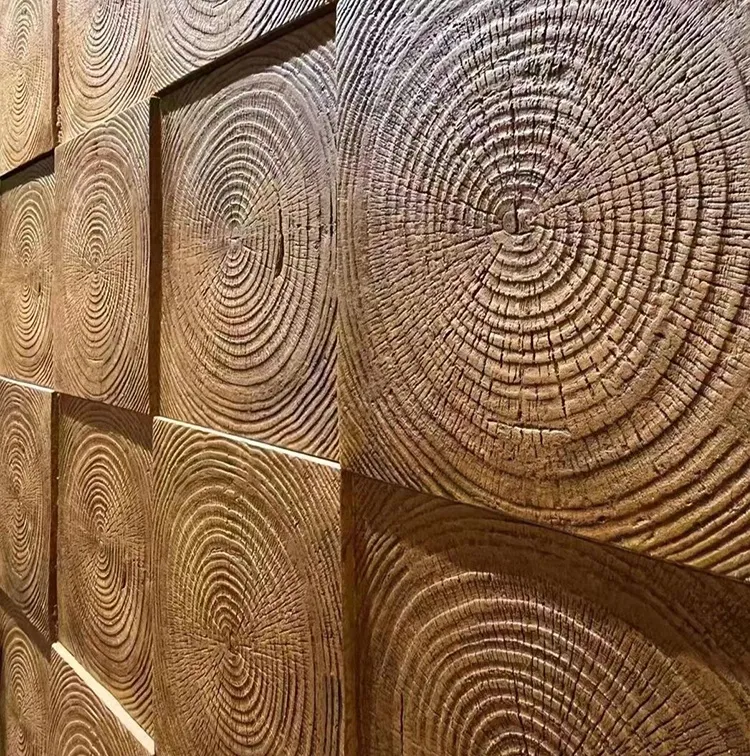
Ancient Chinese and Japanese masters understood this intimacy between space and spirit. Today, their wisdom resurfaces in contemporary interiors where annual ring wood – that beautiful record of a tree's life – becomes more than decoration. It's meditation made tangible.
Consider the humble rock in a Zen garden. To hurried eyes, it's just a stone. But through centuries of refinement, it became a mountain. Or an island. Or a whole philosophy of existence. Buddhist monks would spend hours raking gravel around these stones to create ripples that mirrored water – not because they lacked water, but to teach focus and restraint.
Modern spaces have reclaimed this dialogue. Walk into any high-end Asian-inspired lounge today and notice how they tease the imagination:
The connection isn't accidental. Contemporary designers deliberately borrow the vocabulary of Zen gardens and transform it for enclosed spaces. Where temple builders placed stones, we now position statement furniture. Where monks cultivated deliberate emptiness, we leave breathing room between objects.
Annual ring wood carries its biography in every concentric circle. Each ring tells of rainy seasons and droughts, forest fires and calm years. When used in interiors, it creates instant grounding – like architectural tree rings.
This mindful material application manifests in beautiful ways:
Unlike uniform laminates, annual ring wood boasts "imperfections" that designers celebrate. That dark knot near the edge of a dining table? Proof the tree survived lightning. The wavy grain pattern? A seasonal dance between rain and sun.
Traditional rock placement principles now shape how we combine materials. Imagine:
These combinations don't fight for attention – they converse in quiet harmony.
The Japanese concept of wabi-sabi has profoundly influenced modern design aesthetics. While it resists easy translation, it essentially honors:
Walk through any luxury bamboo charcoal environmentally friendly wallboard showroom in Shanghai or Tokyo, and you'll witness wabi-sabi thinking. Displayed pieces celebrate nail holes, saw marks, and natural color variations – not as flaws but as beauty markers.
Traditional Zen temples contained designated "ma" spaces – deliberate voids permitting energy circulation. Contemporary interpretations transform this principle:
Consider these practical applications:
The resulting layouts don't prescribe movement – they invite discovery.
Zen philosophy engages all senses, creating silent dialogues between materials:
| Material | Sensory Experience | Contemporary Use |
|---|---|---|
| Unpolished wood | Reveals grain texture; warms with touch | Live-edge countertops; textured wall panels |
| Hand-formed clay | Cool density; thumbprints visible | Artisan pendant lights; ceramic basins |
| Linen textiles | Subtle irregularities; softens with time | Slipcovered seating; drapery that filters light |
Notice how these materials age gracefully? They accumulate character rather than deteriorate – embodying Zen acceptance of life cycles.
From minimalist Kyoto apartments to Shanghai lofts, designers translate age-old principles:
A Beijing dining space transformed classic ideas:
Patrons don't just eat here – they drift through edible poetry.
A Tokyo micro-apartment features:
Proving tranquility requires no grand dimensions.
Ready to invite this calm into your surroundings? Begin with these principles:
Material Mind
Choose one dominant material (like oak with strong growth rings) and repeat its texture in varied scales – perhaps a chunky coffee table beside a finely grained screen.
Asymmetrical Balance
Instead of matching end tables, choose complementary companions: one minimalist wood stool, one organic stone side table.
Seasonal Rotation
Like temple gardens altering with months, change your wood accents: raw timber vases in spring, polished root sculptures in winter.
Framed Emptiness
Create "viewing portals" – perhaps a circular cutout in a timber room divider framing a single ceramic piece beyond.
At its core, the Zen of annual ring wood teaches profound respect – for materials carrying ecological stories, for spaces that cradle breath, for imperfections becoming beauty.
These rooms never shout. They whisper tales through wood fibers about enduring, adapting, and finding stillness amid chaos. They offer not escape from life, but immersion in its textured reality.
As you touch that solid wood surface tracing concentric rings like planetary orbits, remember: tranquility isn't found in perfection, but in the graceful acceptance of every season's mark.
Recommend Products












