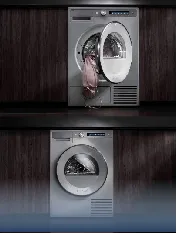
Why Your Washing Machine Door Won't Open
Modern washers are designed with sophisticated door-locking mechanisms that ensure safety during operation but can malfunction. Here's what could be happening:
-
Safety Lock Engagement:
Most machines won't unlock if water remains in the drum or while spinning.
-
Power Interruption:
Sudden power outages can freeze electronic locks in "engaged" position.
-
Mechanical Failure:
Worn latches, broken handles or bent locking pins prevent disengagement.
-
Control Board Malfunction:
Faulty sensors misread water levels or cycle status.
-
Temperature Lock:
High-efficiency models may lock until internal temperatures cool.
Critical Safety First
Before attempting fixes: Unplug your machine! Never force the door – bent components cause permanent damage. Front-loaders with water inside require special precautions to avoid flooding your laundry room.
Emergency Door Unlocking Methods
Work through these solutions from simplest to more advanced:
The Waiting Game
-
Pause the cycle
using your control panel
-
Unplug the machine
from the wall
-
Wait 15-90 minutes
(varies by brand)
-
Listen for the distinctive
"click"
indicating lock release
95% of lockouts resolve this way within 2 hours as residual power drains and mechanisms reset.
Manual Release Tab
-
Locate the emergency access panel (typically near the bottom)
-
Slide a flathead screwdriver into the panel seam
-
Find the brightly-colored pull tab hanging near the lock
-
Firmly tug downward 1-3 inches while pulling the door handle
Warning: Over-pulling can damage the cable. If resistance persists, stop immediately.
Fishing Line Technique
-
Thread 20 inches of nylon fishing line through the door seam
-
Loop completely around the door perimeter
-
Tie ends securely opposite the handle side
-
Pull parallel to the machine face toward yourself
-
Maintain tension while opening the handle
This bypasses broken handles by manually retracting the locking bolt mechanism.
Front-Loader Water Management
-
Place towels and containers around the machine
-
Locate the drain hose behind the machine
-
Place the hose end into a bucket below machine level
-
Unclamp to drain water (may take 10-30 minutes)
-
Check filter access if your model has one
Caution: Never tilt the machine - this can damage suspension systems and create new problems.
Model-Specific Solutions
LG Front-Loaders
-
Press and hold "Spin Speed" + "Temp" buttons simultaneously for 3 seconds
-
"TCL" will display indicating temporary child lock override
-
Some models feature a hidden access cord behind the kickplate
Samsung
-
Unplug machine for 1 minute
-
Plug back in but DO NOT start cycle
-
Press Delay End + Power buttons simultaneously for 7 seconds
-
Try door immediately after second beep
Whirlpool Top-Loaders
-
Remove the top control panel (typically 2-4 screws)
-
Locate the release lever near the door latch area
-
Depress lever while pulling the door upward
Compact Units
Portable and RV washers often feature manual dials. Turn the timer knob fully counter-clockwise to release mechanical locks. For combo washer/dryers, ensure the drum isn't hot before attempting entry.
Preventive Maintenance Checklist
-
Monthly Cleaning:
Wipe door gasket and detergent dispensers with vinegar solution to prevent sticky residue buildup
-
Quarterly Deep Clean:
Run empty hot cycles with washing machine cleaner tablets
-
Balance Checks:
Ensure the machine is perfectly level (use adjustable feet)
-
Latch Lubrication:
Apply silicone lubricant (not oil-based) to locking mechanisms every 6 months
-
Load Management:
Overloading stresses locking mechanisms - follow weight limits
-
Electrical Safety:
Use surge protectors to prevent control board damage from power fluctuations
Recognizing Warning Signs
Watch for these indicators of impending lock failure: Unusual grinding noises during locking, delay between cycle end and unlock click, multiple door slams required to engage lock, or error codes like "dE"/"LOC" on displays. Addressing these early prevents catastrophic failures.
When Professional Help is Essential
Attempt repairs yourself if you hear water sloshing, detect burning smells, or notice door gaps. Always consult appliance technicians for:
-
Electronic control board replacement (requires specialized diagnostics)
-
Motor coupling repairs
-
Main bearing replacements
-
Suspension system failures
-
Any gas-powered dryer combos
The Unbreakable Rule
Never drill, pry, or use excessive force - this typically causes more expensive damage than the original problem. Modern
sanitary ware
like washing machines requires specialized knowledge for safe repairs.
Long-Term Reliability Solutions
Preventive Upgrades
-
Install water leak detectors ($15-50 units that alert before flooding)
-
Add supplemental surge protection beyond standard outlets
-
replace rubber hoses with steel-braided lines (every 5 years)
-
Consider extended warranties for electronic components
Usage Best Practices
-
Always leave the door slightly open when not in use to prevent mildew growth
-
Maintain 4-inch clearance around the machine for ventilation
-
Follow manufacturer cleaning schedules for dispensers and filters
-
Distribute loads evenly regardless of machine type