


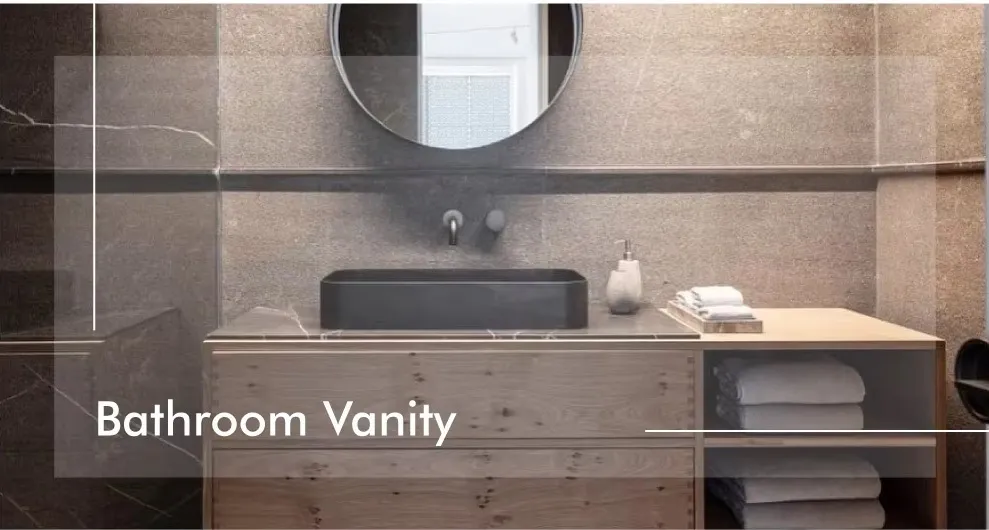
Let's talk luxury bathrooms. When we imagine our dream bathroom, we picture beautiful vanities with gleaming surfaces, elegant fixtures, and that perfect blend of style and function. But what if I told you your dream bathroom could also be kind to the planet? That's exactly where environmentally friendly materials come into play.
Gone are the days when "eco-friendly" meant compromising on luxury. Today's designers have cracked the code – creating stunning high-end vanities that deliver both opulence and sustainability. These innovative materials aren't just about saving trees; they're about creating healthier spaces for you and future generations.
Why Materials Matter in Bathroom Design
When choosing materials for your bathroom vanity, consider more than just appearance. The bathroom is a unique environment. Moisture levels can fluctuate dramatically, temperatures shift, and daily use subjects surfaces to various products. This makes material selection critical – both for durability and for maintaining a healthy indoor environment.
The Hidden Impact
Many don't realize that traditional vanity materials can release volatile organic compounds (VOCs) into the air, especially in enclosed spaces like bathrooms. These chemicals aren't just bad for the planet; they're bad for our health too. Environmentally friendly alternatives help solve this problem at its source.
Top Eco-Friendly Materials for High-End Vanities
Reclaimed Wood
Imagine wood that tells a story – beams salvaged from old barns or planks from decommissioned factories. This isn't just recycled material; it's heritage wood with history in every grain. When crafted into vanities, it brings warmth and character that new wood simply can't replicate.
The real magic happens in the finishing process. Using plant-based oils and natural waxes, this wood develops a stunning patina while staying moisture-resistant. Unlike plastic laminates, it actually improves with age, developing deeper character over time.
Recycled Glass
This is where sustainability sparkles. From recycled bottles to industrial waste, glass gets a glamorous second life. Modern processing techniques create surface slabs with incredible depth and light-reflecting properties. What I love most is the visual versatility.
Depending on how it's processed, recycled glass surfaces can resemble quartzite, marble, or create something entirely unique. The best part? These surfaces resist water, stains, and scratches – perfect for daily bathroom use without demanding chemical cleaners.
Bamboo
Don't underestimate bamboo. This fast-growing grass is a sustainability champion that looks remarkably elegant when finished well. Unlike slow-growth hardwoods, bamboo regenerates quickly, maturing in just 3-5 years. The best makers use only mature bamboo for density and durability.
When treated properly, bamboo develops a Janka hardness rating comparable to oak or maple. The grain patterns are subtler than most hardwoods, offering a minimalist aesthetic that feels both modern and timeless.
Technical Innovations in Sustainable Vanity Design
Beyond material selection, sustainable vanity design incorporates innovative manufacturing techniques:
Water-Based Finishes
These finishes outperform their solvent-based counterparts while eliminating VOC emissions. Advanced formulas cure to harder, more durable surfaces that resist water spots and cleaning products. The finish clarity has improved so much that even experts struggle to distinguish them from traditional lacquers.
Manufacturing processes themselves have become greener. Closed-loop water systems capture and recycle every drop, while waste materials find new life as composite surfaces or insulation. Even dust collection systems are engineered to reclaim microscopic particles.
Durability is the ultimate sustainability feature. Well-crafted vanities using quality materials won't need replacing for decades. That longevity reduces the environmental toll of frequent remodels.
The Luxury Experience of Eco-Vanities
Owners of sustainable vanities consistently mention unexpected benefits. Many note how the materials feel different – warmer to the touch, softer acoustically in the space. There's an emotional satisfaction too, knowing your beautiful bathroom isn't costing the planet.
Contrary to expectations, sustainable doesn't mean minimalist or plain. Designers are combining reclaimed woods with metallic accents, creating integrated lighting that showcases unique grains, and playing with contrasting textures. Many eco-vanities become the focal point of the entire bathroom design.
Maintenance is another pleasant surprise. Natural surfaces tend to show water spots less than high-gloss laminates. Plant-based wax finishes actually improve with regular applications, deepening the luster over time.
Implementing Sustainable Design in Your Bathroom
Transitioning to sustainable vanity design involves thoughtful consideration at each stage:
Design Phase
Work with designers familiar with sustainable materials. They'll help match the right material to your usage patterns, humidity levels, and design goals. This prevents costly compromises later. Consider dimensions carefully too. Custom-sizing reduces waste significantly.
Material Selection
Look for certifications beyond basic claims. FSC (Forest Stewardship Council) certification verifies wood sources. Cradle to Cradle certification examines a product's entire life cycle. Ask specific questions about finishes and adhesives – these often contain more VOCs than the main materials.
Installation
Proper installation makes all the difference. Expansion gaps allow materials to respond to humidity changes. Breathing room around pipes prevents condensation buildup. Qualified installers will use non-toxic adhesives and sealants compatible with your chosen materials.
The future looks bright for sustainable vanity design. We're seeing new materials like lab-grown quartz and stone alternatives created from industrial byproducts. These options deliver the marble aesthetic without mining impacts. Smart vanities are incorporating energy-efficient lighting and water-saving sensors, creating bathrooms that are both beautiful and resource-conscious.
Balancing Beauty with Responsibility
Creating a luxury bathroom shouldn't force us to choose between aesthetics and environmental responsibility. Today's sustainable materials deliver stunning design while conserving resources and promoting healthier indoor environments.
From the rich character of reclaimed wood to the luminous depth of recycled glass surfaces, eco-friendly materials bring unique qualities to bathroom vanities. Technical advances ensure these materials perform exceptionally in demanding bathroom environments.
Ultimately, choosing environmentally friendly vanity materials represents a profound shift in luxury thinking. True luxury today isn't about conspicuous consumption, but about thoughtful stewardship that creates beauty without compromise. Our bathrooms become spaces that nurture both our well-being and the planet's.
As designers continue innovating with materials that regenerate or transform waste into beauty, sustainable choices become increasingly compelling. This new generation of high-end vanity designs proves we don't need to sacrifice our ecological values for beautiful spaces. Instead, we can create bathrooms that inspire us while respecting the world we live in.










