
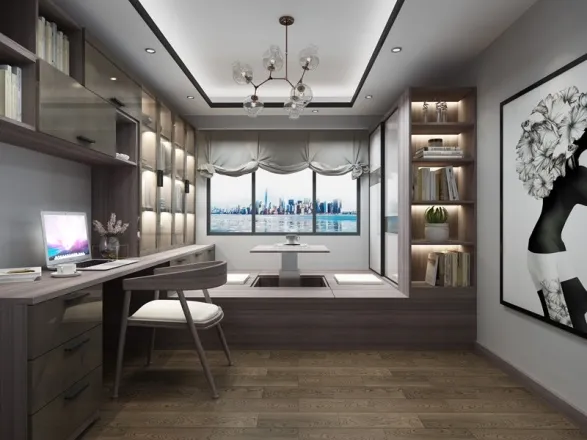
There's something magical about stepping onto a tatami mat. That distinctive scent of igusa grass, the gentle give underfoot, the way it transforms a space into something tranquil and grounded. Once confined to traditional Japanese homes, tatami has gracefully stepped into contemporary interiors worldwide, offering a beautiful counterbalance to our fast-paced, digital lives.
This isn't just about flooring—it's about transforming how we experience space. Tatami brings architectural façade solutions to life through tactile, sensory design that connects us to nature and tradition.
Let's be honest—most modern flooring feels... transactional. Hardwood looks gorgeous but demands constant upkeep. Tile gets chilly. Carpet traps dust. Tatami? It engages all your senses. The moment you enter a tatami room, your posture shifts unconsciously. You slow down. You breathe deeper. There's neuroscience behind this: the slight unevenness of natural materials stimulates proprioception, our body's internal GPS.
Design Tip: Tatami’s insulation properties rival high-tech materials. Tests show tatami retains heat 40% better than hardwood in winter while providing natural cooling in summer. The secret? Those tightly woven igusa reeds create millions of micro-air pockets.
Researchers at Kyoto University found tatami rooms maintain ideal humidity (45-60%) year-round. No more cracked lips in winter or clammy summers. The reeds naturally absorb and release moisture from the air—an ancient solution beating modern dehumidifiers.
Forget the "all-or-nothing" approach. You don't need a full tea-ceremony room. Clever designers are incorporating tatami strategically:
In Tokyo apartments, designers create "tatami terraces"—modular mats on balconies for morning yoga or evening wine. This flexibility shows why tatami remains relevant in micro-spaces.
The classic rice-straw core now has sustainable alternatives perfect for modern homes:
| Material | Best For | Eco-Impact |
|---|---|---|
| Compressed Bamboo | High-humidity areas | Biodegradable, fast-growing |
| Recycled PET Foam | Rental apartments | Diverts plastic from oceans |
| Cork Hybrid | Sound-sensitive rooms | Harvested without tree loss |
Pro Tip: Modern tatami edges now feature discreet antimicrobial copper threading—perfect for households with allergies.
The true magic happens when tatami converses with other design languages. Scandinavian minimalism? Tatami's texture warms up those clean lines. Industrial lofts? Nothing softens concrete better than natural igusa.
Designer Kenzo Takada famously layered tatami under Louis XIV chairs in a Paris penthouse. "It creates conversation," he noted. "Guests curl their toes instinctively, rediscovering childhood comfort."
Modern tatami doesn't demand sitting seiza-style (kneeling). Consider:
Studies in Japanese hospitals reveal tatami rooms reduce patient anxiety scores by 35% compared to standard rooms. Architects attribute this to:
Tech CEOs are installing tatami "reset rooms." As one Silicon Valley designer noted, "No one checks email on tatami. The texture demands presence."
Forget laborious upkeep. Contemporary tatami thrives with simple care:
New coatings allow light spills (think coffee, wine) to bead up for easy wiping. One manufacturer even offers reversible mats—igusa on one side, wool felt on the other for seasonal changes.
Innovations coming soon:
As our homes become smarter, tatami offers an antidote—tangible, imperfect, human. It teaches us that progress doesn't mean abandoning wisdom. When layered thoughtfully within architectural façade solutions, tatami creates sanctuaries where tradition and modernity embrace.
Ultimately, tatami invites us back to our bodies. In a world of screens, that humble woven mat becomes revolutionary—a tactile reminder that some of the best design doesn't shout, but whispers: Breathe. Feel. Be here.
Recommend Products












