
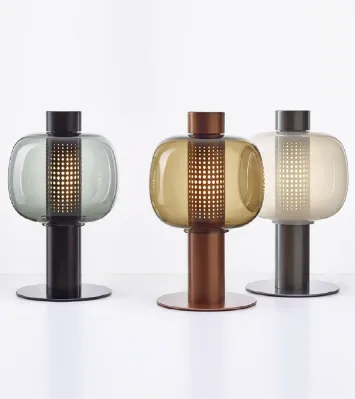
In today's interior design landscape, where minimalist aesthetics often dominate, the humble table lamp emerges as an unexpected hero. More than just a light source, it's a versatile design element that bridges the gap between functionality and artistry. As we create spaces that reflect personality while accommodating smart home appliance solutions, table lamps offer a unique blend of tradition and innovation. They're not merely objects that illuminate corners; they're sculptural pieces that interact with custom furniture, enhance interior decorative wall boards , and transform atmosphere with a simple touch.
Modern homes demand versatile lighting fixtures that serve multiple purposes. While overhead lights provide general illumination, table lamps specialize in creating mood. Their directed light pools in specific areas, inviting relaxation in reading nooks or highlighting cherished decor items. With recent advancements in LED lights , today's table lamps can shift from cool daylight to warm sunset tones, adapting to different activities throughout the day. The strategic placement beside custom furniture pieces like bookshelves or consoles creates visual rhythm in a room.
Consider how a ceramic lamp with linen shade interacts with textured interior decorative wall boards behind it. The light casts fascinating shadows across the surface, transforming flat walls into dynamic canvases. Modern designers exploit this interplay, selecting lamps specifically for how their light affects surrounding surfaces. Materials like interior decorative wall boards with subtle irregularities become particularly enchanting under table lamp illumination.
Contemporary table lamps showcase remarkable material innovation. Beyond traditional ceramics and metals, designers now incorporate elements like bamboo charcoals, recycled plastics, and even 3D-printed biopolymers. These material choices often parallel developments in broader lighting fixtures , creating harmonious collections across ceiling lights, wall sconces, and tabletop illumination. A marble-effect base complements luxury floor materials , while a woven rattan shade echoes natural fiber wall system coverings.
When integrating with custom furniture , table lamps establish crucial relationships. A sculptural lamp base mirrors the curves of an organic-shaped side table, while the color temperature of LED lights can enhance wood tones in handcrafted cabinets. Interior designers often select or commission custom furniture pieces with lamp placement as a key consideration, leaving intentional "light zones" amid carefully curated arrangements.
| Lamp Material | Design Compatibility | Lighting Effect | Smart Features |
|---|---|---|---|
| Matte Ceramics | Minimalist spaces, Scandi decor | Soft diffusion, warm glow | Basic dimming via app |
| Recycled Glass | Coastal themes, eco-design | Sparkling reflections, vibrant patterns | Color-changing RGB |
| Powder-Coated Metal | Industrial lofts, modern offices | Directional illumination, sharp shadows | Voice control integration |
| Sustainable Wood | Rustic lodges, Japandi style | Subtle ambient warmth | Sunrise simulation |
The most groundbreaking evolution involves the integration of smart home appliance solutions. Modern table lamps now feature astonishing capabilities: voice-controlled illumination adjustments, circadian rhythm programming, security features like vacation mode, and energy monitoring. High-quality LED lights form the backbone of these intelligent systems, offering decades of maintenance-free operation while consuming minimal electricity.
Consider how integrated smart lighting fixtures transform modern lifestyles. "Good morning" spoken across the room triggers bedside lamps to gradually brighten, simulating sunrise. After sunset, presence sensors activate pathway lamps just ahead of movement. These features don't require major renovations; accessible through simple table lamps integrated into existing smart networks.
Exceptional lighting design considers table lamps as integral architectural elements rather than afterthoughts. When planning space layouts around custom furniture , consider lamp placement requirements early in the process. The base needs adequate surface space, while the shade requires clearance height. Clever electrical planning includes outlets in unexpected locations – inside drawers, beneath shelving – eliminating cord clutter.
Material coordination proves essential when balancing lamp aesthetics with interior decorative wall boards and flooring. A metallic lamp base might echo finishings in bathroom accessories, creating subtle resonance through multiple rooms. Fabric lamp shades complement upholstered custom furniture while providing textural counterpoint to stone surfaces.
In commercial environments, table lamps transcend strict functionality. Restaurant designers employ lamps to define seating areas within open floor plans, while hotel lobby lamps set distinct moods across conversation zones. The directional light enhances interior decorative wall boards ' textures without overwhelming visitors. Retail spaces strategically place lamps near merchandise displays, utilizing their focused beams to highlight featured products.
Eco-conscious design significantly influences contemporary lighting fixtures. LED technology already reduced energy consumption by up to 90% compared to incandescent bulbs. Forward-thinking manufacturers now adopt cradle-to-cradle approaches using recyclable aluminum, biodegradable resin composites, and paper-based filaments for 3D-printed components. Packaging increasingly utilizes recycled cardboard and plant-based fillers.
The next wave involves true systemic thinking – lamps designed as part of integrated smart home appliance solutions that optimize entire home energy usage. Imagine lamps adjusting brightness based on real-time electricity costs or integrating with solar panel systems to capitalize on stored energy. Modular "grow-as-you-need" lighting systems could reduce resource consumption while enabling personalized expansion.
Material innovation marches forward with surprising developments. Self-cleaning photocatalytic surfaces activated by LED lights maintain lamp appearance without chemicals. Electroluminescent textiles replace traditional lampshades with glowing fabric panels. Experiments with programmable matter even suggest lamps that physically reshape to alter lighting patterns throughout the day.
In our era of smart home appliance solutions and invisible technologies, table lamps endure because they satisfy profound human needs. They provide control over personal space – a small sphere of illumination we govern. Their physical presence offers comforting tangibility in increasingly digital environments. As design elements, they bridge architectural lighting fixtures and intimate human scale like no other light source.
The perfect table lamp accomplishes remarkable feats: it unifies custom furniture arrangements, transforms interior decorative wall boards into nighttime landscapes, and integrates effortlessly into sophisticated smart home systems through responsive LED lights . Beyond illumination, it provides atmosphere, character, and emotional resonance. This unique combination ensures table lamps will continue gracing our interiors long into the future – not as necessary evils, but as cherished companions shaping how we experience space after sunset.
Recommend Products












