
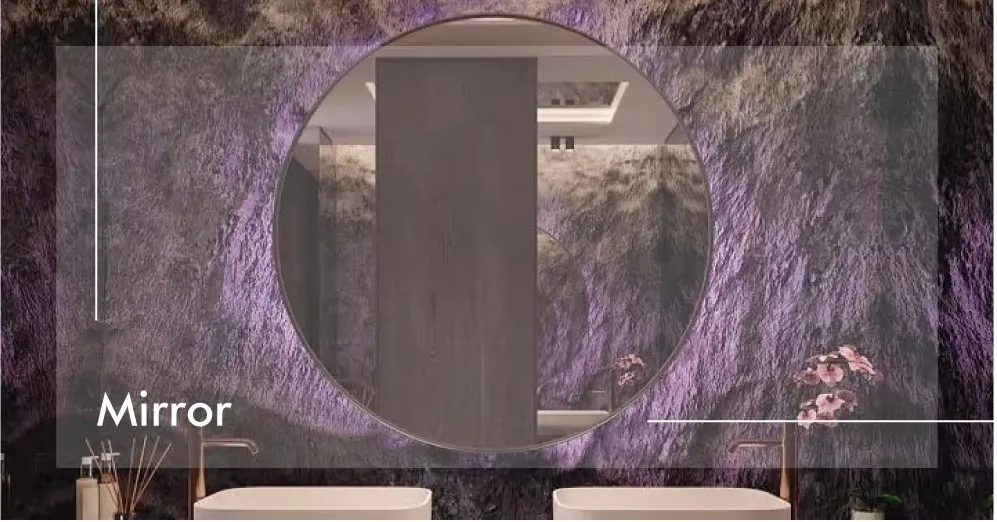
How reflective surfaces transform spaces, elevate moods, and redefine architecture
Ever walked into a room and felt it just clicked? That subtle magic often comes down to one unsung hero: the mirror. It’s not just for checking your hair anymore—modern design has turned mirrors into space-shaping wizards that bring light, depth, and personality to any interior.
We all know mirrors reflect light, but their real power lies in how they reshape our experience of space. A well-placed mirror can turn cramped quarters into airy sanctuaries, transform gloomy corners into sunlit retreats, and elevate ordinary rooms into galleries of light and illusion. Let’s dive into how this ancient invention became modern design’s secret weapon.
Historically, mirrors were exclusive luxuries adorning palaces like Versailles—tools to amplify candlelight and showcase wealth. As glassmaking evolved, they became common household objects largely limited to bathrooms and hallways. But something shifted in contemporary design: mirrors moved from functional necessity to artistic statement.
Think about walking through an Apple Store. Those huge mirrored panels aren’t there by accident. They deliberately create an illusion of space and amplify light, turning a shopping trip into an immersive experience. Architects realized that mirrors could shape environments just as much as walls and windows do.
Got a narrow hallway or a tiny studio apartment? This is where mirrors shine. When placed opposite windows or across limited sightlines, they visually double the space without ripping down walls. The trick? Alignment is everything.
Instead of hanging one lonely piece over the sofa, try flanking a window with tall mirrors to "borrow" exterior views. In minimalist spaces, this creates clean sightlines that trick your brain into seeing double the square footage.
North-facing apartment? No problem. Strategically placed mirrors act like sunlight highways, channeling rays into corners where lamps struggle. Position one opposite your biggest window to flood the room with golden hour magic all day long.
And it’s not just about quantity—it’s quality too. Mirrors filter harsh noon light into soft ambient tones. Many architects now incorporate mirrored ceiling tiles or slivers beside windows to bounce gentle illumination throughout commercial spaces.
“Mirrors are the ultimate design multitaskers—they carve space, amplify architecture, and sculpt light without demanding center stage.”
- Leading Interior Design Journal
We’re seeing a renaissance in creative mirror designs:
Frameless mirrors maintain clean modern lines, while bold frames—think antiqued brass or matte black—anchor rooms like sculptural centerpieces. The material pairing matters too: combining mirrors with raw concrete or warm wood creates visual tension that feels intentional and curated.
Beyond aesthetics, mirrors solve real problems:
That last one’s brilliant—kitchen mirror backsplashes throw light around the busiest part of your home while being effortlessly wipeable. Function meets beauty at its finest.
Your living room deserves a showstopper. Oversized mirrors—whether round, arched, or abstract—act like windows to imagined vistas. Hang one above a fireplace to double-height drama, or pair modern mirrors with rich textural elements like velvet sofas and nubby rugs.
Designer Secret: Match mirror proportions to furniture. A small frame gets lost behind your eight-seater sectional; go bold or go home.
Dining rooms gain elegance with mirrors that reflect candlelight and table settings. Position one opposite your buffet to create depth—your floral arrangement suddenly becomes a visual encore. For parties, this means twice the atmosphere.
Bedrooms need careful mirror placement—no one wants to catch their morning stare unexpectedly! Try these approaches:
Curved edges are especially welcoming in bedrooms—they diffuse sharp reflections while bringing spa-like calm.
Good bathroom lighting starts with mirrors. Today’s options—demisting pads, integrated LEDs, or Bluetooth speakers—transform functional surfaces into smart hubs. For small bathrooms, try a custom backlit mirror that eliminates shadows.
First impressions matter. Entryway mirrors visually expand tight foyers while serving practical needs (goodbye hat hair!). Place them opposite your door to greet guests with borrowed outdoor vistas.
Modern design keeps reinventing mirrors:
Layering deserves special mention—combining different shapes and textures creates kinetic energy. Imagine a sunburst antique beside a sleek rectangle... tension becomes harmony.
Looking for sustainable options? Many designers now use recycled glass embedded in wall panels or concrete-like composite mirrors made from reclaimed materials—where style meets responsibility.
Hanging mirrors well matters more than you’d think:
And when positioning, always ask: "What’s being doubled?" Your favorite reading nook? That gorgeous fiddle-leaf fig? The skyline view? Reflections should enrich, not overwhelm.
Gamechanger Tip: Place mirrors perpendicular to windows rather than directly opposite. This allows light to bounce diagonally across rooms—softer, more dimensional illumination.
Restaurants and retail spaces have long harnessed mirror magic:
For a perfect example, watch how lighting companies display products using mirror-lined walls—the reflective surfaces become part of the experience.
Not all mirrors are created equal:
Custom-cut glass can turn functional surfaces into sculptural installations. Working with manufacturers on irregular shapes—like cloud mirrors or fractal designs—transforms walls into artworks.
At its core, interior design expresses who we are. Mirrors—in all their reflective glory—do something special: they frame our lives. They capture morning coffees, family gatherings, quiet reading moments. When designed intentionally, they become silent narrators of our stories.
So next time you pass that hallway mirror, pause. See beyond your reflection. Notice how it plays with light, opens up space, catches glimpses of your favorite art piece. That ordinary surface is working magic—making your home brighter, bigger, more balanced.
Whether you lean into frameless minimalism or embrace ornate vintage flair, remember: mirrors shape how we feel in our spaces. And really, that’s what great design should do—reflect our best selves.
Inspired by timeless design principles and crafted for contemporary lives—mirrors continue to redefine modern living through light, space, and endless possibility.
One last tip: Consider accenting with decorative mirrors in unexpected places—along stairwells, inside closets, or even nestled among bookshelves. The surprise reflections add layers of depth that make a house truly yours.
Recommend Products












