

Walk into any modern home or commercial space today, and you'll notice something different about the walls. Gone are the days when walls were just plain, functional barriers—now, they're statements. They tell stories, set moods, and reflect the personalities of those who live or work within them. Homeowners, interior designers, and architects alike are on a constant quest to find materials that blend aesthetics with practicality. And in this quest, one solution has been turning heads like no other: PU stone wall panels .
Whether you're a homeowner dreaming of a rustic accent wall in your living room, a restaurant owner aiming to create a cozy, mountain-lodge vibe, or an architect tasked with designing a high-rise façade that stands out, PU stone wall panels have emerged as a game-changer. But what exactly are they? Why are they replacing traditional materials like brick and natural stone in so many projects? And how do you choose the right PU stone wall panel supplier to bring your vision to life? Let's dive in and explore everything you need to know about these innovative building materials.
Let's start with the basics. PU stone wall panels are a type of decorative wall covering made from polyurethane (PU), a durable, lightweight synthetic material. But don't let the word "synthetic" fool you—these panels are designed to mimic the look and texture of natural stone so closely that even experts might do a double-take. Think rough-hewn granite, weathered limestone, or smooth river rock—all recreated with stunning accuracy, but with a host of benefits that natural stone simply can't match.
Here's how they're made: manufacturers mix polyurethane resin with additives like foaming agents, pigments, and reinforcing materials to create a mixture that's poured into molds. These molds are often taken from real stone surfaces, ensuring that the final product captures every nook, cranny, and color variation of the original. Once cured, the panels are lightweight, flexible, and ready to be cut, shaped, or installed just about anywhere.
The result? A wall panel that looks like it was chiseled from a mountainside but weighs a fraction of the real thing. It's no wonder that designers and contractors are calling them "the future of interior decoration materials and exterior decoration materials ."
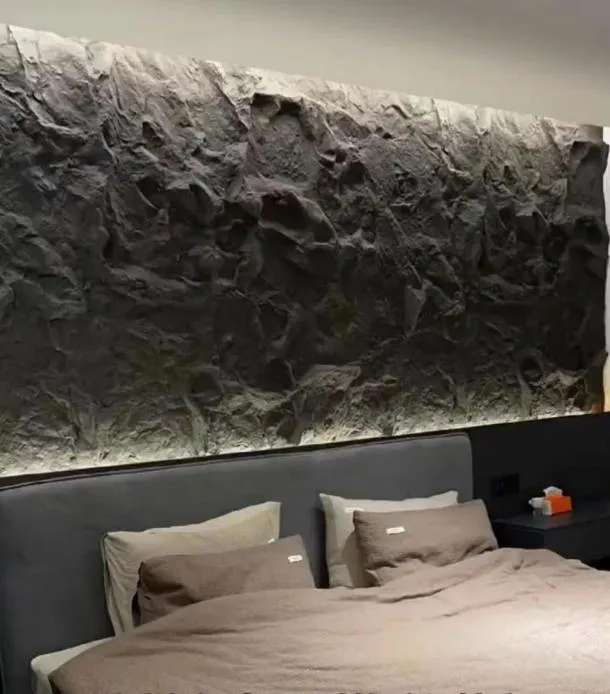
If you've ever tried to install natural stone on a wall, you know the drill: heavy lifting, specialized tools, and a team of professionals to ensure it doesn't crack or fall off. PU stone wall panels, on the other hand, were designed to solve these pain points. Let's break down their most compelling advantages:
Natural stone is gorgeous, but it's also incredibly heavy. A single square foot of granite can weigh 15–20 pounds, which means installing it on an upper floor or in a high-rise building requires extra structural support—and a lot of muscle. PU stone panels? They weigh just 2–4 pounds per square foot. That's light enough for a single person to carry and install, making them a favorite among DIY homeowners and contractors alike. Imagine being able to transform your bedroom accent wall in a weekend, without hiring a crew or renting heavy equipment. That's the convenience PU panels bring to the table.
You might be thinking, "If they're that light, they must be flimsy, right?" Wrong. PU stone panels are surprisingly tough. They're resistant to scratches, dents, and chips—so your wall will stay looking fresh even if the kids throw a ball against it or the dog scratches at it. They're also moisture-resistant, which means they won't rot, warp, or grow mold in humid environments like bathrooms or basements. And unlike natural stone, they don't absorb water, so you won't have to worry about cracks forming when temperatures drop and the water freezes.
Traditional stone installation involves mixing mortar, cutting stone with a wet saw, and carefully aligning each piece to avoid gaps. It's messy, time-consuming, and requires skill. PU stone panels, by contrast, are designed for simplicity. Most panels come with a peel-and-stick backing or can be attached with construction adhesive, and they can be cut with a regular handsaw or jigsaw. No special tools, no messy mortar, no stress. A team of two can cover an entire wall in a matter of hours, not days—saving you time and labor costs.
Natural stone is expensive—both to buy and to install. A high-quality natural stone wall can cost upwards of $50 per square foot, and that's before you factor in the cost of labor and structural reinforcements. PU stone panels, on the other hand, typically range from $10–$25 per square foot, including installation. For homeowners and business owners working with tight budgets, this makes them an attractive alternative that doesn't compromise on style.
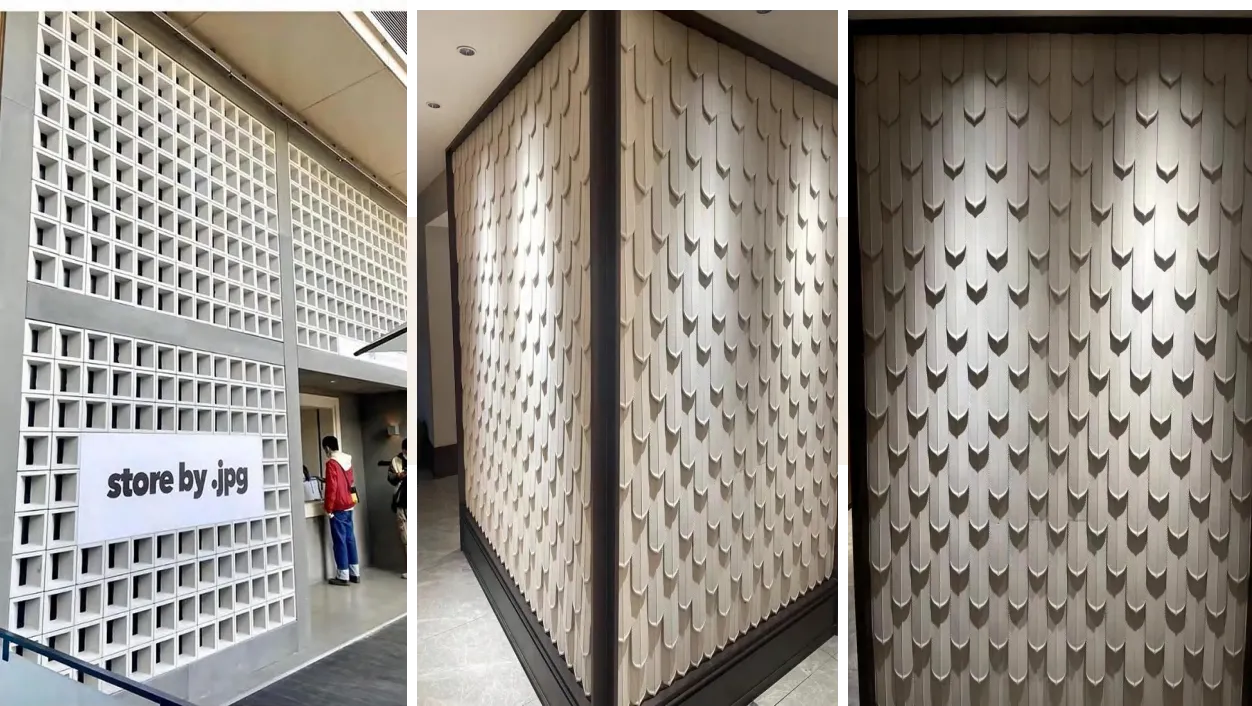
One of the biggest perks of PU stone panels is their flexibility in design. Want a medieval castle vibe in your home theater? Go for rough, gray stone panels. Prefer a beachy, coastal look in your bathroom? Opt for smooth, whitewashed panels that mimic weathered sandstone. Suppliers offer panels in a wide range of colors, textures, and sizes, and many even offer custom designs. You can mix and match styles to create a unique accent wall, or use them to cover an entire room for a cohesive look. The possibilities are endless.
Still not convinced? Let's put PU stone wall panels head-to-head with some of the most common traditional wall materials. The table below breaks down the key differences in terms of weight, cost, durability, and more:
| Feature | PU Stone Wall Panels | Natural Stone | Brick | Wood Paneling |
|---|---|---|---|---|
| Weight (per sq ft) | 2–4 lbs | 15–20 lbs | 10–12 lbs | 3–5 lbs |
| Installation Time | Hours (DIY-friendly) | Days (requires pros) | Days (requires mortar) | Half a day (with tools) |
| Cost (materials + labor) | $10–$25/sq ft | $50–$100+/sq ft | $20–$35/sq ft | $15–$40/sq ft |
| Durability | Resistant to scratches, moisture, and UV rays | Prone to chipping; porous (absorbs water) | Durable but prone to cracking in cold weather | Prone to rot, warping, and insect damage |
| Maintenance | Wipe with a damp cloth; no sealing needed | Seal every 1–2 years; stain removal is difficult | Repointing needed every 10–15 years | Stain, paint, or seal every 3–5 years |
| Aesthetic Options | Wide range (mimics any stone type, custom colors) | Limited by natural availability | Limited colors (red, brown, gray) | Wood species and stains, but less stone-like |
As you can see, PU stone panels outperform traditional materials in almost every category—especially when it comes to cost, installation ease, and low maintenance. The only area where they might fall short? If you're dead set on using 100% natural materials for environmental or aesthetic reasons. But for most projects, the benefits far outweigh this minor drawback.
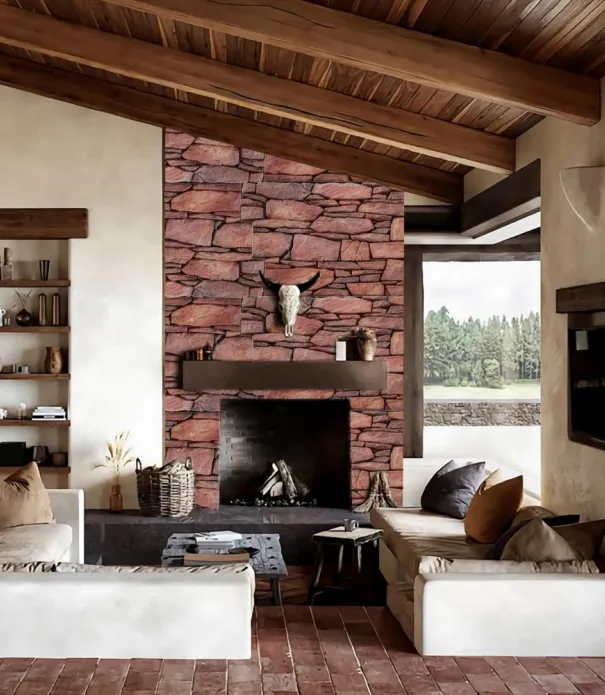
One of the things that makes PU stone wall panels so popular is their versatility. They work equally well in interior and exterior projects, and they're suitable for both residential and commercial spaces. Let's take a closer look at some of the most common applications:
Inside the home, PU stone panels are a favorite for creating accent walls that become the focal point of a room. Imagine walking into a living room with a rough-stone PU panel wall behind the TV—suddenly, the space feels cozy and inviting, like a cabin in the woods. Or picture a bedroom with a smooth, light-colored stone accent wall behind the bed, adding texture without overwhelming the space.
But they're not just for accent walls. Many homeowners use them to cover entire rooms, like basements or home offices, to add warmth and character. They're also a hit in kitchens and bathrooms, thanks to their moisture resistance. A kitchen backsplash made of PU stone panels can mimic the look of expensive natural stone without the risk of staining from oil or food spills. In bathrooms, they add a spa-like feel—think a shower surround or a wall behind the vanity that looks like river rock, but won't mold or mildew.
Commercial spaces are getting in on the action too. Restaurants use PU stone panels to create rustic, farm-to-table vibes, while hotels use them in lobbies to make guests feel like they've stepped into a luxury mountain resort. Even offices are using them to add texture to break rooms or reception areas, making the space feel less sterile and more welcoming.
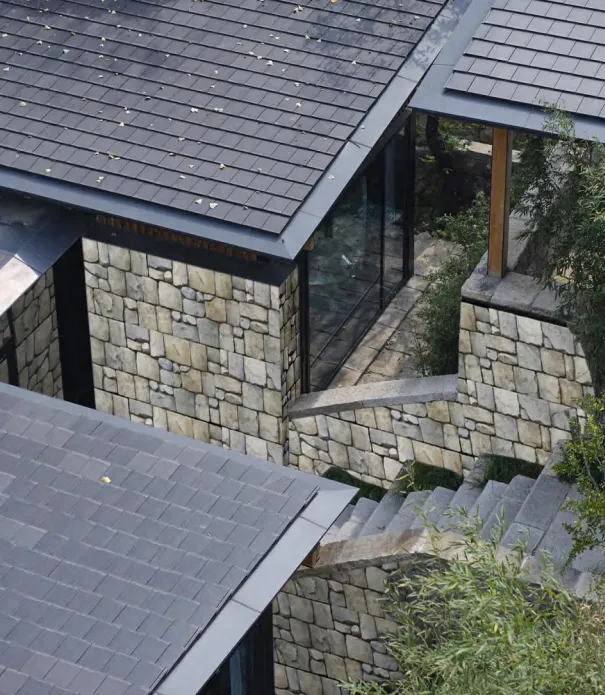
When it comes to exteriors, PU stone wall panels are revolutionizing architectural façade solutions . Traditional stone façades are heavy, expensive, and require significant structural support—limiting their use to low-rise buildings or wealthy clients. PU stone panels, being lightweight, can be used on just about any building, from single-family homes to high-rise apartments. They add instant curb appeal, making your home or business stand out in a neighborhood of plain brick or vinyl-sided buildings.
But exteriors aren't just about looks—they're about durability. PU stone panels are designed to withstand the elements, including rain, snow, UV rays, and extreme temperatures. They won't fade in the sun, crack in the cold, or warp in the heat, making them ideal for outdoor use. Common exterior applications include:
One contractor we spoke to recently used PU stone panels to renovate the façade of a 1970s apartment building. "The original brick was crumbling, and the wanted something that looked classic but didn't require a full structural overhaul," he said. "PU stone panels were the perfect solution. We installed them over the existing brick in just a week, and now the building looks brand new. The couldn't be happier."
Okay, so you're sold on PU stone wall panels. Now comes the next big question: where do you buy them? With so many suppliers on the market, it can be tempting to go with the cheapest option—but that's a mistake. The quality of PU stone panels varies widely from supplier to supplier, and a low-quality panel can warp, fade, or peel after just a few years. To ensure your project is a success, you need to choose a reliable, experienced PU stone wall panel supplier that prioritizes quality and customer service.
Here are a few things to look for when shopping around:
A good supplier will have strict quality control processes in place to ensure every panel meets high standards. Ask about their manufacturing process: Do they use high-quality polyurethane resin? Do they test panels for durability, moisture resistance, and UV stability? Can they provide samples so you can see and feel the product before you buy?
Every project is unique, and you don't want to be limited by a supplier's pre-made designs. Look for a supplier that offers custom colors, textures, and sizes. Some suppliers even allow you to send in a sample of the stone you want to replicate, and they'll create a mold specifically for you. This is especially important for commercial projects or high-end residential builds where design is a top priority.
Installing PU stone panels is easier than installing natural stone, but that doesn't mean you won't have questions. A good supplier will offer technical support, including installation guides, video tutorials, and access to experts who can answer your questions. Some even offer on-site support for large projects, ensuring the installation goes smoothly.
Do your research before choosing a supplier. Read online reviews, ask for references, and check their track record. How long have they been in business? Do they have experience working with residential or commercial clients (or both)? Can they meet your timeline? A supplier with a good reputation is more likely to deliver on their promises and stand behind their products.
When it comes to residential building materials supplier or commercial building materials supplier specializing in PU stone panels, look for one that understands your unique needs. For example, a residential supplier might focus on small orders and DIY-friendly products, while a commercial supplier might specialize in large-scale projects and custom solutions. Choose one that aligns with your project type and size.
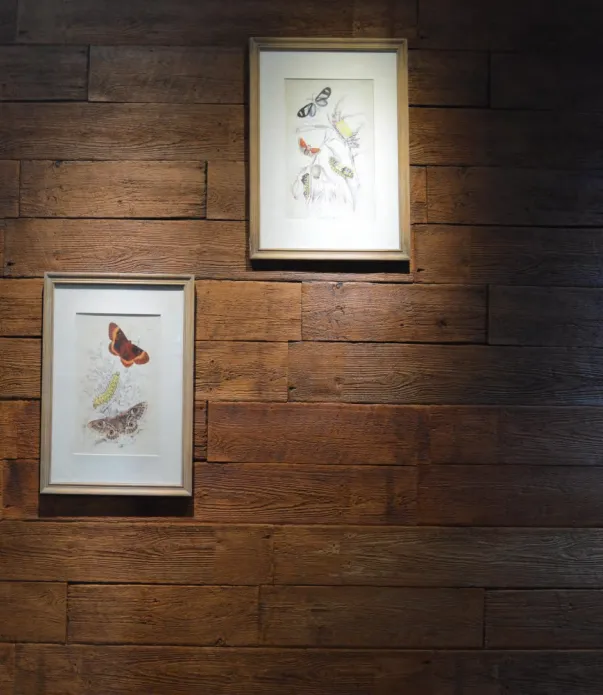
At the end of the day, PU stone wall panels aren't just a trend—they're a smarter, more efficient way to build beautiful, durable walls. They offer the best of both worlds: the timeless look of natural stone, with the affordability, ease of installation, and low maintenance of modern synthetic materials. Whether you're a homeowner looking to upgrade your living room, a designer working on a commercial project, or a contractor searching for a better building material, PU stone panels are worth considering.
The key is to do your research, choose a reputable PU stone wall panel supplier , and don't be afraid to get creative. With so many styles and customization options available, you're sure to find a panel that fits your vision and budget. So why wait? Start exploring your options today, and get ready to transform your walls from ordinary to extraordinary.
Recommend Products











