Walls are more than just dividers—they're the canvas of our spaces. They set the mood, reflect our style, and even influence how we feel in a room. In recent years, homeowners and designers alike have been on the hunt for wall solutions that blend durability, beauty, and practicality. Enter WPC wall panels: a modern marvel that's redefining interior and exterior decoration. Whether you're sprucing up your living room, revamping a commercial space, or simply curious about the latest in building materials, this guide will walk you through everything you need to know about WPC wall panels—from what they are to how to choose the right supplier for your project.
What Exactly Are WPC Wall Panels?
Let's start with the basics. WPC stands for Wood Plastic Composite, a clever blend of natural wood fibers and recycled plastic polymers (think polyethylene or polypropylene). The result? A material that marries the best of both worlds: the warm, organic look of wood and the rugged resilience of plastic. Unlike traditional wood panels that warp, rot, or attract pests, WPC panels are engineered to stand up to the chaos of daily life—whether that's a busy family home with kids and pets or a high-traffic restaurant where spills and scuffs are par for the course.
You might be surprised to learn that WPC isn't new. It first gained traction in the 1990s as a sustainable alternative to hardwood decking, but over the years, manufacturers have refined the formula, expanding its use to wall panels, flooring, and even furniture. Today, it's a staple in the toolkit of interior decoration materials, loved by architects, designers, and DIY enthusiasts for its versatility and reliability.
Why WPC Wall Panels Are Taking the Design World by Storm
So, what makes WPC wall panels so special? Let's break down the benefits that have interior designers and commercial building materials suppliers singing their praises:
-
Durability That Stands the Test of Time
: Imagine hanging a gallery wall in your hallway—you don't want to worry about nicks from picture frames or dents from a stray soccer ball. WPC panels are scratch-resistant and impact-resistant, making them ideal for busy spaces. Unlike solid wood, they won't split or crack with temperature changes, and unlike pure plastic, they don't fade easily under sunlight. Many suppliers back their panels with 10-15 year warranties, a testament to their longevity.
-
Moisture Resistance: A Bathroom and Kitchen Game-Changer
: Bathrooms and kitchens are tricky spots for wall materials. Steam, splashes, and humidity can turn traditional drywall into a breeding ground for mold. WPC? It laughs in the face of moisture. Thanks to its plastic component, it doesn't absorb water, making it a top choice for shower surrounds, backsplashes, or even outdoor patios. I once helped a friend redo her bathroom with WPC panels—two years later, they still look brand-new, no peeling or discoloration in sight.
-
Low Maintenance, High Style
: Let's be real: who has time for fancy cleaning routines? WPC panels are a dream for busy folks. A quick wipe with a damp cloth and mild soap is all it takes to keep them looking fresh. No sanding, staining, or sealing required—unlike wood, which demands regular upkeep. This low-maintenance factor is why many flooring suppliers (yes, WPC is also a popular flooring material!) recommend it for both homes and businesses.
-
Eco-Friendly Credentials
: If sustainability is important to you, WPC checks that box too. Most panels are made with recycled wood fibers and plastic, diverting waste from landfills. Plus, since they're durable, they reduce the need for frequent replacements, lowering your carbon footprint over time. Many suppliers even use eco-friendly adhesives and finishes, making the entire product line greener.
-
Aesthetic Versatility for Every Taste
: Whether you love the cozy charm of rustic wood, the sleek look of modern minimalism, or the bold patterns of bohemian design, there's a WPC panel for you. Suppliers offer endless options: wood grain textures that mimic oak, maple, or walnut; solid colors in soft neutrals or vibrant hues; even 3D textured panels that add depth to a room. You can paint them too, though most people fall in love with the factory finishes.
-
Cost-Effective in the Long Run
: While WPC panels might have a slightly higher upfront cost than basic drywall or plywood, they pay off over time. Their durability and low maintenance mean you won't be shelling out for repairs or replacements every few years. For commercial spaces, this is a big win—imagine a retail store that doesn't need to repaint or replace walls after a busy holiday season. That's the kind of value a smart commercial building materials supplier highlights.
Exploring the Types of WPC Wall Panels
Not all WPC panels are created equal. Depending on your project, you'll want to choose the right type. Here's a breakdown of the most common varieties, along with their best uses:
|
Type of WPC Panel
|
Key Features
|
Best For
|
Supplier Tip
|
|
Wood Grain WPC Panels
|
Embossed with realistic wood textures and colors (oak, pine, teak, etc.). Available in planks or sheets.
|
Residential living rooms, bedrooms, accent walls. Creates a warm, natural vibe.
|
Ask suppliers for samples to check grain detail—high-quality panels have deep, lifelike textures.
|
|
Solid Color WPC Panels
|
Smooth or slightly textured finish in bold or neutral solid colors (white, gray, black, navy, etc.).
|
Modern or minimalist spaces, commercial offices, retail backdrops. Pairs well with art or statement furniture.
|
Opt for matte finishes to reduce glare in rooms with lots of natural light.
|
|
3D Textured WPC Panels
|
Raised patterns like geometric shapes, waves, or abstract designs. Add depth and visual interest.
|
Feature walls, hotel lobbies, restaurant ceilings. Great for creating focal points.
|
Measure your wall carefully—some 3D designs require precise alignment during installation.
|
|
Outdoor-Grade WPC Panels
|
Thicker (6-12mm) with added UV inhibitors and weather-resistant coatings.
|
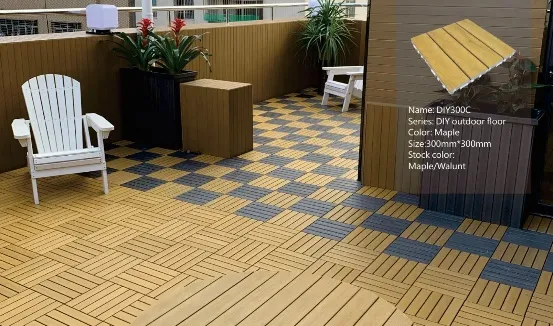
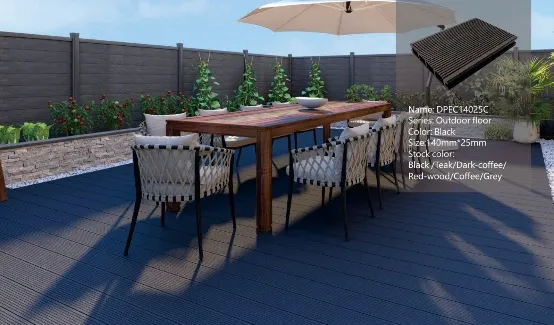
Patio walls, garden fences, exterior accent walls. Withstands rain, snow, and direct sunlight.
|
Ensure the supplier specifies "outdoor-grade"—indoor panels may not hold up outside.
|

Where to Use WPC Wall Panels: From Homes to High-Rises
WPC's adaptability means it shines in just about every space. Let's explore how it's transforming both residential and commercial projects:
Residential Spaces: Making Houses Feel Like Homes
In homes, WPC panels are all about creating cozy, stylish environments that can keep up with family life. Here are a few popular spots:
-
Living Rooms
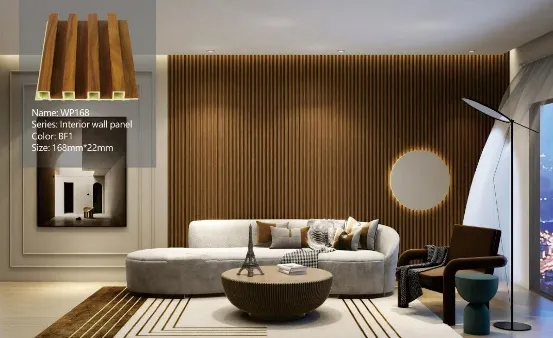
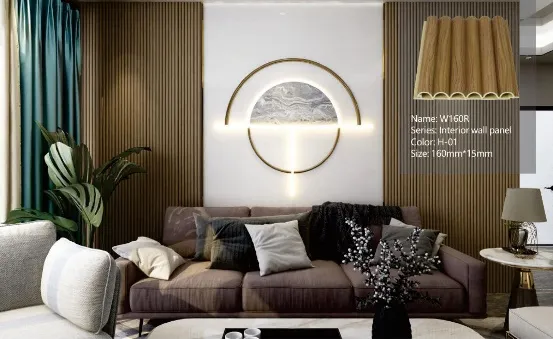
: An accent wall behind the TV or fireplace adds warmth without overwhelming the space. I recently saw a living room with walnut-grain WPC panels paired with a neutral sofa and brass decor—it felt like a page out of a design magazine.
-
Bedrooms
: Soft, muted WPC panels (think light oak or whitewash) create a calming atmosphere. They're also a great alternative to wallpaper, which can peel in humid climates.
-
Bathrooms
: As mentioned earlier, their moisture resistance makes them perfect for shower walls or vanity backsplashes. Pair with stone-look porcelain tiles for a spa-like feel.
-
Home Offices
: A sleek, solid-color WPC panel wall can make video calls feel more professional, while a textured design adds personality to a creative workspace.
Commercial Spaces: Durability Meets Design
Commercial building materials suppliers know that businesses need materials that can handle heavy foot traffic, frequent cleaning, and constant use. WPC panels deliver on all fronts:
-
Restaurants and Cafes
: From fast-casual joints to upscale eateries, WPC panels stand up to food spills, grease, and the wear and tear of busy service. A local bistro near me used black WPC panels on their walls—they hide stains well and give the space an industrial-chic vibe.
-
Retail Stores
: Changing displays? No problem. WPC panels are easy to drill into (for hanging shelves or signage) and won't show marks from rearrangements. Many clothing stores use them for fitting room walls, thanks to their durability.
-
Offices
: Open-concept offices or meeting rooms benefit from WPC's sound-dampening properties (yes, they reduce echo!). Plus, they're easy to clean, a must in shared spaces.
-
Hotels and Gyms
: High-traffic areas like hotel lobbies or gym changing rooms need materials that look good and last. WPC panels check both boxes, and their resistance to moisture makes them ideal for poolside areas.
You've decided WPC is the way to go—now, how do you find a supplier you can trust? Not all suppliers are created equal, and the right one will do more than just sell you panels; they'll offer solutions that fit your project's unique needs. Here's what to look for:
-
Quality First: Check Certifications and Samples
: A reputable wpc wall panel supplier will be happy to share certifications (like ISO, CE, or GREENGUARD for low chemical emissions). Ask for physical samples too—hold them, feel the texture, and test them with a drop of water to check moisture resistance. If a supplier hesitates to provide samples, that's a red flag.
-
Range of Solutions, Not Just Products
: The best suppliers don't just sell panels—they offer wpc wall panel solutions. That means helping you choose the right type for your space, providing technical support for installation, and offering after-sales service if issues arise. For example, if you're unsure whether indoor or outdoor panels are best for your sunroom, a good supplier will walk you through the pros and cons.
-
Customization Options
: Every project is unique. Maybe you need panels in a specific shade of blue to match your brand, or extra-thick panels for a high-impact accent wall. Look for suppliers who offer customization—whether it's color, size, or texture. Some even provide digital printing for custom patterns.
-
Transparent Pricing and Lead Times
: No one likes hidden fees or delayed deliveries. A reliable supplier will give you a clear quote upfront, including shipping costs, and set realistic timelines for production and delivery. If you're working on a tight deadline (like a restaurant opening), make sure they can meet your schedule.
-
Customer Reviews and References
: Do your homework. Check online reviews, ask for references from past clients, and even visit projects they've supplied. A quick Google search can reveal a lot—look for consistent praise for product quality and customer service.
Remember, a good supplier is a partner. They'll listen to your needs, answer your questions, and guide you through the process, making your project run smoother from start to finish.
Installing WPC Wall Panels: A DIY-Friendly Project
WPC wall panels are surprisingly easy to install, even if you're not a pro. Many homeowners tackle small projects (like an accent wall) themselves, while larger commercial jobs might require a contractor. Here's a basic overview of the process:
-
Prep the Wall
: Start with a clean, flat surface. Remove any wallpaper, nails, or debris, and fill in cracks with spackle. If the wall is uneven, you may need to install furring strips (thin wooden boards) to create a level base.
-
Measure and Cut
: Measure your wall dimensions carefully, then mark and cut the panels to size using a circular saw or jigsaw (a fine-tooth blade works best). Always cut in a well-ventilated area and wear safety gear (goggles, gloves, a dust mask).
-
Install the Panels
: Most WPC panels click together like puzzle pieces (thanks to tongue-and-groove edges) or attach with adhesive. For adhesive installation, apply a strong construction adhesive to the back of the panel, then press it firmly against the wall, using a level to ensure it's straight. For larger panels, you may need to use finishing nails or screws (countersink them and fill with wood filler for a seamless look).
-
Finishing Touches
: Once all panels are up, install trim (like baseboards or crown molding) to cover gaps and edges. Wipe down the panels with a damp cloth to remove any dust or adhesive residue.
Common mistakes to avoid? Rushing the prep work (uneven walls lead to wonky panels!) and forgetting to leave a small gap (about 1/4 inch) at the top and bottom for expansion—WPC expands slightly with temperature changes, and that gap prevents buckling.
Caring for Your WPC Wall Panels: Long-Term Love
We've touched on maintenance, but let's dive deeper into keeping your panels looking their best for years to come:
-
Daily Cleaning
: Stick to mild soap and water—avoid harsh chemicals like bleach or abrasive cleaners, which can damage the finish. A microfiber cloth or soft sponge works best.
-
Handling Scratches
: Minor scratches can often be buffed out with a soft cloth and a bit of furniture polish (test in an inconspicuous spot first). For deeper scratches, contact your supplier—some offer touch-up kits.
-
Sunlight Exposure
: While WPC is fade-resistant, prolonged direct sunlight can cause slight discoloration over time. If your panels are near a south-facing window, consider using curtains or blinds during peak hours.
-
Heavy Objects
: Want to hang a large mirror or TV? Use wall anchors and screws that go through the panel and into the wall studs—this prevents the panel from sagging or pulling away.
WPC vs. Other Wall Panel Materials: How Does It Stack Up?
WPC is great, but it's not the only player in the game. Let's compare it to other popular interior decoration materials to help you decide if it's right for your project:
-
WPC vs. Solid Wood
: Wood has timeless charm, but it's high-maintenance (staining, sealing, pest control) and prone to warping. WPC offers a similar look with none of the hassle, plus it's more affordable in the long run.
-
WPC vs. PVC Panels
: PVC is moisture-resistant and cheap, but it can feel flimsy and lacks the warmth of WPC. WPC is more rigid, has better sound absorption, and looks more natural.
-
WPC vs. MCM Flexible Cladding
: MCM (Metal Composite Material) is sleek and modern, ideal for exteriors, but it's heavier and more expensive than WPC. WPC is lighter, easier to install, and better for indoor spaces where warmth is key.
-
WPC vs. Bamboo Charcoal Board
: Bamboo charcoal boards are eco-friendly and have natural odor-absorbing properties, but they're less moisture-resistant than WPC. They're a great choice for bedrooms but not ideal for bathrooms or kitchens.
The Future of WPC Wall Panels: What's Next?
As demand for sustainable, low-maintenance materials grows, WPC wall panels are only getting better. Manufacturers are experimenting with new formulas, adding ingredients like bamboo fibers or recycled rubber for extra strength, and developing panels with enhanced fire resistance (a big plus for commercial spaces). We're also seeing more innovative designs, from panels that mimic rare stones to those with integrated LED lighting.
Suppliers are evolving too, moving beyond one-size-fits-all products to offer more personalized wpc wall panel solutions. Imagine ordering panels that match your brand's Pantone color or feature a custom pattern—this level of customization is becoming more accessible, even for small projects.
Final Thoughts: Transform Your Space with WPC Wall Panels
WPC wall panels aren't just a trend—they're a smart, stylish solution for anyone looking to upgrade their space without sacrificing durability or sustainability. Whether you're a homeowner refreshing your living room, a business owner revamping a storefront, or a designer hunting for the perfect material, WPC offers the best of both worlds: beauty and brawn.
Remember, the key to a successful project is partnering with the right wpc wall panel supplier—one that understands your vision and offers solutions tailored to your needs. With the right panels and a little creativity, you can turn any wall into a statement piece that stands the test of time.
So, what are you waiting for? Dive into the world of WPC wall panels and start imagining (oops, scratch that—start planning!) the space of your dreams. Your walls will thank you.













