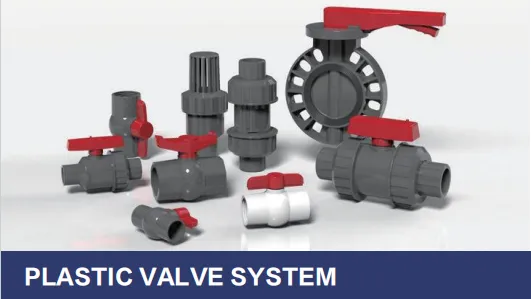
When you're knee-deep in a commercial building project, managing a municipal water supply system, or overseeing a manufacturing facility, the last thing you need is a plastic valve system failure. A single faulty valve can trigger leaks, disrupt operations, and even compromise safety—costing you time, money, and your reputation. That's why sourcing reliable plastic valve system solutions isn't just a procurement task; it's a critical investment in your project's success. But with so many suppliers claiming to offer "top-quality" products, how do you separate the trustworthy partners from the ones that'll leave you scrambling for fixes later? This checklist breaks down the key steps to ensure you're choosing a plastic valve system supplier that delivers on quality, compliance, and long-term value.
1. Start by Defining Your Project's Unique Needs
Why it matters:
Plastic valve systems aren't one-size-fits-all. A valve designed for residential plumbing won't cut it in a chemical processing plant, just as a low-pressure valve might fail in a high-rise building's water distribution network. Skipping this step is like buying shoes without knowing your size—you'll end up with a poor fit that causes problems down the line.
What to do:
Start by mapping out the specifics of your application:
-
Fluid type:
Are you handling potable water, wastewater, corrosive chemicals, or hot liquids? For example, if your project involves upvc pipes (a common choice for drainage and water supply), you'll need valves compatible with UPVC's chemical resistance and temperature limits.
-
Pressure and temperature ratings:
Note the maximum operating pressure (bar/PSI) and temperature range your system will endure. A valve rated for 10 bar won't hold up in a system pushing 16 bar, even if it's marketed as "durable."
-
Size and connection type:
Will the valves need to fit with existing pipes, like PPR pipes from your trusted ppr pipe and fitting supplier? Mismatched diameters or thread types can lead to leaks, so share your pipe specs with potential suppliers early.
-
Regulatory requirements:
If you're working in Saudi Arabia, for instance, your plastic valve system solutions must comply with local standards (e.g., SASO certifications for building materials). For hospitals or schools, Class A fireproof ratings (like those required for CPL inorganic boards) might extend to valve materials in certain zones.
Pro tip:
Create a one-page "needs document" summarizing these details. Share it with suppliers upfront to filter out those who can't meet your requirements—saving you hours of back-and-forth.
2. Vet the Supplier's Credentials (Don't Just Take Their Word for It)
Why it matters:
Anyone can call themselves a "plastic valve system supplier," but experience and accountability separate the pros from the fly-by-night operations. A supplier with a track record of serving your industry is far less likely to cut corners than one that dabbles in dozens of product categories without specialization.
What to do:
Dig into the supplier's background with these questions:
-
How long have they specialized in plastic valve systems?
Look for suppliers with at least 5–10 years of focused experience. A company that's been around since the 2000s and has weathered market changes is more likely to prioritize quality over quick profits.
-
Do they have relevant certifications?
Reputable suppliers will hold ISO 9001 (quality management) or ISO 14001 (environmental management) certifications. For critical applications, check if their products meet industry-specific standards like ASTM D2466 (for PVC valves) or EN 12201 (for plastic piping systems).
-
Can they provide references from clients in your industry?
A supplier might claim to work with "major construction firms," but ask for case studies or direct contacts. When you reach out to references, ask: "Did their plastic valve system solutions perform as promised? How responsive were they when issues arose?"
-
Are they transparent about their manufacturing process?
Avoid suppliers that vague about where or how their valves are made. A reliable partner will let you tour their facility (virtually or in-person) or share quality control reports, showing they stand behind their production standards.
3. Inspect Product Quality Like a Pro
Why it matters:
A plastic valve might look sturdy on the outside, but subpar materials or shoddy craftsmanship can lead to cracks, warping, or seal failures over time. In 2023, a UAE-based construction project reported $200,000 in damages after plastic valves from an unvetted supplier leaked, flooding three floors of a commercial building. Don't let that be you.
What to do:
Demand proof of quality through:
-
Material testing reports:
Ask for certificates of analysis (COAs) showing the raw materials used (e.g., virgin PVC vs. recycled plastic, which can be weaker). Reputable suppliers will test for tensile strength, impact resistance, and chemical compatibility.
-
Performance testing data:
Request results from pressure tests (burst pressure, hydrostatic pressure), leak tests, and endurance tests (how the valve holds up after 10,000+ cycles). For example, a valve claiming to be "leak-proof" should have data proving it can maintain a seal at 150% of its rated pressure for 1 hour.
-
Visual inspections:
If possible, examine samples. Check for rough edges, inconsistent coloring (a sign of poor material mixing), or misaligned components. Even small defects, like a cracked O-ring groove, can cause leaks.
|
Quality Check
|
Red Flag
|
Green Flag
|
|
Material certification
|
Supplier can't provide COAs or vague about material sourcing
|
COAs include batch numbers, test dates, and compliance with ASTM/ISO standards
|
|
Pressure testing
|
Tests only conducted "in-house" with no third-party verification
|
Independent lab reports confirming burst pressure exceeds your system's requirements by 50%
|
|
Visual inspection
|
Visible mold marks, uneven edges, or loose handles
|
Smooth surfaces, tight component fit, and clear branding/stamping with specs
|
4. Ensure Compliance with Local and Global Standards
Why it matters:
Regulatory compliance isn't optional—it's a legal and safety necessity. Using non-compliant plastic valve systems can result in project delays (if inspectors reject your work), fines, or even liability if a failure causes harm. For example, in Saudi Arabia, the Saudi Standards, Metrology, and Quality Organization (SASO) mandates strict testing for building materials, including plastic valves used in water systems.
What to do:
-
Map local regulations:
Research the standards governing your industry. For healthcare facilities, valves might need to meet Class A fireproof requirements (similar to the cpl inorganic boards used in hospitals). For drinking water systems, look for certifications like NSF/ANSI 61 (for lead-free compliance).
-
Ask for compliance certificates:
A trustworthy plastic valve system supplier will have certifications from recognized bodies (e.g., ISO, SASO, NSF) specific to your region. Don't accept "we follow standards" as an answer—get copies of the actual certificates.
-
Check for traceability:
Can the supplier track each valve back to its batch, manufacturing date, and testing results? This is critical if a recall or audit occurs.
5. Evaluate Technical Support and Customization Capabilities
Why it matters:
Even the best off-the-shelf valves might not fit your project's unique challenges. Maybe you need a valve with a port configuration to connect to both UPVC and PPR pipes, or a custom actuator for automated control. A supplier that can't adapt will leave you compromising on performance—while one with strong technical support will turn your "problem" into a tailored solution.
What to do:
-
Test their technical knowledge:
Ask detailed questions about your application (e.g., "How would your valve perform in a system with frequent pressure spikes?"). A knowledgeable supplier will provide specific answers, not generic sales pitches. For example, if you're using PPR pipes (known for hot water systems), they should explain how their valves' seals and materials handle 95°C+ temperatures.
-
Inquire about customization:
If your project needs non-standard sizes, materials, or features, ask if they offer custom solutions. A supplier with in-house engineering teams can often modify designs within 2–4 weeks, while others might force you to choose from limited catalog options.
-
Check for on-site support:
Will they send a technician to help with installation or troubleshooting? This is especially valuable for complex systems, like those in industrial plants or large commercial buildings.
6. Analyze Cost vs. Long-Term Value (It's Not Just About Price)
Why it matters:
It's tempting to choose the cheapest plastic valve system supplier to cut costs—but "cheap" often means sacrificing quality. A valve that costs 30% less upfront might fail in 2 years, requiring replacement and repairs that dwarf the initial savings. On the flip side, overpaying for features you don't need (e.g., a corrosion-resistant valve for a simple water line) is a waste. The goal is to find the sweet spot where cost aligns with long-term value.
What to do:
-
Calculate lifecycle cost:
Add up the upfront price, installation costs, maintenance expenses (e.g., replacement parts), and downtime risks. For example, a $50 valve with a 5-year lifespan might cost more over time than a $80 valve that lasts 15 years with zero maintenance.
-
Negotiate, but don't commoditize:
Ask about bulk discounts or long-term contract pricing, but avoid pushing suppliers to lower prices so much that they skimp on materials or testing. A supplier who agrees to cut prices by 40% overnight is likely cutting corners somewhere.
-
Compare apples to apples:
When getting quotes, ensure all suppliers are bidding on the same specs (material, pressure rating, certifications). A "lower" quote might be for a valve that doesn't meet your pressure requirements—making it a false bargain.
7. Assess Supply Chain Reliability (Avoid Delays That Derail Your Project)
Why it matters:
Even the best plastic valve system solutions are useless if they arrive weeks (or months) late. Supply chain delays have derailed countless projects—from residential builds to industrial plants—costing teams thousands in idle labor and missed deadlines. That's why evaluating a supplier's ability to deliver on time is just as important as evaluating their product quality.
What to do:
-
Ask about lead times:
Get clear timelines for standard orders, rush orders, and custom solutions. A supplier with a 6-week lead time might be fine for a planned project, but if you need valves in 2 weeks, you'll need a partner with ready inventory.
-
Check inventory management:
Do they maintain stock of common valve sizes, or do they manufacture everything to order? Suppliers with regional warehouses (e.g., in Saudi Arabia for Middle East projects) can often deliver faster than those shipping from overseas.
-
Plan for contingencies:
What happens if a raw material shortage or shipping disruption delays your order? A reliable supplier will have backup plans, like alternative material sources or multiple shipping partners.
8. Review After-Sales Service and Warranty Coverage
Why it matters:
No supplier is perfect—but the best ones stand behind their products when issues arise. A warranty that's full of loopholes or a customer service team that takes 3 days to return calls can turn a minor valve issue into a major crisis. On the other hand, responsive after-sales support can resolve problems quickly, minimizing downtime.
What to do:
-
Read the warranty fine print:
Look for coverage duration (1 year? 5 years?), what's included (parts? labor?), and exclusions (e.g., "not covered if installed incorrectly"). A strong warranty will cover manufacturing defects, not just "normal wear and tear."
-
Test their response time:
Call or email their customer service team with a hypothetical question (e.g., "How do I troubleshoot a leaking valve?"). Do they respond within 24 hours? Are their answers helpful, or do they pass you off to a generic FAQ?
-
Ask about repair/replacement protocols:
If a valve fails under warranty, will they send a replacement immediately, or make you jump through hoops? The best suppliers prioritize quick resolutions to keep your project on track.
Final Thoughts: Your Supplier is Your Partner
Sourcing plastic valve system solutions isn't just about checking boxes—it's about building a partnership with a supplier who understands your goals, shares your commitment to quality, and has your back when challenges arise. By following this checklist, you'll avoid the pitfalls of choosing based on price alone and instead invest in a solution that protects your project, your team, and your bottom line. Remember: the right plastic valve system supplier doesn't just sell products—they deliver peace of mind.