


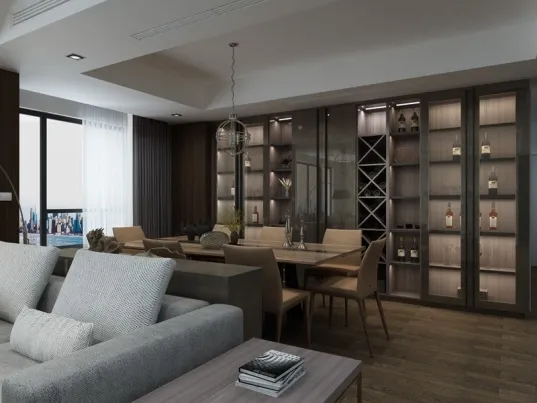
Hey wine lovers! If you're like me, collecting those beautiful bottles isn't just a hobby—it's an investment in future enjoyment. But here's the reality: wine is picky. It hates light, doesn't trust temperature changes, and vibrates at annoyances. That's why finding the right home for your bottles isn't just about storage—it's about preserving those precious flavors and aromas for that perfect moment when you finally pop the cork.
Let's talk straight—choosing a wine cabinet can feel overwhelming. I've seen countless friends buy the wrong cabinet, only to face storage headaches later. But after years in the wine world and digging deep into the research, I've distilled the essentials into this guide. We'll walk through all the cabinet options so you can find your perfect bottle match. No jargon, just straight talk about what really matters for your collection.
1. Freestanding Wine Cabinets: Your Flexible Friend
Think of these as the minivans of wine storage—not flashy, but incredibly practical. These standalone units give you the freedom to tuck them anywhere with decent airflow. Picture sliding one beside your bookcase, creating a cozy wine nook in your dining area, or establishing a mini bar corner in your apartment.
Who it's perfect for: Renters (no installation headaches!), apartment dwellers, and folks who like rearranging their space seasonally.
Keep in mind: They come with a bit more visible bulk than built-in models. Top tip: Always measure your doorways first—I've witnessed way too many "will it fit?" dramas!
2. Built-In Wine Cabinets: The Seamless Solution
These are your invisible heroes—discreet cabinets that fit flush under counters or blend with existing cabinetry. They disappear into your kitchen so well that guests might only notice when you open that gorgeous tinted glass door to select a bottle.
Who it's perfect for: Serious home chefs who want bottles within reach while cooking, and minimalists who hate visual clutter. If you're renovating or building, these integrate beautifully.
Real talk: They require pro installation—don't try this as a DIY weekend project unless you're handy with cabinetry. integrated wall panel designs take this concept to the next level.
3. Dual-Zone Cabinets: The Temperature Chameleons
This was a game-changer for me. Why? Because we don't drink our whites ice-cold nor our reds at room temperature. Dual-zone cabinets maintain two separate climates—typically 45-50°F for whites and 60-65°F for reds. No more shuffling bottles between zones!
Who it's perfect for: Anyone who enjoys both reds and whites regularly. If you entertain often or have diverse tastes, this is your cabinet soulmate.
Energy tip: These use slightly more electricity than single-zone models, but modern units compensate with impressive efficiency.
4. Single-Temperature Cabinets: The Consistent Caretakers
Your reliable workhorses. These maintain one stable temperature (usually around 55°F)—perfect for collectors focusing on aging reds or keeping whites at serving temps. No fancy tricks, just dependable climate control.
Who it's perfect for: Bourbon-barrel Cab lovers, cellar-worthy Bordeaux collectors, and anyone specializing in one wine style.
Bonus perk: They're simpler machines, which often means fewer repairs down the line.
5. Compressor Cabinets: The Power Players
These are your heavy-lifters. Using refrigerator-grade cooling technology, compressor cabinets perform brilliantly in warm climates and recover quickly after door openings. Imagine a Southern summer—this cabinet won't break a sweat.
Who it's perfect for: Garage installations, sunlit homes, large collections (50+ bottles), and hotter regions.
Trade-off: They're the noisier cousins. Not jet-engine loud, but you'll notice a low hum compared to silent thermoelectrics.
6. Thermoelectric Cabinets: The Silent Specialists
Library-quiet and energy-sipping—these use Peltier cooling technology instead of compressors. They're perfect for open-plan living spaces where you don't want constant buzzing in the background of your dinner party.
Who it's perfect for: Studio apartments, bedrooms, offices, and moderate climates. Smaller collections (under 40 bottles) work best.
Reality check: They struggle in hot environments—keep them away from ovens and direct sunlight.
7. Maturing Cabinets: The Patient Guardians
Designed specifically for long-term aging, these cabinets maintain cellar-perfect conditions year after year. With their precise humidity controls and vibration dampening, they'll nurture those special bottles until they reach peak maturity.
Who it's perfect for: Investors holding trophy bottles, collectors building verticals, and anyone aging Barolo or vintage Port.
My experience: Look for cabinets with wood shelving—metal can transmit vibrations affecting sediment over decades.
8. Serving Cabinets: The Showstoppers
These beauties combine storage with display. Often featuring glass doors, integrated stemware holders, and upper sections kept at perfect pouring temperatures. Think of them as your personal sommelier station.
Who it's perfect for: Hosts who entertain frequently, wine bar setups, and collectors who enjoy admiring their bottles.
Style tip: LED lighting (preferably UV-filtered) makes bottles glow without heat damage. Position these away from direct sunlight—even UV-protected glass isn't completely impervious to sun damage over time.
9. Multi-Zone Cabinets: The Temperature Artists
Why stop at two zones? These technological marvels create three or more microclimates—perhaps a champagne chill zone at 40°F, a mid-range at 55°F for aging, and a serving zone at 65°F. Temperature gradient is their superpower.
Who it's perfect for: Diverse collectors with bubbly, whites, reds, and dessert wines. Restaurants needing precise service temperatures.
Watch out: They're premium investments with more complex systems. Brands like EuroCave and Perlick lead here.
10. Furniture-Style Cabinets: The Elegant Solutions
Armoires, credenzas, hutches—these transform storage into furniture art. While often lacking active cooling, they're perfect for pairing with passive wine cellars or showcasing bottles you'll enjoy soon. Beautiful woods, decorative hardware, timeless designs.
Who it's perfect for: Formal dining rooms, non-kitchen spaces, and collectors who value aesthetics as much as function.
Pro tip: Add moisture control packs to maintain humidity if storing for more than a few months. Position them in temperature-stable rooms away from vents.
Matching Your Needs to Your Cabinet
After walking through all these options, how do you choose? Start with a bottle count reality check. Measure your space like a detective—don't forget to account for swing space if you're getting a door model!
I always remind my wine-loving friends: Your collection deserves better than kitchen cabinet exile. That prized bottle your uncle gave you? That special occasion Champagne? They've got stories waiting, and a quality cabinet ensures they'll tell them at their best.
The market offers incredible options now—from whisper-quiet thermoelectrics for small apartments to professional-grade cabinets rivaling restaurant cellars. Take the time to explore what resonates with your space, collection goals, and budget. Your future self—sipping that perfectly preserved vintage—will raise a glass in gratitude.










