
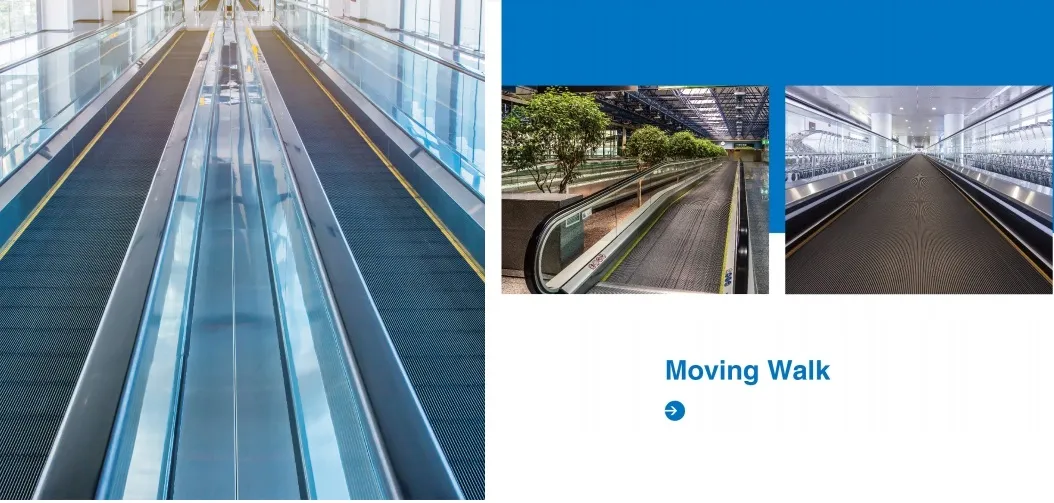
From airport speedwalks to futuristic inclines - revolutionizing how we move through spaces
Ever rush through an airport dragging luggage, only to breathe a sigh of relief when you spot those magical moving pathways? Or wished shopping centers had effortless ways to navigate multiple floors? Today's architectural solutions go way beyond basic travelators. Let's uncover the fascinating engineering behind 10 revolutionary walkway types transforming commercial flooring systems and public spaces.
Where moving walkways create seamless experiences
You know these classic metal workhorses – the airport standards with interlocking metal plates underfoot. They're the Honda Accords of moving walkways: reliable, affordable, and everywhere. Perfect for connecting flooring solutions in long terminals, they work at around 1-2 mph. Their modular design means easy repairs too – just swap damaged sections like puzzle pieces!
Why take escalators when you can walk uphill without breaking a sweat? These angled marvels are game-changers in multi-level shopping centers. Unlike steep flooring transitions, they gently slope upward at 8-12 degrees while moving. Great for shoppers pushing carts or travelers with rollaboards. Modern versions use non-slip rubber surfaces that grip even wet shoes securely.
Who said walkways must be straight? These graceful arcs follow building contours like elegant architectural ribbons. Architects love them for fluid space designs where rigid right angles would kill the vibe. You'll find them in futuristic museums and upscale malls where the journey matters as much as the destination. Bonus? They make phenomenal Instagram backdrops!
The sports cars of moving walkways! Hitting 7 mph – double standard speeds – these are for spaces where every second counts. Major international airports install them between distant terminals. Safety features include motion sensors slowing sections near entry points and synchronized handrail speeds. Energy-wise, they automatically slow during off-peak times, making them surprisingly efficient architectural solutions .
| Walkway Type | Speed Range | Max Slope | Typical Length |
|---|---|---|---|
| Standard Speedwalk | 1-2 mph | Flat only | 100-200 ft |
| Inclined Walkways | 0.8-1.5 mph | 12 degrees | 50-100 ft |
| High-Speed | 3.5-7 mph | Flat only | 200-500 ft |
| Outdoor Models | 1-2 mph | 5 degrees | 60-150 ft |
Rain or shine, these rugged movers keep going. Enclosed in waterproof housings with heated surfaces to melt snow, they connect terminals at tropical resorts or cold-climate airports. Drainage channels prevent puddling while UV-resistant materials stop sun damage. Perfect for theme parks and seaside boardwalks where standard commercial flooring systems would buckle under the elements.
Not every space needs giant installations. These shorter units provide quick boosts across 30-50 ft gaps – think elevator banks to hotel lobbies or convention hall entryways. Their lowered height works beautifully with accessible flooring solutions , featuring gentle slope ramps instead of steps. Installation is minimally invasive too since they require shallow pit depths.
The future is frictionless! Maglev tech isn't just for trains anymore. Using electromagnetic forces, these walkways float sections slightly above rails, eliminating grinding vibrations. Result? Whisper-quiet operation ideal for libraries or hospitals. Energy use drops dramatically without mechanical resistance – a revolutionary sustainable architectural solution .
Accessibility and comfort meet! These feature built-in bench sections allowing people to rest while moving. Common in enormous facilities like international expos or mega-hospitals where distances challenge mobility-impaired visitors. Handrails include call buttons, while contrasting edge colors aid visually impaired users – brilliant universal design!
Built tougher than tank treads, these handle pallets in warehouses or baggage containers at logistics hubs. Reinforced rollers support thousands of daily pounds without buckling. Specialized versions incline to bridge dock height differences while conveying loaded carts. Safety features include obstacle detection and emergency stop edges rivaling advanced commercial flooring systems .
Walkways that think? These AI systems adjust behavior using cameras and weight sensors. Rush hour sees sections synchronize to accelerate crowds; lulls trigger slowdowns saving energy. Predictive maintenance alerts technicians about wear before failures. Some even guide crowds via digital path projections onto walk surfaces. The cutting-edge evolution of flooring solutions !
Moving walkways have evolved far beyond simple people-movers. Whether it's curved designs shaping architectural marvels, all-weather versions conquering outdoor spaces, or smart systems optimizing traffic flows, these innovations redefine our movement through environments. They represent some of the most functional yet overlooked architectural solutions enhancing modern life – seamlessly blending engineering brilliance with everyday utility.
"Where architecture meets motion, moving walkways transform functional transitions into experiences."
Next time you step onto one, appreciate the thoughtful engineering carrying you forward!
Recommend Products












