
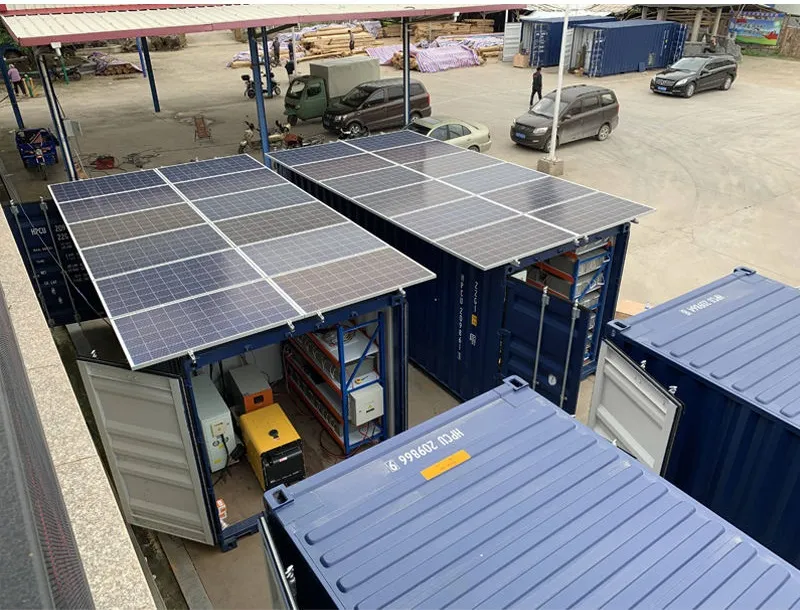
Picture this: you're standing on your roof, staring at empty space that could be powering your home and saving you money every month. But which solar panels should you choose? With dozens of options staring back at you online, it's easy to feel overwhelmed. Don't worry - we've got you covered. This guide breaks down all those confusing technical terms into plain English, so you can confidently choose panels tailored to your roof, budget, and energy dreams.
Whether you're squeezed for roof space in the city or planning a sprawling country setup, your panel choice directly impacts how much power you generate and how long your system lasts. Modern panels aren't just shiny slabs anymore - they're precision-engineered marvels with wildly different superpowers. Some squeeze maximum power from tiny spaces, while others excel in gloomy weather, and some can even curve to fit unusual surfaces.
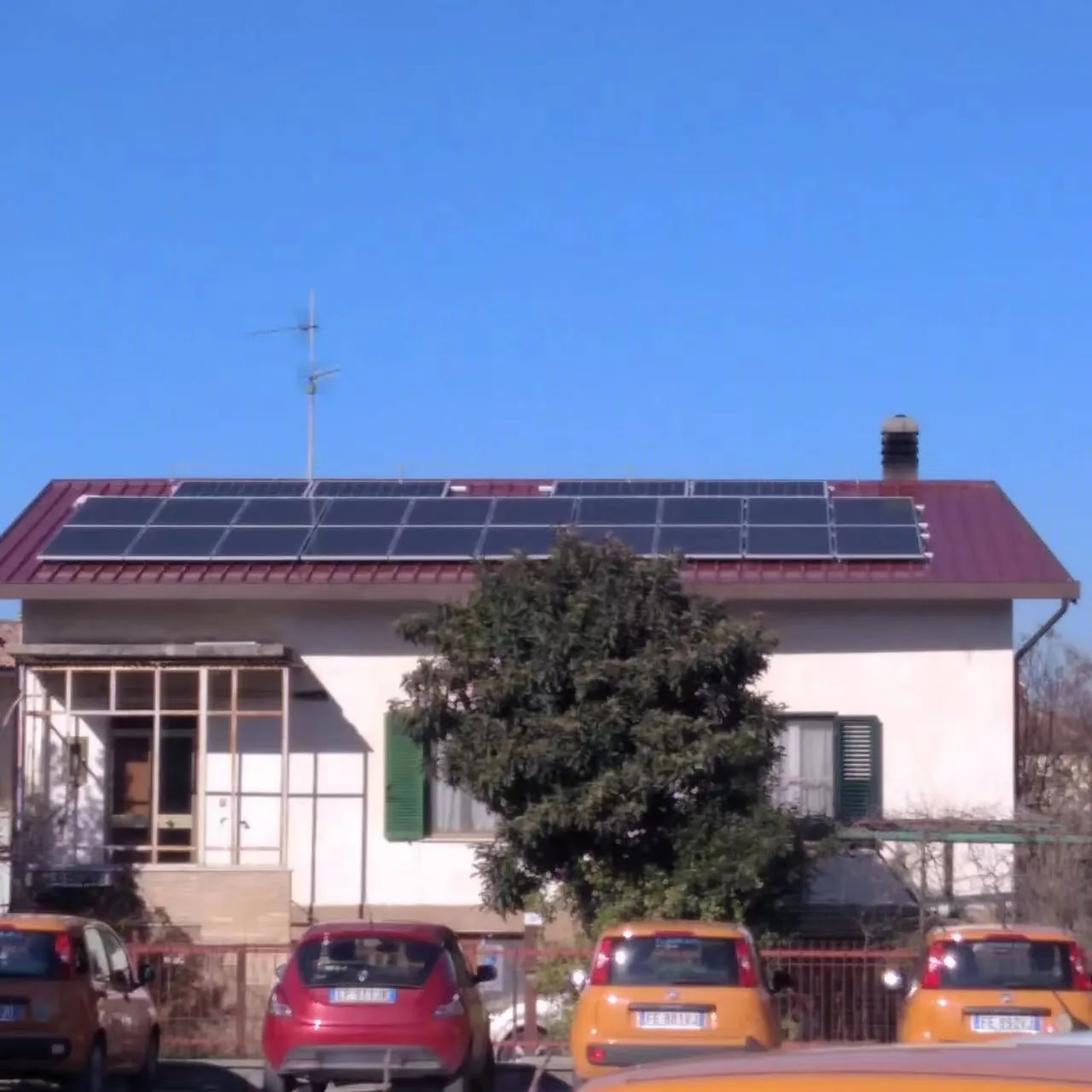
Look at any luxury solar installation, and you'll likely spot these sleek black beauties. Made from single silicon crystals grown in laboratories, they're the Ferrari of the solar world. What makes them special? It's all in the perfection of their internal structure. Because their silicon molecules align perfectly, electrons flow like commuters in an empty subway at 3 AM - totally unobstructed.
What You'll Love:
Real Talk Downsides:
You'll typically find these panels on homes where space is tight but energy bills are high. They're like that expensive coffee maker - costs more upfront but pays for itself daily. Over their 30-40 year lifespan, these panels will reliably convert sunlight into savings without fuss.
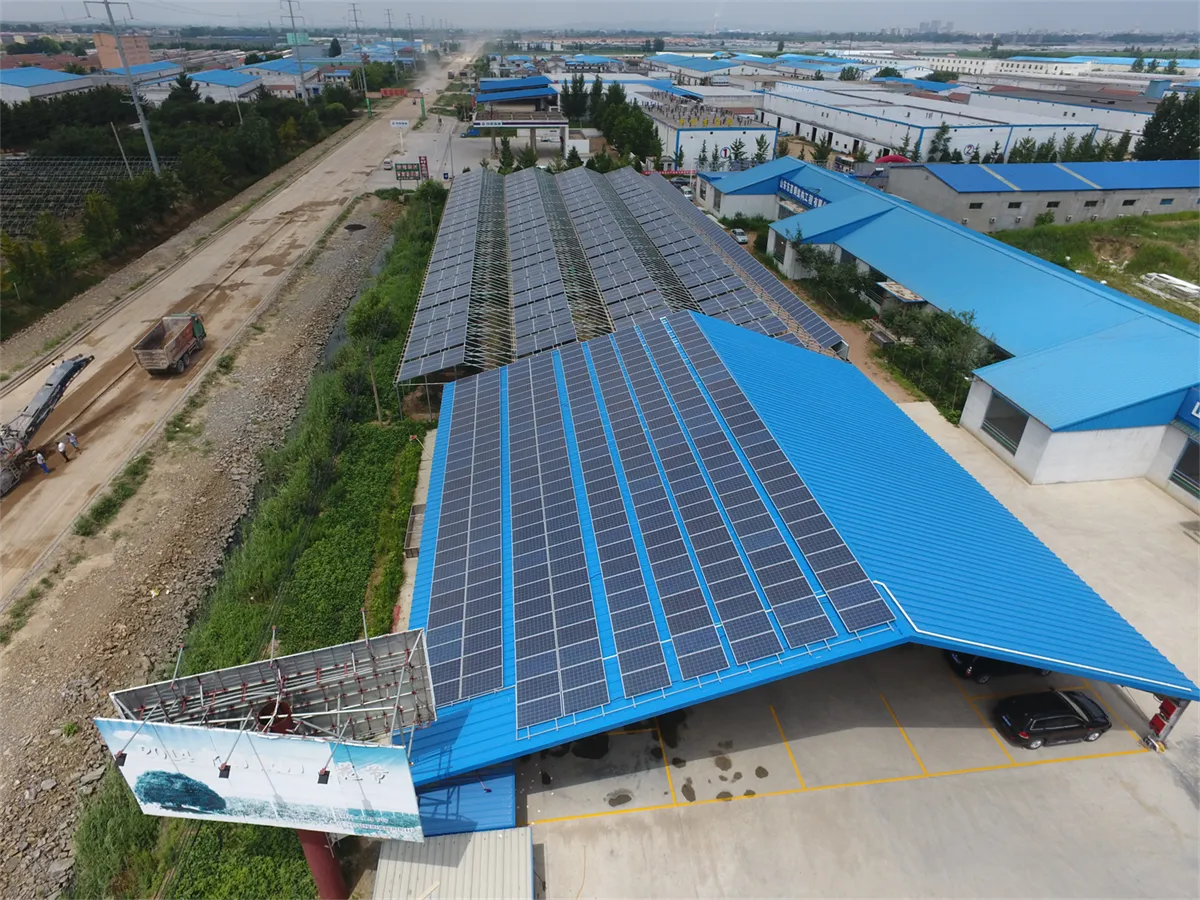
Notice that distinct bluish hue? That's your first clue you're looking at poly panels. Instead of using pure silicon crystals, manufacturers melt together silicon fragments. It's a bit like making a mosaic from glass shards. The result? A surprisingly capable panel that won't empty your wallet.
What You'll Appreciate:
Tradeoffs to Consider:
These panels thrive when you've got space to spare. Think ranch homes, commercial buildings, or rural properties with endless roof. They're the sensible sedan of solar - does everything you need without flashy extras. Most hold up strong for 25-35 years before needing replacement.
Forget rigid rectangles - these panels are the solar world's shape-shifters. Instead of thick silicon wafers, they're made by spraying microscopic layers of photovoltaic material onto surfaces like glass, plastic, or metal. The result? Panels as thin as a coin that can curve, flex, and mold to unconventional surfaces.
Why They Turn Heads:
Things to Think Twice About:
Where do they shine? RVs, curved roofs, historical buildings, and large-scale solar farms. For distributed solar power systems where you want energy generated at point of use without complicated installations, thin-film solutions can be incredibly effective.
Imagine panels that generate power from both sides - that's bifacial technology. By using transparent back sheets instead of opaque ones, these panels absorb reflected sunlight from surfaces below. Think white roofing, snow, or light-colored gravel. They're like having a solar panel with both eyes open.
You'll get the most bang for your buck installing them over reflective surfaces or in elevated positions. Snowy regions? They're absolute powerhouses in winter. Expect output boosts of 5-25% over traditional panels, though the extra tech comes at a 10-20% price premium. Ground mounts maximize their potential, making them great for solar farms or commercial buildings.
| Panel Type | Efficiency Range | Cost ($/Watt) | Best For | Lifespan |
|---|---|---|---|---|
| Monocrystalline | 20-25% | 1.00-1.50 | Small roofs, cloudy climates | 30-40+ years |
| Polycrystalline | 15-17% | 0.70-1.00 | Budget projects, spacious roofs | 25-35 years |
| Thin-Film | 7-18% | 0.50-1.00 | Curved surfaces, partial shade | 10-20 years |
| Bifacial | 22-27% | 1.10-1.80 | Snowy areas, ground installations | 30+ years |
Solar innovation isn't slowing down. Consider these technologies for specific applications:
PERC (Passivated Emitter and Rear Cell) technology adds a special layer that traps escaping light waves. It's like installing reflectors behind your panels. Adds roughly 1% efficiency but raises costs 5-10%.
Heterojunction technology sandwiches layers of crystalline silicon between ultra-thin amorphous silicon. Think of it as a solar sandwich with extra power-generating fillings. Performs better in heat but comes at premium prices.
Cadmium Telluride panels are one of the greenest options to manufacture. They excel in hot conditions and diffuse light but face recycling challenges.
Copper Indium Gallium Selenide offers the highest thin-film efficiency. Their flexibility makes them perfect for integrating into building materials.
The lowest-cost thin-film option that actually performs better than crystalline panels in extreme heat. Ideal for budget desert installations.
These lab marvels could one day achieve unheard-of efficiency. Currently experimental but showing great promise for printable solar applications.
Their Q.Peak DUO BLK G10+ panels blend efficiency with minimalist elegance. Built at a state-of-the-art Georgia facility, they come with impressive 25-year guarantees. Expect no-nonsense reliability and solid technical support.
The Alpha Pure series shows why REC leads in durability. Their panels handle extreme weather while maintaining top-tier efficiency. Especially impressive in hot climates where others fade.
If aesthetics matter as much as output, Solaria's all-black designs disappear beautifully against dark roofs. Solid mid-range pricing with above-average reliability.
Industry leaders pushing monocrystalline tech further with their Hi-MO series. Consistently set efficiency benchmarks while maintaining competitive pricing.
Which combination should you choose? Consider these questions:
How much sun hits your roof? If you're in Seattle, prioritize panels that handle clouds and shade. In Phoenix? Heat tolerance matters most.
What's your budget reality? Premium panels save money long-term, but only if your budget stretches that far now. There's no shame in starting with affordable options.
Planning to move? Shorter payback periods favor high-efficiency panels. Staying put 20+ years? Durability becomes king.
Roof space vs. energy appetite Calculate how many panels fit versus your energy needs. This simple formula helps: Daily kWh use ÷ (local sun hours × panel efficiency).
Choosing solar panels isn't just about electrons and kilowatts - it's about selecting partners for your home for decades. Now that you know your mono from poly and thin-film from bifacial, you're equipped to have smarter conversations with installers and make confident choices.
Remember there's no universal "best" panel. The right choice fits your unique home, finances, and local climate like a tailor-made suit. The perfect system balances today's budget against decades of energy savings and peace of mind. When you finally see those panels sparkling on your roof, you'll know you didn't just choose technology - you chose energy independence.
The solar revolution isn't coming; it's already here. Your roof is the power plant, and these panels are your silent, efficient workers harvesting free energy daily. Welcome to the bright side of energy ownership - your wallet and the planet will thank you.
Recommend Products












