Introduction: Building a Greener Tomorrow, One Material at a Time
In a world where climate change looms large and environmental consciousness is no longer a choice but a necessity, green building initiatives have emerged as a cornerstone of sustainable development. These projects—whether residential, commercial, or industrial—prioritize reducing environmental impact, conserving resources, and creating healthier spaces for occupants. But what truly sets a green building apart? Beyond solar panels and energy-efficient windows, the materials that form its skeleton play a pivotal role. From foundation to roof, every choice—especially in hidden systems like plumbing and drainage—shapes a building's long-term sustainability. Among these materials,
UPVC pipe solutions have quietly become a unsung hero, offering a blend of durability, efficiency, and eco-friendliness that aligns seamlessly with the goals of modern green construction.
Imagine a building that uses less energy to construct, requires minimal maintenance over decades, and generates less waste when its lifecycle ends. That's the promise of green building—and it starts with selecting materials that don't just serve a functional purpose, but also minimize harm to the planet. For years, traditional materials like galvanized steel, copper, and concrete dominated plumbing and drainage systems. While effective, they often came with trade-offs: heavy carbon footprints, susceptibility to corrosion, and high maintenance costs. Enter
UPVC pipe solutions: a modern alternative that's redefining how we think about sustainable construction. In this article, we'll explore why UPVC pipes have become a go-to choice for architects, builders, and developers committed to green building, and how partnering with the right
upvc pipe supplier can turn sustainability goals into tangible results.
Understanding UPVC Pipe Solutions: More Than Just Plastic Pipes
Before diving into their environmental benefits, let's clarify what
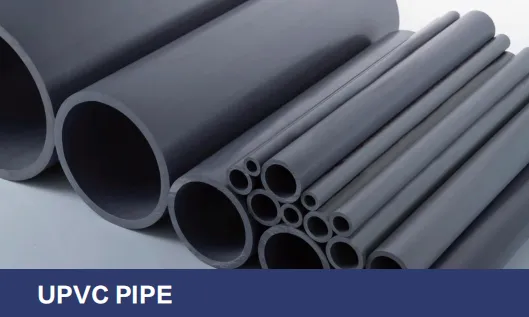
UPVC pipe solutions actually are. UPVC, or Unplasticized Polyvinyl Chloride, is a rigid, chemically resistant plastic derived from vinyl chloride monomers. Unlike regular PVC, which may contain plasticizers to increase flexibility, UPVC is "unplasticized," making it stiffer, stronger, and more durable. This composition gives UPVC pipes a unique set of properties that make them ideal for a wide range of building applications—from water supply and drainage to venting systems.
So, what makes UPVC stand out? For starters, it's lightweight yet surprisingly robust. A 10-foot length of UPVC pipe weighs a fraction of its steel or copper counterpart, making transportation and installation significantly easier. This lightness reduces the need for heavy machinery on-site, cutting down on construction-related energy use and labor costs. But don't let its weight fool you: UPVC pipes boast impressive tensile strength and impact resistance, able to withstand high water pressure and temperature fluctuations without cracking or warping.
Another key advantage is chemical resistance. Unlike metal pipes, which can corrode when exposed to minerals, salts, or harsh cleaning agents, UPVC is inert to most chemicals. This means it won't rust, scale, or degrade over time, ensuring a longer lifespan—often 50 years or more—with minimal maintenance. For green buildings, which aim to reduce the frequency of repairs and replacements, this longevity is a game-changer. Fewer replacements mean less material waste and lower carbon emissions associated with manufacturing and installing new pipes.
When sourced from a reputable
upvc pipe supplier, these solutions also come with tight quality controls. Leading suppliers ensure their UPVC pipes are manufactured using high-grade raw materials and adhere to international standards, such as ISO 4422 for water supply and ISO 1452 for drainage systems. This commitment to quality not only guarantees performance but also ensures that the pipes are free from harmful additives, making them safe for potable water applications—a critical consideration for green buildings focused on occupant health.
Environmental Benefits: How UPVC Pipes Support Green Building Goals
Now, let's get to the heart of the matter: how do
UPVC pipe solutions contribute to green building initiatives? The answer lies in their entire lifecycle—from production to disposal. Let's break it down step by step.
Low Embodied Energy: Less Energy to Make, Less Carbon to Emit
Embodied energy refers to the total energy consumed during a product's manufacturing, transportation, and installation. For green buildings, minimizing embodied energy is crucial, as it accounts for a significant portion of a project's overall carbon footprint. Here, UPVC pipes shine. Producing UPVC requires far less energy compared to metal pipes. For example, manufacturing a meter of copper pipe consumes approximately 1,500 kWh of energy, while the same length of UPVC pipe uses just 60 kWh—less than 5% of copper's energy demand. This drastic reduction in embodied energy directly lowers the carbon emissions associated with pipe production, aligning with the green building principle of reducing upfront environmental impact.
Recyclability and Circular Economy Potential
A common misconception about plastic pipes is that they're not recyclable. While it's true that some plastics pose recycling challenges, UPVC is highly recyclable. At the end of their long lifespan, UPVC pipes can be collected, shredded, and melted down to create new pipes or other plastic products. Many forward-thinking upvc pipe suppliers are now investing in closed-loop recycling programs, where post-consumer UPVC waste is repurposed into new pipe solutions. This not only reduces the demand for virgin raw materials but also diverts plastic waste from landfills, supporting the circular economy model that green buildings strive to embody.
Water Conservation Through Smooth Flow
Green buildings prioritize water efficiency, and UPVC pipes play a role here too. Thanks to their smooth inner surface, UPVC pipes offer minimal friction to water flow. This means less energy is required to pump water through the system, reducing the building's overall energy consumption. For example, in a residential complex with hundreds of units, the cumulative energy savings from using UPVC pipes for water supply can be substantial. Additionally, the smooth surface prevents the buildup of scale and sediment, which can restrict flow over time. This ensures consistent water pressure and reduces the need for harsh chemical cleaners, further lowering the building's environmental impact.
No Toxic Leachates: Safe for People and the Planet
Health and safety are integral to green building, and
UPVC pipe solutions deliver here as well. Unlike some older plastic pipes that may leach phthalates or other harmful chemicals, modern UPVC pipes—when sourced from a reliable
upvc pipe supplier—are manufactured without toxic additives. They are certified as safe for drinking water by organizations like the NSF (National Sanitation Foundation) and the WHO (World Health Organization). This means occupants can trust that the water flowing through their taps is free from contaminants, while the environment benefits from reduced chemical runoff during pipe disposal.
Key Applications in Green Construction: Where UPVC Pipes Make the Most Impact
UPVC pipe solutions aren't a one-size-fits-all product; they excel in specific applications that align with green building priorities. Let's explore some of the most common uses and how they contribute to sustainability.
Water Supply Systems: Delivering Clean Water Efficiently
In green buildings, water efficiency is paramount, and UPVC pipes are a top choice for potable water supply. Their smooth interior minimizes pressure loss, allowing pumps to operate more efficiently and reducing energy use. Additionally, their corrosion resistance ensures that the water quality remains uncompromised over time. Unlike metal pipes, which can leach rust particles into the water, UPVC pipes maintain water clarity and taste, eliminating the need for costly filtration systems. For projects aiming for LEED certification, this efficiency can contribute to points in the "Water Efficiency" and "Energy and Atmosphere" categories.
Drainage, Waste, and Vent (DWV) Systems: Durable and Low-Maintenance
Drainage systems are the unsung workhorses of any building, and here,
pvc dwv pipe solutions (a subset of UPVC applications) truly shine. DWV systems handle wastewater and stormwater, requiring pipes that can withstand constant exposure to moisture, debris, and varying temperatures. UPVC's chemical resistance and structural integrity make it ideal for this role. Unlike cast iron, which is heavy and prone to corrosion, UPVC DWV pipes are lightweight, easy to install, and resistant to clogs due to their smooth surface. This reduces the need for frequent snaking or repairs, lowering maintenance costs and minimizing disruptions to building occupants. For green buildings, which aim to operate with minimal environmental impact, the low-maintenance nature of UPVC DWV pipes translates to fewer service calls, less energy use, and reduced chemical treatments for blockages.
Rainwater Harvesting Systems: Capturing Sustainability
Rainwater harvesting is a hallmark of green building, allowing buildings to collect and reuse rainwater for non-potable purposes like irrigation, toilet flushing, and landscaping. UPVC pipes are an excellent choice for these systems due to their durability and resistance to UV radiation (when properly rated). Unlike some plastics that degrade under sunlight, UV-stabilized UPVC pipes can be used in above-ground applications without cracking or becoming brittle. This makes them perfect for transporting harvested rainwater from rooftops to storage tanks, ensuring minimal water loss and maximum efficiency. By integrating UPVC pipes into rainwater harvesting systems, green buildings can reduce their reliance on municipal water supplies, conserving precious resources and lowering utility costs.
Comparing UPVC to Traditional Materials: A Sustainability Showdown
To truly appreciate the role of
UPVC pipe solutions in green building, it's helpful to compare them to traditional pipe materials. Let's take a closer look at how UPVC stacks up against galvanized steel, copper, and concrete in key sustainability metrics.
|
UPVC
|
50–60
|
60–80
|
High (can be recycled into new pipes or products)
|
Minimal (no corrosion, scaling, or rust)
|
1.2–1.5
|
|
Galvanized Steel
|
20–30
|
800–1,000
|
Moderate (recyclable but energy-intensive)
|
High (prone to rust and scaling; requires regular coating)
|
8–10
|
|
Copper
|
40–50
|
1,500–2,000
|
High (valuable scrap, but mining is environmentally costly)
|
Moderate (corrodes in acidic water; may require replacement)
|
15–20
|
|
Concrete
|
50–70
|
400–500
|
Low (recycled as aggregate, but limited applications)
|
High (prone to cracking; heavy, difficult to repair)
|
10–12
|
As the table shows, UPVC outperforms traditional materials in nearly every sustainability category. Its low embodied energy and carbon footprint mean less environmental impact during production, while its long lifespan and minimal maintenance reduce waste and energy use over time. Even when compared to copper, which has a similar lifespan, UPVC's lower embodied energy and carbon footprint make it a more eco-friendly choice. For green building projects working within tight sustainability budgets, this comparison is clear:
UPVC pipe solutions offer the best balance of performance and environmental responsibility.
Case Study: How UPVC Pipe Solutions Transformed a LEED Project
To put these benefits into context, let's examine a real-world example: the GreenHaven Residences, a 12-story mixed-use development in Seattle, Washington, that achieved LEED Gold certification in 2023. The project's sustainability goals included reducing water consumption by 30%, cutting energy use by 25%, and minimizing construction waste by 50%. Central to achieving these goals was the selection of
UPVC pipe solutions for both plumbing and DWV systems.
The project team partnered with a local
upvc pipe supplier known for their eco-friendly manufacturing practices, including the use of 30% recycled content in their pipes and carbon-neutral production facilities. For the water supply system, they installed 4-inch and 6-inch UPVC pipes, which reduced the overall weight of the plumbing system by 60% compared to the originally planned copper pipes. This weight reduction allowed the construction team to use lighter support structures, cutting down on steel usage and lowering embodied energy.
For the DWV system, the team opted for
pvc dwv pipe solutions, which proved critical in meeting their waste reduction goals. The smooth interior of the UPVC pipes minimized clogs, reducing the need for maintenance visits by 75% in the first year of operation. Additionally, the pipes' durability eliminated the risk of leaks, which can lead to water damage and mold growth—both of which are costly to remediate and harmful to indoor air quality.
Post-occupancy data showed that GreenHaven Residences exceeded its water reduction goal, achieving a 35% decrease in consumption, partly due to the efficient flow characteristics of the UPVC pipes. Energy use also dropped by 28%, with the plumbing system contributing an estimated 5% of those savings through reduced pump operation. Perhaps most impressively, the project diverted 85% of construction waste from landfills, thanks in part to the recyclability of UPVC offcuts and the reduced need for replacement materials during installation.
"Choosing
UPVC pipe solutions wasn't just about meeting LEED requirements—it was about building a community that could thrive sustainably for decades," said Maria Gonzalez, the project's lead architect. "The collaboration with our
upvc pipe supplier was key; their technical expertise helped us optimize the pipe layout for maximum efficiency, and their commitment to recycled materials aligned perfectly with our values."
The Role of the UPVC Pipe Supplier: Beyond Just Delivering Pipes
While
UPVC pipe solutions offer inherent sustainability benefits, their impact on green building initiatives is amplified when sourced from a responsible
upvc pipe supplier. A reputable supplier does more than just deliver products—they act as a partner in sustainability, offering expertise, innovation, and support that help projects meet their environmental goals.
First and foremost, a quality supplier prioritizes eco-friendly manufacturing processes. This includes using recycled raw materials, reducing energy consumption in production, and minimizing waste through efficient cutting and packaging. Some suppliers even offer carbon offset programs, allowing projects to neutralize the emissions associated with pipe manufacturing. For green buildings pursuing certifications like LEED or BREEAM, these practices can contribute to points in the "Materials and Resources" category.
Technical support is another area where suppliers add value. Leading upvc pipe suppliers employ engineers who work closely with architects and contractors to design optimal pipe systems. This might involve recommending the right pipe diameter to minimize flow resistance, suggesting UV-stabilized pipes for outdoor applications, or providing guidance on recycling end-of-life pipes. By tailoring solutions to the project's specific needs, suppliers help maximize efficiency and reduce waste.
Innovation is also critical. Forward-thinking suppliers are constantly developing new
UPVC pipe solutions, such as pipes with integrated leak detection sensors or bio-based additives that enhance biodegradability at the end of their lifecycle. These innovations not only improve performance but also align with the evolving needs of green building, which increasingly demand smart, adaptive systems.
Challenges and Innovations: Addressing the Critics
Despite their many benefits,
UPVC pipe solutions are not without critics. The most common concern is their reliance on plastic, a material often associated with pollution and landfill waste. While it's true that plastic pollution is a global issue, the UPVC industry has made significant strides in addressing these concerns through innovation.
One key innovation is improved recycling technology. Modern recycling facilities can now process UPVC pipes into high-quality pellets that are used to manufacture new pipes, reducing the need for virgin plastic. Some suppliers even offer take-back programs, ensuring that old pipes are properly recycled rather than landfilled. Additionally, research into biodegradable UPVC alternatives is ongoing, with early prototypes incorporating plant-based polymers that break down more easily in the environment.
Another challenge is thermal expansion. Like all plastics, UPVC expands and contracts with temperature changes, which can cause stress on joints if not properly accounted for. However, modern
UPVC pipe solutions address this with flexible couplings and expansion loops, which allow for movement without compromising the system's integrity. When installed correctly by trained professionals, these systems are just as reliable as rigid metal pipes.
Future Trends: UPVC Pipe Solutions in the Next Generation of Green Buildings
As green building initiatives continue to evolve, so too will the role of
UPVC pipe solutions. Looking ahead, several trends are poised to shape their future:
Circular Economy Integration:
The push for a circular economy—where materials are reused and recycled indefinitely—will drive upvc pipe suppliers to further enhance their recycling programs. We can expect to see higher percentages of recycled content in pipes, as well as more innovative end-of-life solutions, such as converting old pipes into 3D printing filaments or construction aggregates.
Smart Pipe Technology:
The rise of smart buildings will lead to the integration of sensors into UPVC pipes, allowing for real-time monitoring of flow rates, pressure, and leaks. This data will enable predictive maintenance, reducing water waste and energy use while extending the lifespan of the plumbing system.
Bio-Based UPVC:
Research into bio-based polymers is ongoing, and we may soon see UPVC pipes made from renewable resources like sugarcane or cornstarch. These bio-based solutions would further reduce the carbon footprint of UPVC, making them even more aligned with green building goals.
Conclusion: UPVC Pipe Solutions—A Foundation for Sustainable Building
In the quest to build greener, more sustainable structures, every material choice matters.
UPVC pipe solutions have emerged as a critical component of this effort, offering a unique combination of durability, efficiency, and environmental responsibility. From reducing embodied energy and carbon footprints to minimizing maintenance and waste, UPVC pipes support green building initiatives at every stage of a project's lifecycle.
By partnering with a reputable
upvc pipe supplier, architects, builders, and developers can unlock even greater sustainability benefits, leveraging eco-friendly manufacturing, technical expertise, and innovative solutions to meet their green goals. As the industry continues to evolve,
UPVC pipe solutions will undoubtedly play an even larger role in shaping the buildings of tomorrow—structures that are not just functional and beautiful, but also kind to the planet.
So, the next time you walk into a green building, take a moment to appreciate the hidden systems that make it sustainable. Chances are, beneath the floors and within the walls, there's a network of UPVC pipes quietly doing their part to build a better future—one drop at a time.