
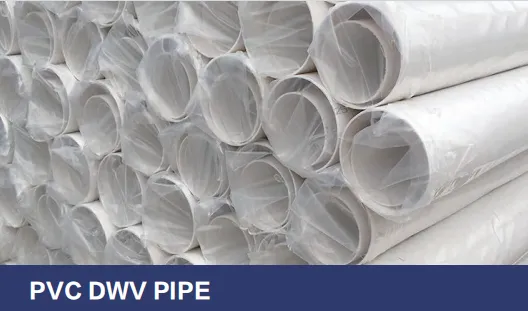
In the high-stakes world of construction, where deadlines loom like storm clouds and every day on-site carries a price tag, the difference between success and delay often hinges on the smallest details. Imagine a bustling construction site: cranes swing overhead, workers hustle to lay foundations, and project managers calendars, counting down the days until the building is ready for occupancy. Amid this chaos, one component quietly holds the project together—its plumbing system. And at the heart of that system, especially for draining wastewater and venting, lies a material that has revolutionized modern construction: PVC DWV pipe. But these pipes don't just appear on-site by magic. Behind every smooth-flowing drain and every on-schedule project is a critical partner: the PVC DWV pipe supplier. In this article, we'll explore how these suppliers aren't just vendors—they're problem-solvers, time-savers, and indispensable allies in keeping construction timelines on track.
Not long ago, construction teams relied on heavy, cumbersome materials like cast iron and copper for drain, waste, and vent (DWV) systems. While these materials had their merits—cast iron, for instance, was prized for its durability—they came with a laundry list of headaches that ate into project timelines. Let's break it down:
For contractors and project managers, these challenges weren't just inconveniences—they were budget-busters. "We once had a residential project where a late delivery of cast iron pipes pushed back our plumbing rough-in by two weeks," recalls Maria Gonzalez, a construction manager with 15 years of experience. "That delay cascaded into electrical work, drywall, and eventually the entire project timeline. By the end, we were paying overtime to catch up, and the client wasn't happy."
Enter PVC DWV pipe—a lightweight, durable, and cost-effective alternative that has transformed how plumbing systems are built. Short for polyvinyl chloride, PVC is a thermoplastic material that's been used in construction since the 1960s, but its adoption in DWV systems skyrocketed as contractors realized its potential to save time and money. Here's why it's become a staple:
PVC DWV pipes are significantly lighter than their metal counterparts. A 10-foot section of 4-inch PVC DWV pipe weighs just 12 pounds—less than a fifth of the weight of cast iron. This means a single worker can carry and install pipes, reducing the need for extra labor. "It's night and day," says Jake Thompson, a plumber who's worked on both commercial and residential sites. "With PVC, I can carry three pipes at once up a ladder. With cast iron? I'd need a helper just to move one. We're cutting installation time by 30% easy on most jobs."
The smooth interior of PVC pipes is another advantage. Unlike rough cast iron, which can trap debris and cause clogs, PVC's slick surface allows wastewater to flow freely, reducing the risk of backups. This not only improves system performance but also cuts down on post-installation troubleshooting—a common time-waster on job sites.
PVC is naturally resistant to corrosion, chemicals, and biological growth, making it ideal for DWV systems that handle everything from kitchen grease to bathroom waste. Unlike copper, which can develop pinhole leaks from acidic water, or cast iron, which rusts, PVC pipes can last 50 years or more with minimal maintenance. "We rarely get callback requests for PVC DWV issues," notes Gonzalez. "Once it's installed, it's set-it-and-forget-it. That peace of mind alone is worth switching."
PVC DWV pipes are often cheaper upfront than copper or cast iron, but the savings don't stop there. Reduced labor costs (fewer workers needed for installation), faster installation times (shorter project phases), and lower maintenance expenses all add up. A 2022 study by the Plumbing-Heating-Cooling Contractors Association (PHCC) found that using PVC DWV systems reduced total plumbing costs by an average of 18% compared to traditional materials.
While PVC DWV pipes themselves offer clear advantages, their impact on construction timelines is amplified when paired with a reliable supplier. In today's fast-paced construction environment, a supplier isn't just someone who drops off materials—they're a strategic partner. Here's how top-tier PVC DWV pipe suppliers make a difference:
One of the biggest risks to construction timelines is material shortages. A reputable PVC DWV pipe supplier invests in robust supply chains, with multiple manufacturing partners and warehouses strategically located to serve regional markets. This means even during peak seasons or unexpected disruptions (like the 2021 global supply chain crisis), they can keep materials flowing. "We work with a supplier that guarantees 48-hour delivery on standard pipe sizes," says Thompson. "On a recent hotel project, we realized we were short 50 feet of pipe on a Friday afternoon. They had it to us by Monday morning, so we didn't lose a single day of work."
Many suppliers also offer "just-in-time" delivery, where materials arrive exactly when they're needed on-site. This eliminates the need for job sites to store large quantities of pipes, saving space and reducing the risk of damage or theft.
Every construction project is unique, with its own set of challenges—tight spaces, specific building codes, or unusual layout requirements. A great supplier doesn't just sell pipes; they provide PVC DWV pipe solutions tailored to these needs. Their technical teams can help with everything from selecting the right pipe diameter for optimal flow to designing custom fittings for hard-to-reach areas. "We once had a project in an old warehouse being converted into lofts," Gonzalez remembers. "The existing walls were uneven, and standard pipes wouldn't fit. Our supplier sent an engineer to the site, who recommended a combination of flexible couplings and shorter pipe sections. It saved us from having to tear out walls—something that would've added weeks to the timeline."
Suppliers also stay up-to-date on local building codes, ensuring that the products they provide meet or exceed regulations. This is especially critical in regions with strict plumbing standards, where using non-compliant materials can lead to costly rework and delays.
There's no faster way to derail a timeline than installing faulty materials. Top PVC DWV pipe suppliers prioritize quality, conducting rigorous testing on every batch of pipes for strength, durability, and performance. Look for suppliers who adhere to industry standards like ASTM D2665 (the standard specification for PVC DWV pipes) or ISO 9001 certification for quality management. "We had a bad experience with a cheap supplier early in my career," Thompson admits. "The pipes were brittle and cracked during installation. We had to rip out 20 feet of work and start over. Since then, we only work with suppliers who provide material test reports—no exceptions."
Even the best materials are only as good as the people installing them. Many leading suppliers offer training programs for contractors and plumbers, teaching best practices for cutting, joining, and installing PVC DWV pipes. This not only speeds up installation but also reduces errors. Some suppliers even send representatives to job sites to observe installations and offer tips, ensuring that the work is done right the first time.
Still not convinced that PVC DWV is the right choice? Let's put it head-to-head with traditional materials and even other plastic piping options like UPVC (unplasticized PVC), a popular choice for water supply systems. The table below compares key factors that impact construction timelines and costs:
| Material | Weight (per 10ft section, 4-inch diameter) | Installation Time (per 100ft) | Corrosion Resistance | Cost (per linear foot, 4-inch diameter) | Expected Lifespan |
|---|---|---|---|---|---|
| Cast Iron | 70 lbs | 8-10 hours | Low (prone to rust) | $25-$35 | 30-50 years |
| Copper | 25 lbs | 6-8 hours | Medium (corrodes in acidic environments) | $15-$20 | 50-70 years |
| PVC DWV | 12 lbs | 2-4 hours | High (resistant to chemicals and rust) | $5-$8 | 50-80 years |
| UPVC (Water Supply)* | 10 lbs | 2-3 hours | High | $4-$7 | 50-100 years |
*While UPVC is primarily used for water supply (not DWV), it's included here for comparison, as many upvc pipe suppliers also offer PVC DWV products. Note that DWV systems require specific pipe designs (e.g., larger diameters, venting features) not found in standard UPVC water pipes.
To truly understand the impact of a great supplier, let's look at a real-world example. In 2023, a construction firm in Riyadh, Saudi Arabia, was tasked with building a 10-story commercial office complex with a tight 18-month deadline. The project included a large food court, multiple restrooms, and a basement parking garage—all requiring extensive DWV systems. Here's how partnering with a reliable PVC DWV pipe supplier made all the difference:
Midway through the project, the original pipe supplier faced production delays, leaving the construction team short on 4-inch and 6-inch PVC DWV pipes. With the plumbing rough-in phase already behind schedule, the team risked missing the critical "dry-in" milestone (when the building is enclosed, allowing interior work to begin). A two-week delay here would have pushed the entire project timeline by a month, incurring penalties from the client.
The construction firm reached out to a local PVC DWV pipe supplier with a reputation for fast turnaround. Within 72 hours, the supplier conducted a site visit to assess the remaining pipe needs, then coordinated with its manufacturing partners to prioritize production. They delivered the required pipes in batches: the first shipment arrived within 5 days, with the rest following over the next week. To save even more time, the supplier pre-cut the pipes to the exact lengths specified in the project plans, eliminating on-site cutting and reducing waste.
Thanks to the supplier's quick response, the plumbing rough-in was completed just 3 days behind schedule—far better than the projected two-week delay. The project stayed on track for its 18-month completion, and the client avoided penalties. "That supplier didn't just deliver pipes—they delivered peace of mind," said the project manager. "We've since made them our go-to for all DWV projects."
As construction technology evolves, so too do the role of PVC DWV pipe suppliers. Here are three trends shaping the industry—and how suppliers are adapting to keep projects on the fast track:
With sustainability becoming a top priority for builders and clients, suppliers are investing in eco-friendly PVC production. Many now offer pipes made from recycled PVC, reducing reliance on virgin materials. Additionally, PVC DWV pipes are 100% recyclable at the end of their lifespan, making them a more sustainable choice than some traditional materials. "We've had clients ask for LEED-certified materials, and our supplier was able to provide recycled PVC DWV pipes that met those standards," notes Gonzalez. "It's a win-win: better for the planet, and better for the project's green credentials."
The rise of smart buildings is driving demand for DWV systems that work with digital monitoring tools. Some suppliers are developing PVC pipes with built-in sensors that detect leaks, blockages, or unusual flow patterns, alerting maintenance teams before issues escalate. While still in the early stages, this technology could reduce downtime and extend the life of plumbing systems—something forward-thinking suppliers are already exploring.
As construction projects become more complex, suppliers are offering increasingly tailored solutions. This includes modular pipe systems that snap together without the need for glue or sealants, reducing installation time even further. Some suppliers also use 3D modeling to design custom fittings for unique project layouts, ensuring a perfect fit the first time.
In the race to meet construction deadlines, every decision counts—and few decisions are as critical as choosing your PVC DWV pipe supplier. These aren't just vendors; they're partners who can make or break your timeline, your budget, and your reputation with clients. From reliable supply chains and technical expertise to quality assurance and innovative solutions, a great supplier brings far more to the table than just pipes.
So, the next time you're planning a construction project, don't just shop for the lowest price. Look for a supplier who understands your deadlines, your challenges, and your goals. Because in the end, the right partner doesn't just supply materials—they supply success.
As Thompson puts it: "At the end of the day, we're all in this together. A good supplier doesn't just want to sell you pipes—they want to see your project finish on time, under budget, and with zero headaches. And that's worth its weight in gold."
Recommend Products












