

In an era where sustainability is no longer a buzzword but a critical imperative, the construction industry stands at the forefront of change. Green building practices have transitioned from niche preferences to mainstream requirements, driven by growing environmental concerns, stricter regulations, and a global shift toward responsible development. At the heart of this movement lies LEED certification—Leadership in Energy and Environmental Design—a globally recognized symbol of excellence in sustainable building. For architects, developers, and contractors aiming to achieve LEED credits, every material choice matters. Among the array of eco-friendly options, Wood-Plastic Composite (WPC) wall panels have emerged as a standout solution, blending durability, aesthetics, and environmental responsibility. But behind every successful integration of WPC wall panels in LEED-certified projects is a key player: the WPC wall panel supplier. More than just a vendor, this supplier acts as a strategic partner, guiding projects toward sustainability goals while delivering high-performance interior decoration materials. This article explores the pivotal role of a WPC wall panel supplier in turning LEED aspirations into reality, examining how their expertise, solutions, and commitment to quality shape the future of green building.
Before delving into the supplier's role, it's essential to grasp what makes WPC wall panels a cornerstone of sustainable construction. WPC, or Wood-Plastic Composite, is a hybrid material crafted from a blend of wood fibers (or plant-based fillers), thermoplastics (such as polyethylene or polypropylene), and additives like UV stabilizers, colorants, and coupling agents. This unique composition marries the best of both worlds: the natural look and feel of wood with the durability and low maintenance of plastic. Unlike solid wood, WPC panels resist rot, mold, and insect infestations, making them ideal for high-moisture areas like bathrooms or basements. Unlike traditional vinyl panels, they avoid harmful chemicals like phthalates, prioritizing indoor air quality. For LEED-certified projects, these attributes are not just bonuses—they are prerequisites.
What truly sets WPC apart, however, is its sustainability profile. Most WPC wall panels incorporate recycled content, often using post-consumer plastic waste (such as discarded bottles or packaging) and post-industrial wood fibers (like sawdust or wood chips that would otherwise end up in landfills). By diverting these materials from waste streams, WPC reduces reliance on virgin resources, a key factor in earning LEED credits under the Materials and Resources (MR) category. Additionally, WPC panels are often manufactured using energy-efficient processes and are 100% recyclable at the end of their lifecycle, closing the loop on sustainability. For projects striving for LEED Gold or Platinum certification, these environmental credentials make WPC an indispensable choice—and it's the WPC wall panel supplier who ensures these benefits are not just claimed but verified.
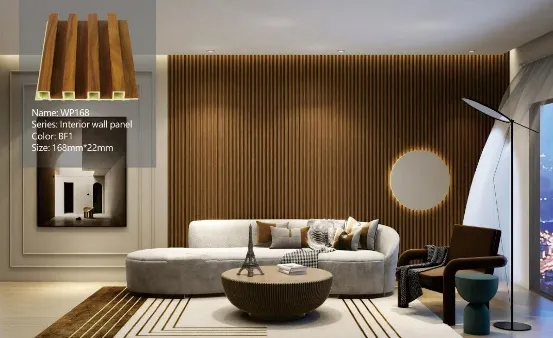
In the journey toward LEED certification, a WPC wall panel supplier is far more than a provider of materials. They are a consultative partner, a quality gatekeeper, and a sustainability advocate, working alongside architects, contractors, and developers to align every decision with green building goals. Let's break down their key responsibilities:
LEED certification is a complex process, with credits awarded across categories like Energy Efficiency, Water Conservation, Indoor Environmental Quality, and Materials and Resources. A knowledgeable WPC wall panel supplier doesn't just hand over a catalog—they take the time to understand the project's specific LEED targets. For example, if a project aims to maximize MR Credit 4 (Recycled Content), the supplier can recommend WPC panels with high recycled plastic content, providing detailed documentation to prove compliance. If Indoor Environmental Quality (EQ) is a priority, they might highlight low-VOC (Volatile Organic Compound) WPC options, which emit minimal harmful gases, supporting EQ Credit 1 (Indoor Air Quality). This level of consultation ensures that material choices are not just sustainable in theory but tailored to the project's unique certification goals.
LEED-certified buildings don't have to compromise on design—and neither should WPC wall panels. A leading WPC wall panel supplier offers customization options to meet both aesthetic and functional needs. This might include custom sizes to minimize waste (supporting MR Credit 2: Construction Waste Management), color matching to align with the project's design palette, or texture variations that mimic natural materials like wood or stone without the environmental cost. For commercial projects, such as a LEED-certified office lobby, the supplier might develop fire-retardant WPC panels to meet safety codes while maintaining sustainability. For residential buildings, they could offer moisture-resistant WPC solutions for bathrooms or kitchens, reducing the need for chemical treatments. By providing tailored WPC wall panel solutions, suppliers ensure that sustainability and design excellence coexist.
LEED certification demands rigorous documentation, and material quality is non-negotiable. A reputable WPC wall panel supplier implements strict quality control measures, from raw material sourcing to production and delivery. They conduct third-party testing to verify claims like recycled content, VOC emissions, and durability, providing certifications such as GREENGUARD (for low chemical emissions) or FSC (Forest Stewardship Council) for responsibly sourced wood fibers. These documents are critical for LEED applications, as they provide auditors with tangible proof of sustainability. For example, a supplier might share test reports showing that their WPC panels contain 60% recycled plastic, directly contributing to MR Credit 4. Without this level of transparency, projects risk losing valuable credits—or worse, failing certification altogether.
Sustainability isn't just about the product—it's about the entire supply chain. A forward-thinking WPC wall panel supplier prioritizes eco-friendly sourcing and manufacturing practices. This includes partnering with plastic recyclers to secure post-consumer waste, using renewable energy in production facilities, and optimizing logistics to reduce carbon emissions during transportation (supporting LEED's MR Credit 5: Regional Materials, which rewards using materials sourced within 500 miles). Some suppliers even offset unavoidable emissions through reforestation or renewable energy projects, further enhancing a project's sustainability profile. By aligning their own operations with green principles, suppliers ensure that the WPC panels delivered to site are truly sustainable from cradle to gate.
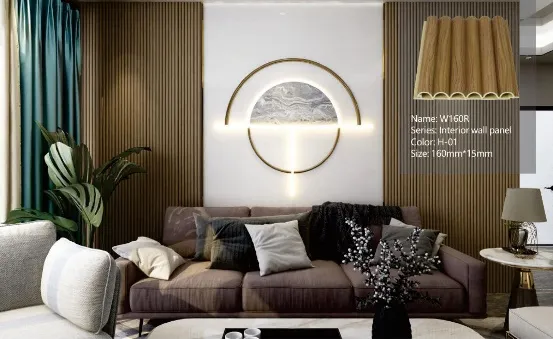
To illustrate the supplier's impact, consider the case of a 10-story commercial office building in Riyadh, Saudi Arabia, aiming for LEED Gold certification. The project's design prioritized sustainability, with goals to reduce energy use by 30% and minimize construction waste by 50%. For the interior common areas—including lobbies, corridors, and meeting rooms—the architects sought wall panels that would enhance aesthetics, meet strict fire safety codes, and contribute to LEED credits. Enter the WPC wall panel supplier, who became a key partner in the project's success.
Early in the design phase, the supplier conducted a LEED goal assessment, identifying opportunities for WPC panels to contribute to MR, EQ, and Innovation in Design (ID) credits. They recommended a custom WPC formulation with 70% recycled content (60% post-consumer plastic, 10% post-industrial wood fibers), which would help the project earn MR Credit 4.2 (Recycled Content—40% or more). To support EQ Credit 1, the supplier provided GREENGUARD Gold-certified panels, guaranteeing low VOC emissions (less than 0.1 mg/m³ for formaldehyde), ensuring healthy indoor air quality for occupants. For the lobby, the supplier customized large-format WPC panels with a wood-grain texture, reducing the number of seams and minimizing installation waste—a boon for MR Credit 2 (Construction Waste Management).
During construction, the supplier worked closely with the contractor to optimize material delivery, scheduling shipments in phases to avoid on-site storage waste. They also provided on-site support, training installers on proper cutting techniques to maximize panel yield. Post-installation, the supplier furnished all necessary documentation: EPDs (Environmental Product Declarations), recycled content reports, and GREENGUARD certification, which the project team used to successfully claim the targeted LEED credits. In the end, the WPC wall panels contributed to 8 of the project's 60 total LEED points, helping it secure LEED Gold certification. As the project architect noted, "The supplier wasn't just a vendor—they were a sustainability consultant who understood how every panel choice impacted our LEED goals."
To fully appreciate WPC's value for LEED projects, it's helpful to compare it with traditional wall panel materials. The table below highlights key differences in sustainability, performance, and LEED credit potential:
| Material | Recycled Content | LEED Credit Potential | Durability | Maintenance Needs | Indoor Air Quality Impact |
|---|---|---|---|---|---|
| WPC Wall Panels | 30-70% (post-consumer plastic + wood waste) | MR (Recycled Content, Regional Materials), EQ (Low VOC), ID (Innovation) | High (resists rot, mold, insects) | Low (no painting, sealing, or staining) | Low VOC emissions; GREENGUARD-certified options available |
| Solid Wood Panels | 0-5% (minimal recycled content) | MR (FSC-certified wood possible, but limited recycled content credits) | Medium (prone to warping, rot, and insect damage) | High (requires regular painting, staining, or sealing) | Low VOC if untreated, but finishes may emit harmful chemicals |
| Vinyl Panels | 0-10% (some recycled plastic) | Limited (may contain phthalates, disqualifying EQ credits) | High (resists moisture but prone to cracking in extreme temps) | Low (easy to clean, but scratches show easily) | High VOC emissions; may release phthalates and plasticizers |
| MDF Panels | 0% (virgin wood fibers + formaldehyde-based adhesives) | Very limited (high formaldehyde emissions; no recycled content) | Low (prone to swelling in moisture; not suitable for wet areas) | Medium (requires painting to seal; susceptible to water damage) | High formaldehyde emissions; poor indoor air quality |
As the table shows, WPC wall panels outperform traditional materials in sustainability, LEED credit potential, and long-term performance. For LEED-certified projects, this isn't just a material choice—it's a strategic investment in both the environment and the building's lifecycle.
Despite its benefits, WPC wall panels still face misconceptions that can hinder adoption in LEED projects. A proactive WPC wall panel supplier plays a critical role in dispelling these myths:
While WPC panels may have a higher upfront cost than MDF or low-grade vinyl, their lifecycle cost is significantly lower. A supplier can provide a lifecycle cost analysis, showing that reduced maintenance (no painting, sealing, or replacement due to rot) and longer lifespan (15-20 years vs. 5-10 for wood or vinyl) result in net savings over time. For LEED projects, this aligns with the "whole-building" approach to sustainability, emphasizing long-term value over short-term costs.
Modern WPC manufacturing has come a long way in mimicking natural materials. Suppliers offer a range of textures, colors, and finishes—from smooth oak to rustic cedar—that are nearly indistinguishable from solid wood. Many even provide samples and digital renderings to help architects visualize the final result, proving that sustainability doesn't require sacrificing beauty.
This couldn't be further from the truth. By providing detailed documentation—EPDs, recycled content reports, and third-party certifications—suppliers can quantify WPC's environmental impact, making it easy for projects to claim LEED credits. Some suppliers even partner with LEED consultants to pre-calculate credit potential, giving projects confidence in their material choices.
Achieving LEED certification is a team effort, and the WPC wall panel supplier is an indispensable member of that team. More than just a provider of interior decoration materials, they are a sustainability strategist, guiding projects through the complexities of green building while delivering high-performance WPC wall panel solutions. From expert consultation and custom design to quality assurance and documentation, their role is multifaceted and mission-critical.
As the demand for LEED-certified buildings continues to grow—driven by climate goals, regulatory pressures, and consumer demand for eco-friendly spaces—the partnership between developers and WPC wall panel suppliers will only deepen. By choosing a supplier who prioritizes sustainability, innovation, and collaboration, projects can transform their LEED aspirations into reality, one panel at a time. In the end, the true measure of a WPC wall panel supplier isn't just the quality of their products, but their ability to turn green building goals into tangible, certified success.
Recommend Products











