
In the world of construction, time is more than just a metric—it's the lifeblood of projects, the difference between profit and loss, and the key to maintaining trust with clients. Every day a project is delayed can cascade into missed deadlines, increased labor costs, strained contractor relationships, and even legal disputes. Amidst the chaos of concrete pours, steel erections, and electrical wiring, one often overlooked hero quietly keeps the wheels turning: the materials supplier. And when it comes to plumbing systems—the invisible backbone of any building—few suppliers play a more critical role than the UPVC pipe supplier. This isn't just about delivering tubes of plastic; it's about ensuring that the right materials arrive at the right time, in the right condition, and with the right support to keep construction moving forward. Let's dive into how these suppliers become unsung partners in hitting those all-important construction timelines.
To understand the role of a UPVC pipe supplier, we first need to grasp just how precarious construction timelines can be. A typical project involves dozens of moving parts: architects refining blueprints, contractors coordinating labor, inspectors signing off on phases, and suppliers delivering everything from cement to wiring. Each of these steps is interdependent. Miss a delivery of steel rebar, and the foundation can't be poured. Delay the electrical rough-in, and drywall installation gets pushed back. Now, imagine inserting plumbing systems into this mix—systems that run through walls, under floors, and behind ceilings, often installed early in the construction process. If the pipes arrive late, or worse, are defective, the entire project schedule can grind to a halt.
Consider a mid-sized residential complex in Riyadh, where the contractor planned to start plumbing installation on the 10th floor by week 12. The UPVC pipes, however, were held up at the port due to customs delays. By the time they arrived, the 10th floor was already closed up with drywall, forcing workers to tear down sections, install the pipes, and re-do the drywall. What should have taken 3 days stretched into 2 weeks, and the delay rippled downward: painters couldn't start, flooring installers were left waiting, and the project ultimately finished 6 weeks late. The cost? Tens of thousands of dollars in overtime, plus a penalty clause in the contract. All because of a single supply chain hiccup.
This scenario isn't an anomaly—it's a cautionary tale repeated across construction sites worldwide. And it's why smart contractors don't just buy materials; they invest in relationships with suppliers who understand that their job isn't done until the project is on time.
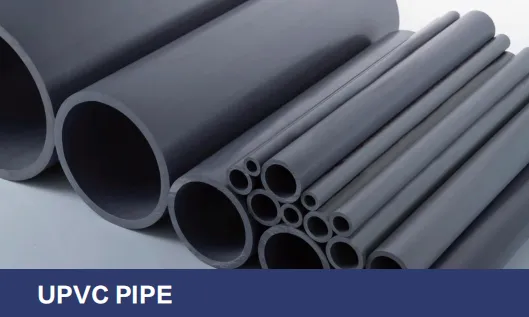
Before we explore the supplier's role, let's clarify why UPVC pipes are such a mainstay in construction. UPVC, or Unplasticized Polyvinyl Chloride, is a rigid, durable plastic that's been used in plumbing for decades. Unlike regular PVC, which contains plasticizers to make it flexible, UPVC is stiffer, stronger, and more resistant to heat, chemicals, and corrosion. These properties make it ideal for everything from potable water lines and drainage systems to industrial piping.
But what really makes UPVC a timeline-friendly material is its ease of installation. Unlike metal pipes (steel or copper), which require welding or threading—time-consuming processes that demand skilled labor—UPVC pipes are lightweight, easy to cut with basic tools, and joined using solvent cement that sets in minutes. A team of two workers can install 100 meters of UPVC pipe in a day, compared to half that with metal pipes. For contractors racing to meet deadlines, this speed is invaluable.
UPVC also holds up well in harsh environments, which is critical in regions like Saudi Arabia, where extreme temperatures and sand can degrade lesser materials. A quality UPVC pipe won't warp in 50°C summer heat or corrode from salty groundwater, reducing the need for costly repairs down the line. In short, UPVC isn't just a pipe—it's a time-saving, cost-effective solution. But none of these benefits matter if the pipes don't arrive when they're needed.
A UPVC pipe supplier isn't just a vendor—they're a logistics expert, a quality control officer, a technical advisor, and a crisis manager, all rolled into one. Their impact on construction timelines starts long before the first truck arrives on-site and continues long after the pipes are installed. Let's break down the key ways they keep projects on track.
The best suppliers don't wait for a purchase order—they engage during the pre-construction phase. By collaborating with contractors and architects, they can review blueprints, calculate material quantities (a process called "material take-off"), and align delivery schedules with construction milestones. For example, if the 3rd floor plumbing rough-in is scheduled for week 8, the supplier will ensure pipes and fittings arrive by week 7, giving the contractor time to inspect and prepare. This proactive planning prevents last-minute scrambles and ensures materials are on-site when the crew is ready to work.
Consider a hospital project in Jeddah, where precision is non-negotiable. The contractor needed Class A fireproof materials for certain sections (a requirement for healthcare facilities), but also standard UPVC for general plumbing. A one-stop architectural solution provider—who could supply both the specialized fireproof boards and UPVC pipes—was able to coordinate deliveries so that each material arrived exactly when the corresponding construction phase began. No overlapping storage issues, no delays waiting for one material to clear before the next could be installed. The result? The plumbing phase finished 10 days ahead of schedule.
Construction sites have limited storage space, and storing materials for weeks (or months) ties up cash and risks damage. A skilled UPVC pipe supplier uses "just-in-time" (JIT) inventory management to deliver materials exactly when they're needed—not too early, not too late. This requires close communication with the contractor: daily check-ins, updates on construction progress, and flexibility to adjust delivery dates if the schedule shifts.
Take a commercial mall project in Dubai, where space was at a premium. The supplier used a local warehouse to stock UPVC pipes and fittings, then delivered small batches twice weekly based on the contractor's daily needs. This prevented the site from being cluttered with excess materials, reduced the risk of theft or damage, and ensured workers always had what they needed to keep moving. When the project hit a snag with the steel structure (delaying the 5th floor by 3 days), the supplier adjusted the delivery of 5th-floor pipes accordingly, avoiding wasted storage costs and keeping the overall timeline intact.
A defective pipe can be a timeline disaster. Imagine installing 200 meters of UPVC only to discover a hairline crack in one section—suddenly, you're tearing out walls, removing the damaged pipe, and reinstalling, all while the clock ticks. A reputable UPVC pipe supplier avoids this by implementing strict quality control measures: testing samples from every batch for pressure resistance, dimensional accuracy, and chemical stability. They also provide certificates of compliance, giving contractors peace of mind that the materials meet industry standards (like ASTM or DIN specifications).
In one case, a school project in Riyadh nearly faced a major setback when a batch of UPVC pipes from a low-cost supplier failed a pressure test. The contractor, already on a tight deadline, switched to a supplier with a proven quality record. The new supplier rushed a replacement batch with 24-hour delivery and provided on-site testing to verify the pipes' integrity. While there was a 1-day delay, it was far better than the weeks of rework that would have followed a failed inspection later.
Even the best materials can cause delays if installed incorrectly. UPVC pipes, for example, require precise cutting and proper solvent cement application to ensure watertight joints. A good supplier doesn't just drop off the materials—they offer technical support, from training installers on best practices to sending reps to the site to troubleshoot issues.
During a residential project in Dammam, a crew unfamiliar with UPVC installation was struggling to get the solvent cement to set properly in the humid weather. The supplier's technical team arrived within hours, demonstrated the correct application technique (including adjusting the cement-to-pipe ratio for humidity), and even provided a few extra cans of quick-set cement. The crew finished the installation that day, avoiding a potential 3-day delay.
In Saudi Arabia, logistics can be a minefield for construction materials. Long distances between cities, congested ports, and extreme weather can all derail delivery schedules. A local UPVC pipe supplier—familiar with regional transport routes, customs procedures, and seasonal challenges—has the advantage here. They know to avoid certain roads during sandstorms, to schedule deliveries early in the morning to beat summer heat, and to work with reliable transporters who understand the urgency of construction timelines.
For a remote housing project in Al Khobar, the supplier used refrigerated trucks to transport UPVC pipes during the summer, preventing warping in high temperatures. They also coordinated with local authorities to secure permits for oversized loads, ensuring the pipes arrived in one piece. These small, logistical details added up to on-time delivery and a grateful contractor.
To truly appreciate the impact of UPVC on construction timelines, it helps to compare it with other common piping materials. Below is a breakdown of how UPVC stacks up against PPR (Polypropylene Random Copolymer) and PVC DWV (Drainage, Waste, and Vent) pipes—two alternatives often used in construction—across key factors that affect installation speed and project delays.
| Factor | UPVC Pipes | PPR Pipes | PVC DWV Pipes |
|---|---|---|---|
| Installation Time (per 100m) | 8–10 hours (2 workers) | 12–15 hours (requires heat fusion equipment) | 10–12 hours (similar to UPVC but less rigid) |
| Joint Setting Time | 15–30 minutes (solvent cement) | 30–60 minutes (cooling time after fusion) | 15–30 minutes (solvent cement) |
| Labor Skill Required | Basic (training in 1 day) | Moderate (certification in heat fusion) | Basic (similar to UPVC) |
| Durability in Harsh Conditions | High (resists heat, corrosion, chemicals) | High (good for hot water, but less rigid than UPVC) | Moderate (not for high-pressure systems) |
| Typical Project Delays (per 100m) | Low (minimal rework, fast installation) | Medium (equipment issues, fusion errors) | Medium (less rigid, more prone to misalignment) |
As the table shows, UPVC pipes consistently outperform alternatives in terms of installation speed and reliability—two factors that directly impact construction timelines. While PPR is excellent for hot water systems and PVC DWV for drainage, UPVC's versatility, ease of use, and durability make it a go-to choice for contractors prioritizing speed without sacrificing quality. And when paired with a supplier who understands these nuances—who can recommend the right pipe for the job and deliver it on time—UPVC becomes an even more powerful tool for keeping projects on track.
Challenge: The hospital needed to expand its emergency wing to accommodate growing patient numbers, with a strict deadline of 6 months to avoid overcrowding. The plumbing phase, which included installing UPVC water lines and PPR hot water systems, was scheduled to take 4 weeks. Initial delays with the steel structure pushed the start date back by 2 weeks, leaving just 2 weeks for plumbing—a near-impossible timeline with a traditional supplier.
Solution: The contractor partnered with a local UPVC pipe supplier who also offered PPR pipe and fitting solutions (a one-stop shop for all plumbing needs). Here's how they turned things around:
Result: The plumbing phase was completed in 10 days—2 days under the revised 2-week schedule. The emergency wing opened on time, and the contractor saved $45,000 in overtime costs. The hospital's chief engineer later noted, "We couldn't have done it without a supplier who treated our deadline like their own."
This case study illustrates a critical point: a UPVC pipe supplier isn't just delivering materials—they're delivering peace of mind. By anticipating challenges, offering flexible solutions, and prioritizing the project's success over short-term profits, they become an extension of the construction team, working hand-in-hand to meet even the tightest deadlines.
As construction evolves, so too does the role of the UPVC pipe supplier. Today's leading suppliers are leveraging technology to further streamline timelines. For example, some use AI-powered inventory management systems that predict material needs based on project blueprints and historical data, reducing overstocking and understocking. Others offer BIM (Building Information Modeling) integration, where 3D models of their pipes and fittings are uploaded directly into the project's BIM software, allowing contractors to visualize installations before breaking ground and catch potential issues early.
Sustainability is also shaping the industry. Modern UPVC pipes are made with recycled materials, and suppliers are investing in eco-friendly manufacturing processes that reduce waste. For contractors aiming for green building certifications (like LEED), partnering with a sustainable UPVC supplier can speed up the certification process, as materials are already compliant with environmental standards. Long-term, this sustainability also reduces maintenance needs—UPVC pipes can last 50+ years, meaning fewer replacements and less disruption to building operations down the line.
Perhaps most importantly, the rise of one-stop architectural solution providers—suppliers who offer not just UPVC pipes but also walls, flooring, and other building materials—means contractors can coordinate all material deliveries through a single point of contact. This simplifies communication, reduces logistical headaches, and ensures all materials arrive in sync, further protecting timelines.
Construction timelines are a balancing act, and every stakeholder has a role to play. Architects design efficiently, contractors manage labor, and inspectors ensure compliance. But without reliable materials, even the best-laid plans fall apart. In this ecosystem, the UPVC pipe supplier emerges as a critical partner—one who doesn't just deliver products, but delivers confidence : confidence that the materials will arrive on time, that they'll work as promised, and that if something goes wrong, there's a team ready to fix it fast.
For contractors in Saudi Arabia and beyond, choosing the right UPVC pipe supplier isn't just a purchasing decision—it's a strategic one. It's about finding a partner who understands the local market, the pressures of tight deadlines, and the importance of quality. It's about someone who sees your project's success as their own. Because in construction, time waits for no one—but with the right supplier, you might just outrun it.
Recommend Products












