
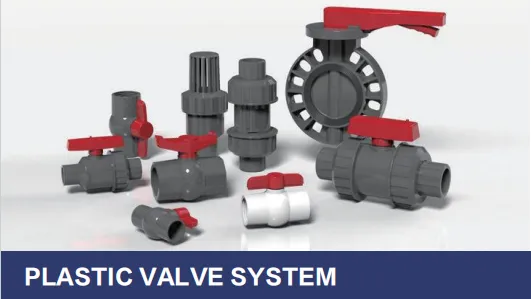
In the quiet background of every modern building—whether it's the bustling hospital where life-saving procedures unfold, the school where children learn and grow, or the cozy home where families gather—lies an unsung hero: the plumbing system. It's the invisible network that delivers clean water, removes waste, and ensures safety and comfort. Yet, behind every reliable plumbing system is a critical partner: the suppliers who provide the materials that make it all possible. Among these, plastic valve systems suppliers stand out as linchpins, bridging innovation, quality, and practicality to meet the evolving demands of today's construction landscape. Let's dive into how these suppliers shape the plumbing infrastructure we rely on, and why their role is more vital than ever.
Plumbing has come a long way since the days of lead pipes in ancient Rome or cast-iron systems of the 19th century. For decades, metal—copper, galvanized steel, and cast iron—dominated the industry. While durable, these materials came with significant drawbacks: they were heavy, prone to corrosion, expensive to transport, and labor-intensive to install. A 50-foot section of cast-iron pipe, for example, could weigh over 300 pounds, requiring multiple workers to maneuver. Copper, though more lightweight, was susceptible to pinhole leaks over time, especially in areas with aggressive water chemistry.
Enter plastic. In the mid-20th century, materials like PVC (polyvinyl chloride) and later UPVC (unplasticized PVC) began to revolutionize plumbing. By the 1980s, plastic pipes and valves had become mainstream, and today, they're the go-to choice for most residential, commercial, and industrial projects. Why? Plastic offered a trifecta of benefits: it was lightweight (a 50-foot UPVC pipe weighs just 25 pounds), resistant to rust and chemical corrosion, and significantly cheaper than metal. Plus, its flexibility made installation faster—no need for welding or heavy machinery. Suddenly, a plumber could carry a bundle of pipes in a truck bed instead of hiring a crane.
But plastic's rise wasn't just about convenience. As building codes evolved to prioritize safety, sustainability, and efficiency, plastic materials adapted. Today's plastic valve systems and pipes aren't one-size-fits-all; they're engineered for specific needs: Class A fireproof CPL inorganic boards for hospitals and schools, CPVC Sch80 high-pressure piping systems for industrial facilities, and PPR pipes and fittings for hot water systems in homes. This specialization is where plastic valve systems suppliers step in—not just as vendors, but as problem-solvers who understand the unique challenges of each project.
If you think a plastic valve systems supplier's job is simply to deliver boxes of valves and pipes to a construction site, think again. In today's complex building environment, these suppliers wear many hats: they're product experts, quality guardians, technical advisors, and sustainability partners. Let's break down their multifaceted role.
Modern construction projects rarely use a single type of pipe or valve. A high-rise apartment building, for example, might require PVC DWV pipes for drainage (DWV stands for Drain, Waste, Vent), UPVC pipes for cold water supply, PPR pipes and fittings for hot water lines, and plastic valve systems to control flow and pressure throughout. A reputable supplier doesn't just offer one product—they curate a comprehensive portfolio to meet every need under one roof.
Take, for instance, a hospital project. Hospitals demand materials that are fire-resistant, easy to clean, and durable. A supplier might provide Class A fireproof CPL inorganic boards for wall panels (to meet strict fire safety codes) alongside CPVC Sch80 high-pressure piping systems for medical gas lines, which require materials that can withstand high pressure and frequent sterilization. By offering this range, suppliers simplify the procurement process for contractors, reducing the need to coordinate with multiple vendors and minimizing delays.
| Plumbing Component | Key Applications | Why It Matters | Supplier's Role |
|---|---|---|---|
| Plastic Valve Systems | Flow control in water supply, drainage, and industrial systems | Prevents leaks, regulates pressure, and ensures system efficiency | Offers valves in various sizes (1/2" to 24") and materials (PVC, CPVC, PPR) to match project specs |
| PVC DWV Pipes | Residential and commercial drainage systems | Lightweight, corrosion-resistant, and designed for quick installation | Provides pipes with leak-proof joints and compliance with ASTM D2665 standards |
| UPVC Pipes | Cold water supply lines, irrigation systems | High strength-to-weight ratio; ideal for underground and above-ground use | Supplies UV-stabilized pipes for outdoor applications and color-coded options for easy identification |
| PPR Pipes & Fittings | Hot and cold water systems in homes, hotels, and hospitals | Heat-resistant (up to 95°C), flexible, and low maintenance | Offers fusion-welded fittings for leak-free connections and technical guidance on installation |
| CPVC Sch80 High-Pressure Piping | Industrial facilities, commercial buildings with high water pressure | Withstands pressures up to 200 psi and temperatures up to 180°F | Provides third-party certified pipes to meet ASME B36.10M standards for safety |
In plumbing, a single faulty valve or weak pipe can lead to catastrophic consequences: water damage, mold growth, or even structural failure. That's why quality isn't just a buzzword for plastic valve systems suppliers—it's a responsibility. Reputable suppliers invest heavily in ensuring their products meet or exceed global standards, from ASTM (American Society for Testing and Materials) to DIN (Deutsches Institut für Normung) and ISO (International Organization for Standardization).
For example, a PVC DWV pipe supplier won't just ship pipes off the production line; they'll subject samples to rigorous testing: hydrostatic pressure tests to check for leaks, impact tests to ensure durability in cold weather, and chemical resistance tests to confirm they can handle harsh cleaning agents. Similarly, a plastic valve system supplier will test valves for tightness, pressure endurance, and wear over thousands of cycles. These tests aren't just box-ticking—they're how suppliers build trust with contractors and ensure that the buildings we occupy are safe.
Compliance is especially critical in specialized sectors. Take hospitals: a Class A fireproof CPL inorganic board supplier must provide materials that meet NFPA 286 standards for flame spread and smoke development. Schools, too, require fire-resistant materials to protect students and staff. Suppliers act as gatekeepers here, ensuring that every product they deliver has the certifications to back up its claims. For contractors, this means peace of mind—they can focus on building, knowing the materials they're using are reliable.
Plumbing systems aren't just about connecting pipes—they're about solving problems. A contractor building a luxury hotel, for example, might need to design a plumbing system that minimizes noise (no one wants to hear water rushing through walls in a 5-star suite). A school might require pipes that are easy to repair without disrupting classes. In these cases, a plastic valve systems supplier isn't just a vendor—they're a technical partner.
Many suppliers employ in-house engineers who work directly with contractors and architects to tailor solutions. Suppose a contractor is unsure whether to use UPVC pipes or PPR pipes for a residential project. A supplier's engineer can analyze factors like local water temperature, pressure, and soil conditions to recommend the best option. For a high-rise building, they might suggest CPVC Sch80 high-pressure piping systems for the lower floors (where water pressure is highest) and standard UPVC for upper floors, balancing performance and cost.
Installation support is another area where suppliers shine. Plastic pipes and valves often require specialized techniques—like heat fusion for PPR fittings or solvent welding for PVC. Suppliers frequently offer on-site training sessions, where their technicians demonstrate proper installation methods, share tips to avoid common mistakes (like over-tightening valves), and answer questions in real time. This hands-on support reduces the risk of errors that could lead to callbacks or costly repairs later.
Today's construction industry isn't just about building structures—it's about building sustainably. With governments and clients increasingly demanding eco-friendly projects, plastic valve systems suppliers are stepping up to reduce the environmental footprint of plumbing materials. How? By focusing on three key areas: material efficiency, recyclability, and energy conservation.
First, plastic itself is inherently sustainable compared to metal. Producing PVC pipes, for example, requires 50% less energy than producing copper pipes, and transporting them emits 70% fewer greenhouse gases due to their lighter weight. Many suppliers now use recycled plastic in their products—up to 30% recycled content in some PVC DWV pipes —without compromising strength. Others are investing in bio-based plastics, like bamboo-reinforced pipes, which reduce reliance on fossil fuels.
Second, suppliers are designing products for longevity and recyclability. A well-made UPVC pipe can last 50+ years, reducing the need for frequent replacements. When it does reach the end of its life, many plastic pipes are recyclable, and some suppliers even offer take-back programs for old materials. This circular approach aligns with global sustainability goals, like the UN's Sustainable Development Goal 12 (Responsible Consumption and Production).
Finally, suppliers are supporting water conservation through innovative products. Low-flow valves, for example, reduce water usage by up to 30% without sacrificing performance. Smart valves with IoT sensors can detect leaks in real time, preventing water waste and damage. By offering these solutions, suppliers help clients meet green building certifications like LEED (Leadership in Energy and Environmental Design), which can increase a building's value and appeal.
To truly understand the role of a plastic valve systems supplier, let's look at two real-world scenarios where their expertise made a difference.
A major hospital in Riyadh needed to expand its emergency department to accommodate growing patient numbers. The project had tight deadlines and strict requirements: all materials had to be Class A fireproof, easy to clean, and resistant to chemicals (since the area would be frequently disinfected). The contractor initially struggled to find a single supplier who could meet all these needs.
Enter a local plastic valve systems supplier with a diverse portfolio. The supplier recommended Class A fireproof CPL inorganic boards for the walls, which are non-combustible, mold-resistant, and smooth enough for easy cleaning. For the plumbing system, they provided CPVC Sch80 high-pressure piping systems for medical gas lines (to withstand high pressure and frequent sterilization) and PVC DWV pipes for drainage, which are lightweight and quick to install—critical for meeting the project's tight timeline.
The supplier didn't stop there. Their engineers worked with the contractor to design a noise-reduction system for the pipes, ensuring the emergency department remained quiet for patients. They also provided on-site training for the installation team, ensuring that the CPL boards and CPVC pipes were installed correctly the first time. The result? The emergency department opened on schedule, with a plumbing system that has operated flawlessly for over two years—no leaks, no maintenance issues, and full compliance with Saudi building codes.
A developer in Dubai wanted to build a 20-story residential complex with a focus on sustainability and energy efficiency. The goal was to achieve LEED Gold certification, which required reducing water usage by 20% and using recycled materials wherever possible.
The project's plastic valve systems supplier played a key role in meeting these goals. They recommended PPR pipes and fittings for the hot water system, which are energy-efficient (their smooth interior reduces heat loss) and made with 25% recycled plastic. For the cold water supply, they provided UPVC pipes that are 100% recyclable and UV-stabilized to withstand Dubai's harsh sun. To reduce water usage, the supplier suggested low-flow plastic valves for sinks and showers, which cut water consumption by 22%—exceeding the LEED requirement.
The supplier also supported the project's sustainability goals through logistics: they used electric delivery trucks to transport materials, reducing carbon emissions, and provided digital documentation (instead of paper) for all product certifications. Thanks to these efforts, the complex achieved LEED Gold certification, making it one of Dubai's most eco-friendly residential buildings. Today, residents enjoy lower utility bills, and the developer has seen increased demand for units in the complex.
As construction technology evolves, so too will the role of plastic valve systems suppliers. Here are three trends shaping their future:
1. Smart Plumbing Integration: The rise of smart buildings is driving demand for "connected" plumbing systems. Future plastic valve systems may include IoT sensors that monitor pressure, temperature, and flow in real time, sending alerts to maintenance teams if issues arise. Suppliers will need to partner with tech companies to develop these smart valves and provide the technical support to integrate them into building management systems.
2. Customization for Niche Markets: As buildings become more specialized—think zero-waste offices, vertical farms, or space-saving micro-apartments—suppliers will need to offer highly customized solutions. A vertical farm, for example, might require tiny-diameter PPR pipes for irrigation, while a micro-apartment could need space-saving PVC DWV pipes that fit in thin walls. Suppliers who can quickly adapt to these niche needs will thrive.
3. Circular Economy Practices: Sustainability will only grow in importance, and suppliers will play a bigger role in the circular economy. This could mean offering take-back programs for old pipes, using 100% recycled materials, or even leasing valves and pipes (instead of selling them) to encourage return and reuse. Suppliers who prioritize circularity won't just meet client demands—they'll reduce their own costs and environmental impact.
Plastic valve systems suppliers are far more than just vendors—they're integral to the success of modern construction projects. From providing a diverse range of high-quality materials to offering technical expertise, ensuring compliance, and driving sustainability, they bridge the gap between innovation and real-world application. In a world where buildings are expected to be safer, more efficient, and more sustainable than ever, these suppliers are the quiet partners making it all possible.
The next time you turn on a faucet, flush a toilet, or walk into a hospital room, take a moment to appreciate the invisible network of pipes and valves that makes it all work. And remember: behind that network is a plastic valve systems supplier, working tirelessly to build the infrastructure of our future.
Recommend Products












