
Why modern renters prioritize appliance quality more than ever in today's evolving housing landscape
Remember when renting an apartment meant settling for that rusty old fridge that groaned louder than your upstairs neighbor? Or praying the decades-old washing machine didn't flood your unit? Those days are fading fast . Today's rental market isn't just growing—it's transforming what people expect from their homes. Suddenly, appliance quality has rocketed from an afterthought to a deal-making necessity.
What's driving this change? Think about the new generation flooding the rental scene: millennials juggling remote jobs who actually cook , Gen Zers willing to pay extra for convenience, and downsizing boomers tired of maintenance hassles. For them, a high-performing fridge isn't a luxury—it's non-negotiable infrastructure. As urban migration accelerates and remote work untethers people from offices, the places they choose to live need to function like high-efficiency ecosystems.
Landlords are catching on too. They're noticing tenants stay longer when they're not fighting mold in a leaky refrigerator or sweating through July because the AC is dying. Good appliances build relationships, plain and simple. And in competitive markets, a stainless steel Samsung smart fridge can be the difference between a vacancy and a signed lease.
You'd never buy a car without checking the engine, right? Well, renters are applying that same scrutiny to three core appliances that shape daily life:
The Refrigerator Renaissance - Modern renters view fridges as health guardians. Energy Star-rated models maintain precise temperatures, while French door designs accommodate meal prep lifestyles. Noise matters too—nothing kills the vibe like a rumbling ice-maker during Zoom calls. And it's not just about keeping milk cold anymore; with pandemic habits sticking, fridge-freezer combos need to handle bulk groceries without buckling.
Washing Machines That Work Smarter - Small-space living demands efficiency. Stackable washer-dryers have evolved from space-savers to performance champs with steam cycles that nuke stains. Top-loaders with impeller tech prevent laundry tangles that feel like bad relationship metaphors , while Wi-Fi connectivity means starting a load remotely—ideal for gig workers with unpredictable schedules. Forget coin-operated dinosaurs; tenants want machines that get clothes cleaner faster.
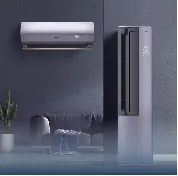
Air Conditioning That Actually Cools - Climate change isn't just headlines—it's sweaty reality in heatwave-plagued summers. Renters prioritize efficient cooling systems specifically because:
Recent apartment market data shows buildings with Energy Star-certified appliances have 11% lower vacancy rates and command 5-8% higher rents compared to units with dated models.
Flashy rooftop pools and swanky lobbies grab attention, but long-lasting appliances keep tenants planted. Why? Because reliability translates to everyday quality of life. A washer that lasts 8-10 years instead of 4-5? That's less disruptive maintenance, fewer flooded floors, and way less friction between renters and landlords.
Property managers report the modern renter's approach: "Will I need to hassle management about repairs every month?" They're researching appliance brands before touring units. Bosch dishwashers, LG front-loaders, Mitsubishi mini-splits—these aren't random names; they're signals of trouble-free operation. Durable appliances minimize what renters fear most: surprise disruptions and hidden costs when something breaks.
It's not just about sturdiness though—it's smarter materials solving persistent headaches. Think stainless interiors resisting stains and odors in refrigerators, vibration-dampening tech in washers keeping noise below "library whisper" levels, and antimicrobial coatings preventing funky smells in ductless ACs. Combined with eco-friendly design principles like water efficiency, these innovations create the perfect storm of value and reliability .
Appliances are morphing from utilitarian boxes into intelligent home partners . Modern refrigerators with cameras let you peek inside remotely—no more second-guessing if you need milk while at the store. Wi-Fi-enabled washers diagnose problems before breakdowns occur, alerting property managers proactively. These features shift tenant-landlord dynamics from reactive headaches to smooth, invisible maintenance.
Smart integrations enhance convenience in tangible ways:
And here's where it impacts rental decisions: over 68% of millennial renters surveyed state they'd pay $100+ more monthly for homes with connected appliances. Why? Because time saved on chores equals freedom gained for living. For landlords, installing one integrated ecosystem avoids mismatched retrofitting down the road. Future-proof units attract high-value long-term occupants .
Landlords aren't spending thousands on premium appliances out of kindness—there's hard math proving it pays off. Consider the breakdown:
Operationally, it changes maintenance requests too. Instead of "my AC is dead—again!" calls, managers receive automated alerts about maintenance needs. This predictive care slashes emergency HVAC visits by 30-40% according to property tech firms. Tenants, meanwhile, appreciate fast fixes and self-solve options via app diagnostics. The result? Less friction, better reviews, more referrals .
There's also generational shift happening in commercial property investments specifically focused on appliance upgrades. REITs targeting rental properties now allocate capital specifically for appliance refresh cycles every 5-7 years—a strategy unheard of a decade ago but critical now. Why? Because high-performing appliances become marketing assets that outperform splashy common areas for tenant retention.
So what's cooking for tomorrow? Expect integrated appliance ecosystems designed around sustainable living goals—units connecting refrigeration, laundry, and climate control into energy-tracking platforms. We're already seeing prototypes with AI suggestions like "Running the dishwasher at 9pm saves $120 annually with your utility's off-peak rates."
Material science breakthroughs will make appliances tougher while needing fewer rare metals. Landlords will leverage appliances as wellness assets—think UV sanitization cycles in washers defeating allergens or fridges optimizing humidity for produce longevity. And here's the exciting part: pay-per-use models where tenants access premium appliances without ownership hassles.
The future rental market winner won't have marble countertops as its star feature. It'll have a silent, efficient refrigerator that never quits, a washer tackling gym clothes without drama, and an AC maintaining perfect conditions while barely sipping electricity. Because for modern renters, exceptional appliances aren't bonuses—they're baseline expectations that make a space feel like home.
Recommend Products












