

In the world of construction, materials don't just build structures—they shape how we experience space, define architectural identities, and even influence the sustainability of our cities. Over the past decade, a quiet revolution has been unfolding in the realm of building exteriors: the ascent of MCM flexible cladding stone wall panel solutions. As urban skylines grow taller and design ambitions bolder, architects and builders are increasingly turning to materials that blend durability, creativity, and practicality. For residential and commercial building materials suppliers, this shift isn't just a trend—it's a response to a global demand for smarter, more adaptable architectural façade solutions. Let's dive into how these innovative panels are redefining the future of construction, one façade at a time.
First things first: MCM stands for "Modified Composite Material," but don't let the technical name fool you. At their core, MCM flexible cladding stone wall panels are a hybrid innovation—think of them as the Swiss Army knife of building materials. They're crafted by combining natural mineral aggregates (like stone powder or ceramic) with high-performance resins and reinforcing fibers, resulting in a material that's both lightweight and surprisingly tough. What truly sets them apart, though, is their flexibility. Unlike rigid natural stone or heavy ceramic tiles, these panels can bend, curve, and conform to the most intricate architectural shapes, opening up a world of design possibilities that were once impossible or prohibitively expensive.
Manufacturers have refined the process over the years, ensuring that MCM panels don't just mimic the look of natural materials—they often outperform them. Today's panels can replicate the texture of travertine, the sheen of marble, the warmth of wood, or even the industrial edge of metal, all while weighing a fraction of the real thing. For a mcm flexible cladding stone wall panel supplier, this versatility is key: it means one product can cater to a spectrum of projects, from sleek modern offices to cozy residential homes.
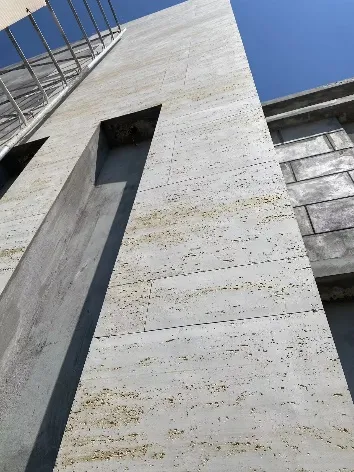
To understand the rise of MCM panels, you need to look at the problems they solve. Traditional cladding materials—natural stone, brick, or even early composite panels—often came with trade-offs: too heavy, too brittle, too hard to install, or too limited in design. MCM panels flip that script with a list of benefits that check nearly every box on a builder's wishlist:
Weighing in at just 3–5 kg per square meter, MCM panels are up to 80% lighter than natural granite or marble. This isn't just a convenience—it's a game-changer for structural engineering. Lighter cladding reduces the load on a building's foundation and frame, allowing architects to design taller, more ambitious structures without compromising safety. For high-rise residential towers or commercial skyscrapers, this translates to lower construction costs and faster build times.
Imagine a building with a curved façade that flows like a wave, or a retail store with a undulating exterior that catches the eye. With rigid materials, such designs would require custom-cutting every piece, driving up costs and waste. MCM panels, however, can flex up to 30 degrees without cracking, making those sweeping curves and organic shapes achievable. This flexibility has made them a favorite for architects aiming to create "statement" buildings that stand out in crowded cityscapes.
Don't let their lightweight nature fool you—MCM panels are tough. They're resistant to UV rays (so colors won't fade in harsh sunlight), moisture (no warping or rotting), and impact (think hailstorms or accidental bumps during construction). Many suppliers offer warranties of 15–20 years, and real-world projects have shown panels lasting even longer with minimal maintenance. For commercial building materials suppliers, this durability is a selling point: clients know they won't be facing costly repairs or replacements down the line.
Green building isn't a buzzword anymore—it's a requirement. MCM panels deliver here, too. Many are made with recycled materials, and their lightweight design reduces transportation emissions (fewer trucks needed to haul them). Their long lifespan also means less waste from replacements, and some variants are fully recyclable at the end of their life. For projects chasing LEED, BREEAM, or other sustainability certifications, MCM panels are an easy choice.
In commercial spaces like hospitals, schools, or high-rises, fire safety is non-negotiable. Leading mcm flexible cladding stone wall panel suppliers now offer panels with Class A fire ratings, meaning they resist ignition and slow the spread of flames. This makes them suitable for even the most stringent safety codes, a critical factor for commercial building materials suppliers catering to public sector projects.
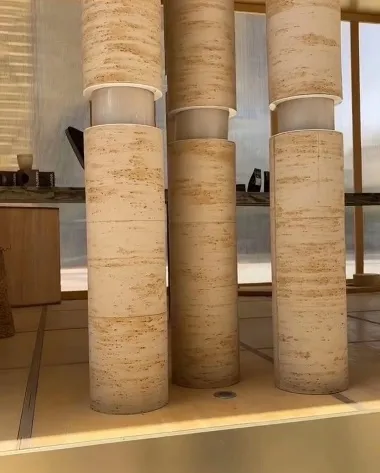
MCM flexible cladding stone wall panels aren't a one-trick pony. Their adaptability has made them a staple for both residential and commercial building materials suppliers, with applications spanning nearly every type of construction project.
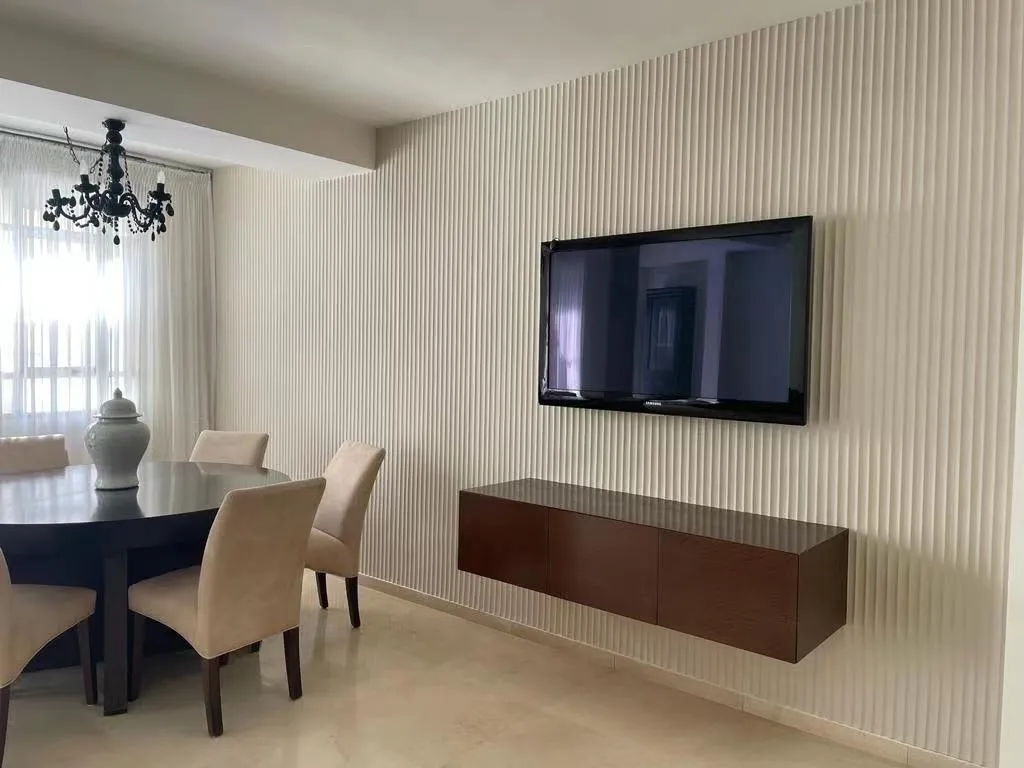
Homeowners today want exteriors that are as unique as their personalities—and as low-maintenance as their busy lives. MCM panels deliver on both fronts. For new builds, they allow for custom colors and textures that mimic everything from rustic stone to sleek concrete, all without the upkeep of natural materials. Imagine a suburban home with a façade that looks like weathered wood but won't fade, peel, or require annual staining. Or a city apartment building with curved MCM panels in soft pastels, standing out in a sea of gray concrete.
Renovations are another sweet spot. Older homes can get a complete facelift with MCM panels, often without the need for structural upgrades (thanks to their light weight). Residential building materials suppliers report a surge in demand for MCM in renovation projects, as homeowners seek to boost curb appeal and property value without the hassle of traditional cladding.
In commercial construction, MCM panels are proving indispensable. Hospitals and schools, for example, benefit from their hygienic, easy-to-clean surfaces and fire-resistant properties. A children's hospital in Tokyo, for instance, used MCM panels in soft, calming blues and greens—materials that resist bacteria growth and can be wiped down daily without losing their finish. For office buildings, MCM panels offer a sleek, professional look that can be tailored to a company's brand identity. A tech firm in Berlin, for example, opted for metallic-finish MCM panels to reflect its innovative vibe, while a law firm in New York chose classic marble-look panels for a timeless, authoritative feel.
Retail spaces, too, are embracing MCM. Stores need exteriors that draw customers in and reflect their brand, and MCM panels allow for bold, custom designs. A luxury fashion boutique in Paris used gold-leaf MCM panels to create a glamorous, high-end façade, while a eco-friendly café in Seattle went with reclaimed wood-look panels to emphasize its sustainability mission. For commercial building materials suppliers, this versatility means MCM panels can serve clients across industries, from healthcare to hospitality to retail.
Walk through construction sites in Dubai, Paris, Singapore, or Chicago, and chances are you'll spot MCM flexible cladding stone wall panels. The global market for these panels is exploding, driven by urbanization, green building trends, and a hunger for architectural innovation. Let's break down the numbers and the forces behind the surge.
Industry reports paint a clear picture: the MCM cladding market is projected to grow at a compound annual growth rate (CAGR) of 12.3% between 2023 and 2030, jumping from $4.2 billion in 2022 to an estimated $9.1 billion by the end of the decade. That's not just steady growth—that's a revolution. So, what's fueling this? Urbanization tops the list. With more than half the world's population now living in cities, and that number expected to hit 68% by 2050, there's a massive demand for new housing, offices, and infrastructure. MCM panels, with their speed of installation and design flexibility, are perfectly suited to keep up with this pace.
The Middle East, in particular, has emerged as a hotspot. Countries like Saudi Arabia, with its Vision 2030 plan to build new cities and modernize existing ones, are turning to MCM panels for their ambitious projects. A mcm flexible cladding stone wall panel supplier operating in Riyadh reports that 40% of its orders now come from mega-projects like NEOM, the futuristic city being built from scratch. In Europe, strict sustainability regulations are driving adoption. The EU's push for carbon-neutral buildings by 2030 has made MCM panels—with their low environmental impact—a go-to for architects aiming to meet green standards. Asia, too, is booming. China and India, with their rapid urban growth, are among the world's largest consumers of MCM panels, using them in everything from high-rise apartments to shopping malls.
North America isn't far behind. The U.S. and Canada are seeing increased demand for MCM in both commercial and residential projects, with a focus on energy efficiency. MCM panels, when paired with insulation, can improve a building's thermal performance, reducing heating and cooling costs—a major selling point in a market where energy prices are on the rise.

To truly understand why MCM flexible cladding stone wall panels are rising so fast, it helps to see how they compare to traditional cladding materials. Below is a breakdown of how MCM holds up against natural stone, ceramic tiles, wood, and aluminum—four of the most common alternatives.
| Feature | MCM Flexible Cladding Panels | Natural Stone (Granite/Marble) | Ceramic Tiles | Wood Cladding | Aluminum Panels |
|---|---|---|---|---|---|
| Weight (kg/m²) | 3–5 | 20–30 | 15–20 | 8–12 | 8–10 |
| Installation Time (per 100m²) | 1–2 days | 4–5 days | 3–4 days | 3–4 days | 2–3 days |
| Design Flexibility | High (can bend, custom colors/textures) | Low (rigid, limited by natural veining) | Medium (some custom colors, rigid) | Medium (natural grain, but limited shapes) | Medium (can be curved, limited textures) |
| Durability (Expected Lifespan) | 20–30 years | 50+ years (but prone to cracking) | 15–20 years (prone to chipping) | 10–15 years (needs sealing/staining) | 25–30 years (prone to dents/scratches) |
| Sustainability | High (recycled content, low emissions) | Low (mining impact, high transportation emissions) | Medium (firing process uses energy) | Variable (depends on wood source) | Medium (recyclable, but energy-intensive to produce) |
| Maintenance Cost | Low (occasional washing) | High (sealing every 2–3 years, repairs for cracks) | Medium (repairs for chips, grout cleaning) | High (annual staining/sealing, replacement of rotted boards) | Medium (cleaning, occasional repainting) |
The table tells a clear story: MCM panels offer a rare balance of lightweight design, durability, and flexibility that's hard to match. While natural stone may last longer in ideal conditions, its weight, cost, and lack of design flexibility make it impractical for many modern projects. Wood and ceramic tiles, meanwhile, can't compete with MCM's low maintenance and resistance to the elements. Even aluminum, a popular commercial choice, falls short in design versatility—MCM panels can mimic aluminum's look but also offer a wider range of textures and colors, often at a lower cost.
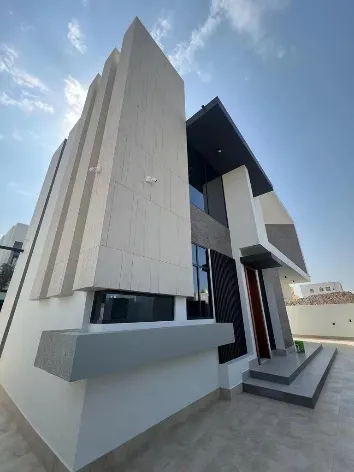
Numbers and comparisons tell part of the story, but real-world projects show MCM flexible cladding stone wall panels in action. Here are three standout examples that highlight their transformative potential.
Dubai is no stranger to bold architecture, but The Azure Residences— a 50-story luxury apartment tower—turned heads with its wave-inspired design. The developer wanted a façade that would reflect the city's coastal location, with curves that mimicked ocean waves. Traditional materials like glass or concrete were too rigid; natural stone was too heavy for the tower's structure. Enter MCM panels.
The project's architects worked with a mcm flexible cladding stone wall panel supplier to create custom blue-and-teal panels that could bend to follow the tower's sweeping curves. The result? A building that shimmers like the sea in sunlight, with a façade that weighs 70% less than natural stone would have. Construction time was cut by 25%, and the panels have withstood Dubai's harsh desert sun and occasional sandstorms for over five years with no fading or damage. Today, The Azure Residences is a landmark, and its use of MCM panels has inspired dozens of similar projects across the Middle East.
When Singapore's GreenHeart Hospital set out to achieve LEED Gold certification, every material choice mattered. The hospital needed a façade that was fire-resistant, easy to clean, and sustainable—all while creating a calming environment for patients. MCM panels checked all three boxes.
The hospital opted for Class A fireproof MCM panels in soft greens and whites, materials that resist bacteria growth and can be sanitized daily. The panels' lightweight design also reduced the building's carbon footprint by cutting down on transportation and structural materials. Perhaps most importantly, patients and staff report that the warm, natural look of the panels (mimicking stone and wood) helps reduce stress—a small detail that's had a big impact on patient recovery rates. GreenHeart Hospital now ranks among Singapore's top sustainable healthcare facilities, with MCM panels cited as a key contributor to its success.
Retail spaces thrive on first impressions, and Europa Retail Mall in Paris needed a façade that would draw shoppers in and reflect its focus on high-end, artisanal brands. The mall's design team wanted a look that felt warm and inviting—think rustic stone and aged wood—but with the durability to handle heavy foot traffic and Paris's rainy winters.
MCM panels proved to be the perfect solution. The mall used a mix of stone-look and wood-look MCM panels, arranged in a patchwork pattern that evokes a charming European village. Unlike real wood, the panels won't rot or warp in the rain; unlike natural stone, they won't crack in freezing temperatures. Shoppers love the cozy, welcoming vibe, and retailers report higher foot traffic since the renovation. For the mall's owners, the investment in MCM panels has paid off: maintenance costs are down by 40%, and tenant retention rates have spiked.
For all their success, MCM flexible cladding stone wall panels aren't without challenges. The biggest hurdle? Perception. Some architects and developers still associate "composite" materials with lower quality, preferring natural stone for luxury projects. MCM suppliers are fighting back with education, showcasing case studies and performance data to prove that these panels are just as durable and visually stunning as natural materials—often more so.
Installation is another learning curve. While MCM panels are easier to install than natural stone, they do require trained crews who understand how to handle their flexibility. Leading mcm flexible cladding stone wall panel suppliers are addressing this by offering certification programs for contractors, ensuring that installations are done correctly and safely.
Regulatory differences across markets can also slow adoption. Fire safety codes, for example, vary from country to country, and suppliers must ensure their panels meet local standards. In the EU, for instance, MCM panels must comply with strict REACH regulations on chemical content, while in the U.S., they need to pass ASTM testing for impact resistance. Reputable suppliers invest heavily in testing and certification to navigate these hurdles.
Despite these challenges, the future of MCM flexible cladding stone wall panels looks bright. Here are a few trends to watch:
Perhaps most exciting is the potential for MCM panels to play a role in sustainable urban development. As cities grow, the demand for green building materials will only increase, and MCM panels—with their low emissions, recycled content, and energy efficiency—are poised to be at the forefront of this movement.
MCM flexible cladding stone wall panel solutions aren't just a passing trend—they're a fundamental shift in how we think about building exteriors. For residential and commercial building materials suppliers, they represent a way to meet the evolving needs of architects, developers, and homeowners: the demand for beauty without sacrifice, durability without weight, and sustainability without compromise.
As urbanization accelerates and green building becomes the norm, MCM panels will only grow in importance. They've already proven their worth in projects from Dubai to Paris, from hospitals to luxury homes, and their potential is far from exhausted. With ongoing innovations in materials, design, and technology, MCM panels are set to redefine architectural façade solutions for decades to come.
So the next time you walk through a city and pause to admire a building's striking exterior—whether it's a curved tower, a cozy café, or a sleek office—take a closer look. Chances are, you're looking at the future of construction: flexible, durable, and undeniably human-centered. And that future? It's built on MCM.
Recommend Products











