

Picture this: You're walking through a newly renovated office building. The walls around you feel warm yet modern – no sterile concrete or cold tiles. They're clad in rich wood-textured panels that seem to breathe with the space. But here's the twist: They're not wood at all. They're WPC – wood-plastic composites – and they're quietly revolutionizing how we build our homes, offices, and cities.
Fun fact: Architects joke that WPC panels are like chameleons. They give you oak's elegance without deforestation worries, concrete's strength without the carbon footprint, and marble's luxury without the quarry scars.
Remember when vinyl siding was the "big innovation"? Those days are gone. Today, over 41% of green buildings in G20 countries specify WPC panels for exterior cladding – up from just 19% five years ago. That's not just a trend; it's a tectonic shift in how we think about walls.
Here's why developers are switching:
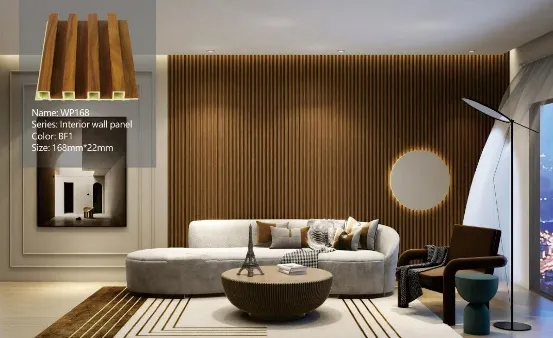
We've entered the age of self-cleaning walls. Forget simple silver-ion coatings – now we've got:
Hospitals in the Netherlands are already using these ecological building wall panels in high-infection zones. As nurse Amina Chen puts it: "Cleaning time dropped by half. These walls practically disinfect themselves!"
Remember when WPC panels warped under heat? Engineers fixed that with basalt fiber reinforcement :
This isn't lab theory – it's field-tested reality. After wildfires devastated rural Oregon, rebuilt homes used basalt-reinforced panels. Fire Chief Donovan remarked: "We saw flames lick these walls and retreat. That never happened with timber."
German factories are leading with:
Architect Leo Torres describes it best: "We scanned Brazilian rosewood grain patterns, printed them onto WPC, and saved 200 endangered trees on one hotel project alone. That's not construction – it's conservation."
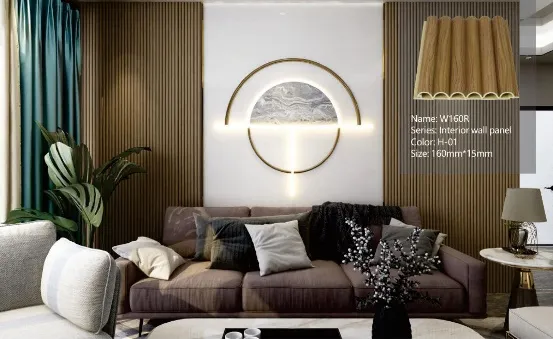
Thanks to US federal housing mandates starting Q3 2025:
Surprising twist: Cold climates were supposed to challenge WPC. But in Alberta, Canada, panels installed at -30°F showed zero cracking after winter – outperforming traditional materials.
China's "Dual Carbon" policy fueled:
Singapore contractor Mei Lin shares: "We built a school during monsoon season with WPC panels. Zero rain delays – traditional materials would've absorbed water and stalled construction."
New EN 15534-1 standards now require:
Amsterdam's canal houses illustrate the transformation. "We matched 17th-century wood grains with recycled-WPC panels," says conservator Erik Janssen. "Tourists can't tell the difference, but these will last centuries longer."
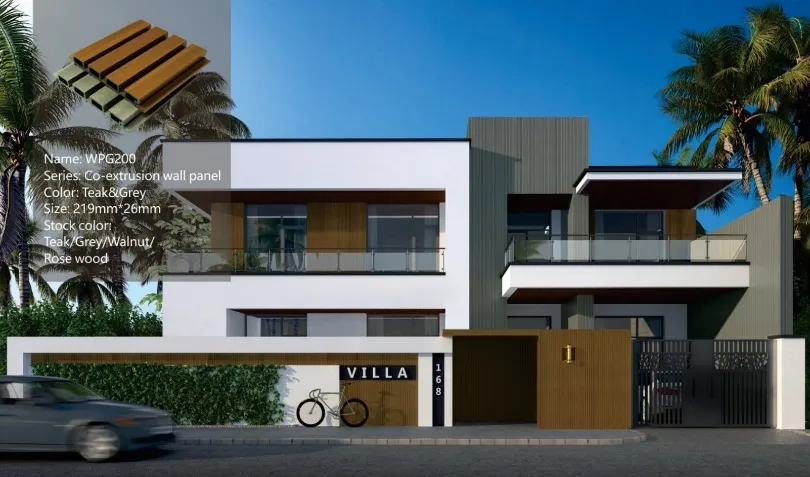
Ready to try WPC? Here's what pros recommend:
Construction manager Carlos Mendez advises: "Start with accent walls or low-risk areas. Once you see morning dew bead up and roll off instead of soaking in, you'll become a convert."
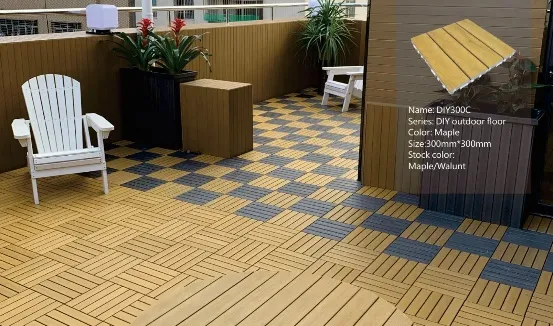
The market's projected to grow at 11.2% annually through 2030 . But the real story is how innovations are compounding:
As Daniel Foster of Geolam summarizes: "We're not just slapping plastic on buildings. We're creating ecological building wall panels that actively improve environments. That's not evolution – it's a revolution in what walls do ."
Final thought: When your grandchildren ask why old buildings used endangered woods, you'll smile and say "Because they hadn't discovered WPC yet." The construction revolution isn't coming – it's already on your walls.
Recommend Products











