
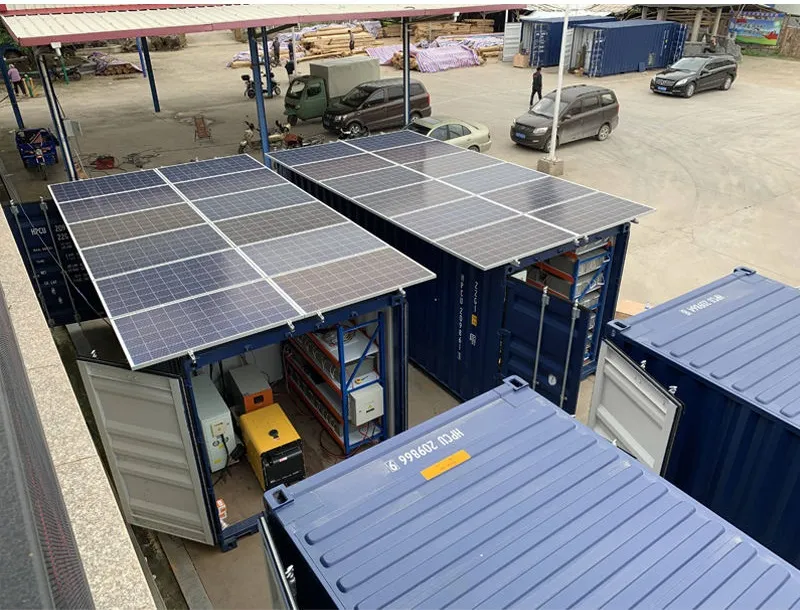
Solar energy has moved from a niche alternative to a mainstream power solution. Walk through any industrial park or new residential development today, and you will see panels glinting on rooftops. The conversation has shifted from "why solar" to "how much" — and understanding the cost of solar panels is the first step toward making a smart investment.
When people ask about the cost of solar panels, they are usually thinking about the sticker price per watt. But the real picture is more nuanced. A solar panel's price tag reflects several layers: the purity of silicon cells, the efficiency rating of the module, the manufacturing process, the frame material, and the glass quality. Monocrystalline panels, for instance, cost more than polycrystalline ones because they convert more sunlight into electricity — but they also take up less roof space for the same output.
Then there is the scale factor. A single panel bought at retail might cost $0.70 to $1.20 per watt, but when you are sourcing for a commercial project, the numbers look very different. This is where working with a solar panel china supplier becomes a strategic advantage. Manufacturers in China have spent the last decade refining production lines, driving per-unit costs down while pushing efficiency up. The result is that solar panel wholesale price levels from direct sources are often 30% to 50% lower than what you would see from regional distributors who add their own markup.
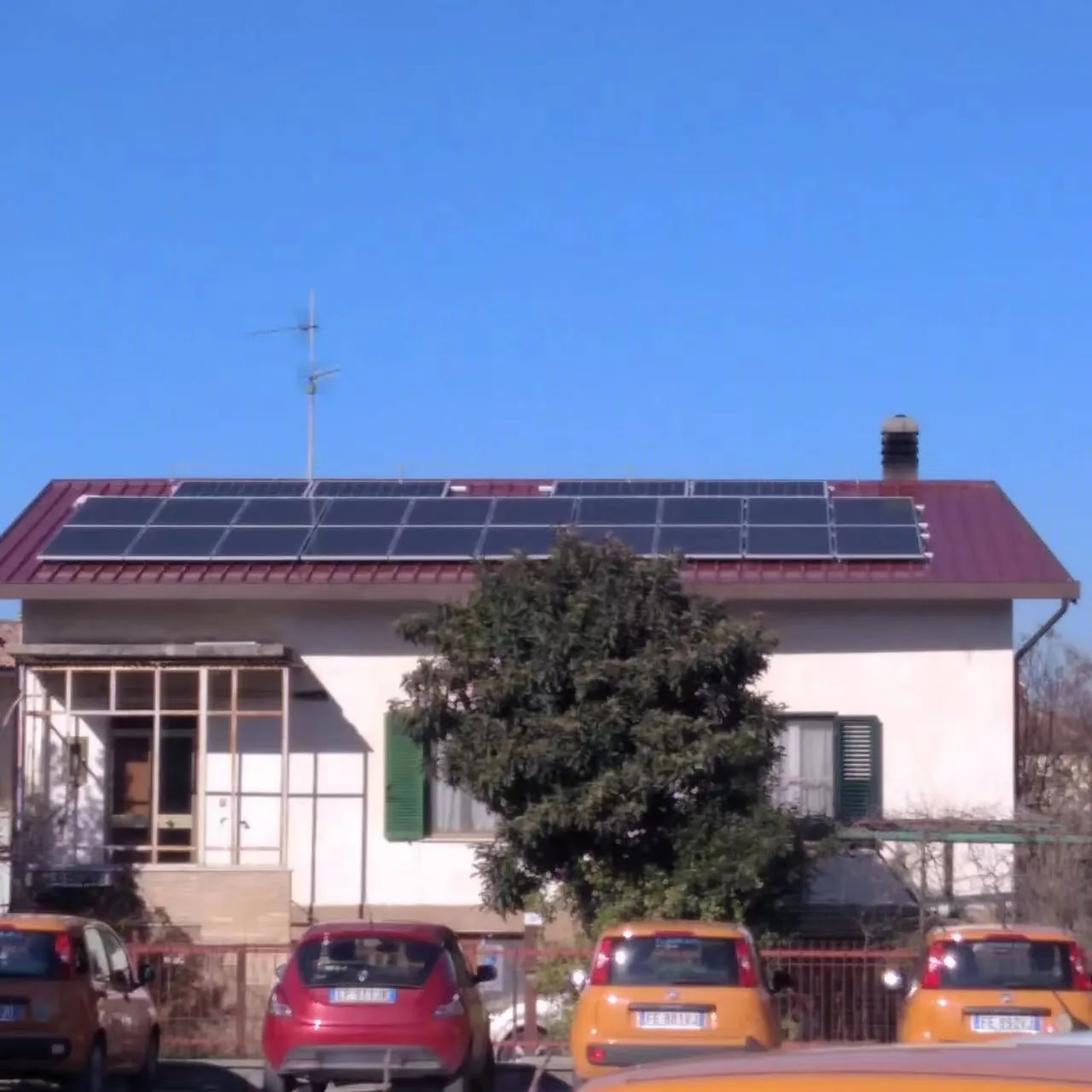
If you are outfitting a warehouse, a shopping complex, or a multi-unit residential building, the math changes dramatically. A 100kW commercial system might need 250 to 300 panels. At that volume, every cent saved per watt translates into thousands of dollars kept in the budget. That is exactly why more developers and contractors choose to buy solar panels direct from manufacture rather than going through layers of middlemen.
COLORIA GROUP, headquartered in Foshan, China — a city at the heart of the global building materials supply chain — offers solar panels as part of its one-stop solution for construction projects. Instead of juggling five different suppliers for walls, flooring, ceilings, pipes, and solar, project managers can consolidate procurement under one roof. This approach cuts down on logistics headaches, simplifies communication, and often unlocks better pricing across the entire order.
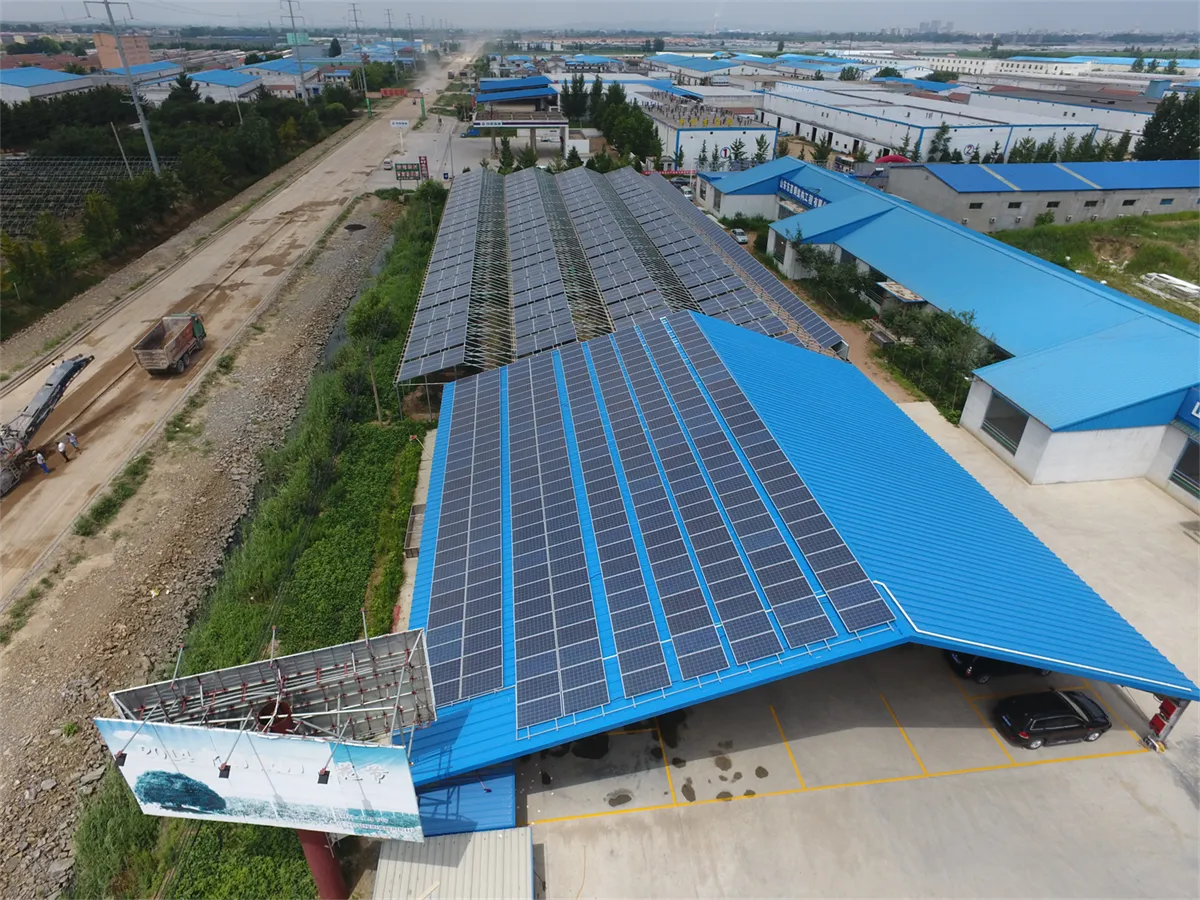
The panel itself is only part of the equation. Inverters, mounting structures, wiring, and labor all add to the total installed cost. A rough rule of thumb: the panels account for roughly 25% to 30% of a complete solar system's cost. The inverter takes another 10% to 15%, and the balance of system components plus installation fill out the rest. Buyers who negotiate a panel price without factoring in these ancillary expenses often end up with budget surprises.
That said, panel prices have been on a steady downward trajectory. Between 2010 and 2024, the cost per watt of solar modules dropped by more than 80% across the industry. This trend shows no sign of reversing, which means the window for locking in favorable pricing is wide open right now.
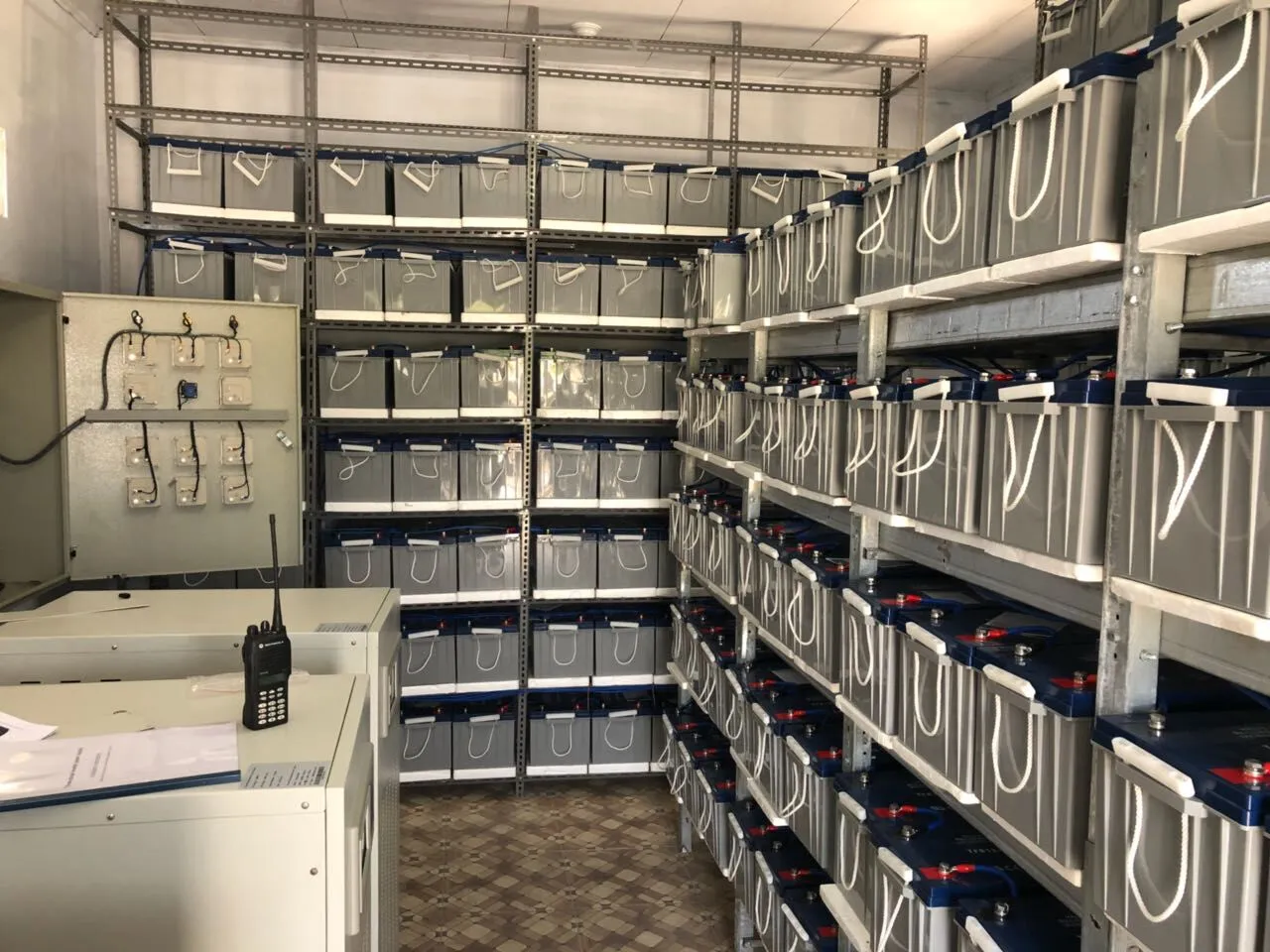
Not all solar panels are built for the same job. Solar panels for commercial buildings typically need higher wattage ratings and robust warranties — 25 years is the industry standard for performance guarantees. Residential panels, by contrast, often prioritize aesthetics and compact sizing. COLORIA GROUP's product range covers both ends of the spectrum, from standard modules for apartment rooftops to high-output panels designed for industrial-scale installations.
One often-overlooked consideration is certification. Panels destined for markets in the Middle East, Africa, or Southeast Asia may need to meet specific regional standards. A supplier with export experience — and an agent network in places like Saudi Arabia — can help navigate these requirements without delays.
Let us be concrete. Suppose you are planning a 50kW system for a mid-sized commercial building. At a wholesale rate of $0.22 per watt, the panel cost alone comes to roughly $11,000. Add an inverter at $3,000 to $5,000, mounting hardware at $3,000, and installation labor at $5,000 to $8,000, and you are looking at a total of $22,000 to $27,000 before any incentives. With average commercial electricity rates running $0.10 to $0.15 per kWh in many regions, a system of this size can pay for itself in 4 to 7 years — and then generate free electricity for another two decades.
The key variable in that calculation is the panel price. Shaving even a few cents per watt off the module cost can shorten the payback period by months. When you buy solar panels direct from manufacture, you are essentially capturing the manufacturer's margin as your own savings.
COLORIA GROUP positions itself as a one-stop building materials supplier, which means solar panels sit alongside walls, flooring, sanitary fixtures, elevators, and lighting in a single procurement catalog. One purchase order, one point of contact, one consolidated shipment — and the confidence that all components meet consistent quality standards.
The company's base in Foshan places it within China's most concentrated building materials manufacturing cluster. This proximity to factories enables tighter quality control and faster turnaround times compared to trading companies that operate at arm's length from production. For project developers, this integration is valuable — solar panels are not an afterthought but a core part of a comprehensive building solution.
Beyond solar, COLORIA GROUP covers thirteen product categories ranging from wall panels and flooring to elevators and lighting. This breadth means a developer building a hotel, for instance, can source the sanitary fixtures, the customized furniture, the kitchen appliances, and the rooftop solar system all from the same supplier. Fewer contracts, fewer shipments, fewer coordination headaches.
The cost of solar panels has never been more favorable for buyers, and the trend lines point toward continued affordability. What matters now is not just the price per watt, but the total value of the procurement relationship — reliability, quality assurance, logistical efficiency, and the ability to bundle solar with other building materials in a single order.
For builders, developers, and project owners who want to go solar without the sourcing headache, the smartest move is to work with a supplier that understands the full scope of construction, not just the electrical side of things.
Contact COLORIA GROUP TodayRecommend Products












