
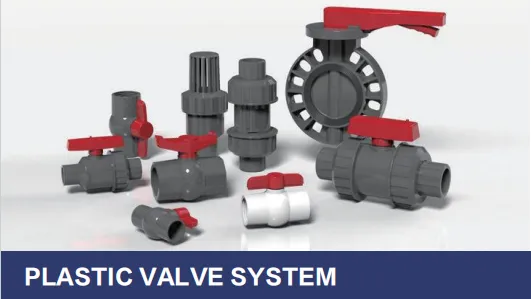
Imagine walking into a newly built home, turning on the kitchen faucet, and feeling a steady stream of water flow—smooth, reliable, and uninterrupted. Or picture a hospital where the HVAC system hums quietly, ensuring clean air circulates through every ward. Behind these everyday moments lies an unsung hero: the network of plastic valve systems and piping that forms the circulatory system of our buildings. From residential complexes to commercial skyscrapers, from industrial plants to healthcare facilities, plastic valve systems are the backbone of modern infrastructure. But here's the thing: not all plastic valve systems (or their suppliers) are created equal. In fact, the difference between a project that thrives and one that spirals into delays, costs, and safety risks often comes down to one critical decision: choosing a trusted plastic valve systems supplier.
Let's start with the basics: what exactly do plastic valve systems do? At their core, they control the flow of liquids and gases in a pipeline—think of them as the "traffic controllers" of plumbing and industrial systems. Whether it's regulating water pressure in a high-rise, managing wastewater in a residential complex, or controlling chemical flows in a factory, these valves (paired with pipes like PVC DWV, UPVC, PPR, and PEX) are integral to keeping things running smoothly. What makes plastic the material of choice? Unlike metal, plastic is lightweight, corrosion-resistant, cost-effective, and easy to install—qualities that have made it a staple in construction projects worldwide.
But here's where it gets serious: the performance of these systems directly impacts safety, efficiency, and even sustainability. A faulty valve in a hospital's water supply could compromise patient care. A leaking PVC DWV pipe in a commercial building might lead to mold growth, structural damage, or expensive repairs. In industrial settings, a failed valve could disrupt production lines or, worse, pose environmental hazards. In short, plastic valve systems aren't just "parts"—they're critical components that protect lives, investments, and reputations.
When we talk about a "trusted" plastic valve systems supplier, we're not just talking about a company that sells products. We're talking about a partner—someone who understands your project's unique needs, stands behind their products, and has your back when things get complicated. Let's be real: the market is flooded with suppliers promising low prices and quick deliveries. But here's the risk of going with the cheapest or least vetted option: you might end up with valves made from subpar materials, pipes that don't meet safety standards, or a supplier who disappears the moment you need help with installation or troubleshooting.
I've heard horror stories from contractors who cut corners with unknown suppliers. One team, working on a residential development, opted for budget PVC DWV pipes and plastic valves to save costs. Six months after completion, homeowners started reporting leaks in their basements. The culprit? Thin-walled pipes that couldn't withstand normal water pressure. The result? Tens of thousands of dollars in repairs, angry homeowners, and a damaged reputation for the contractor. That's the cost of choosing "convenient" over "trusted."
A trusted supplier doesn't just say their products are "high quality"—they prove it. This means investing in rigorous testing, adhering to international standards (like ISO certifications), and using premium raw materials. For example, when it comes to UPVC pipes (a popular choice for water supply lines), a reputable supplier will ensure the material is lead-free, UV-resistant, and tested for pressure endurance. Similarly, PPR pipes and fittings (used in hot and cold water systems) should undergo thermal cycling tests to ensure they can handle temperature fluctuations without cracking. Why does this matter? Because substandard materials degrade faster, leading to leaks, blockages, or even system failure.
A one-size-fits-all approach doesn't work in construction. A residential project might need simple PVC DWV pipes for drainage, while an industrial plant could require specialized PEX pipe and fittings for high-temperature applications. A trusted supplier understands this and offers a diverse range of solutions—from plastic valve systems to UPVC pipes, PPR fittings, and beyond. But it's not just about having products on the shelf; it's about having the expertise to guide you. For instance, if you're building a hospital, a knowledgeable supplier might recommend Class A fireproof materials (though that's a different category, their input on pipe safety is invaluable). Or, if you're working in a coastal area with high salinity, they might suggest corrosion-resistant UPVC over standard PVC. This level of guidance turns a transaction into a partnership.
Let's say you're on site, and during installation, a PEX pipe fitting doesn't seal properly. Do you call a supplier who sends an automated email response, or one who dispatches a technical expert to your location within hours? The latter is the mark of a trusted partner. Technical support isn't just about troubleshooting—it's about training your team, providing installation guides, and offering after-sales service that extends beyond the warranty period. I once worked with a contractor who described their supplier as "an extension of our team." When a batch of PVC DWV pipes arrived with minor defects, the supplier not only replaced them immediately but also sent a technician to inspect the rest of the shipment to prevent future issues. That's the kind of support that turns stressful projects into smooth successes.
Construction regulations vary by region, and they're getting stricter. In places like Saudi Arabia, for example, projects must adhere to local building codes, as well as international standards like ASTM or DIN. A trusted supplier stays on top of these regulations, ensuring their products (whether it's a plastic valve system or a PEX pipe) meet or exceed the required certifications. This isn't just about avoiding fines—it's about protecting your project from legal disputes. Imagine facing a lawsuit because a valve failed, and it turns out it wasn't certified for your region's pressure standards. A trusted supplier would never let that happen—they'll walk you through the compliance maze so you can focus on building, not paperwork.
We've all heard the phrase, "Time is money," and in construction, that couldn't be truer. A delayed shipment of UPVC pipes can throw off an entire project timeline, leading to increased labor costs, missed deadlines, and unhappy clients. A trusted supplier understands this and invests in a robust supply chain. They maintain inventory levels to handle unexpected demand, have contingency plans for disruptions (like raw material shortages or logistics delays), and communicate proactively if issues arise. I remember a project in Riyadh where a last-minute design change required additional PPR pipe and fittings. The supplier, who had a local warehouse, delivered the materials within 24 hours—saving the team weeks of delays. That's the kind of reliability that builds long-term trust.
It's tempting to opt for the cheapest supplier, especially when project budgets are tight. But here's what many contractors learn the hard way: the upfront savings often come with hidden costs—costs that can dwarf the initial price difference. Let's break it down:
Financial Costs: Rework, repairs, and replacements add up fast. A $500 savings on a batch of valves might turn into $50,000 in when those valves fail. Then there are indirect costs: project delays mean paying workers to stand idle, or penalties for missing client deadlines.
Safety Costs: A failed plastic valve system isn't just an inconvenience—it can be dangerous. In 2019, a hotel in Europe had to evacuate guests after a PVC DWV pipe burst, causing flooding and electrical issues. The root cause? Counterfeit pipes from an untrusted supplier. No one was hurt, but the hotel faced lawsuits, fines, and a damaged reputation.
Reputational Costs: In construction, your reputation is your most valuable asset. A single project marred by faulty materials can make clients think twice about hiring you again. As one contractor put it, "I'd rather pay 10% more for a trusted supplier than risk losing a client for life."
To truly understand the value of a trusted supplier, let's look at some common pipe systems used in construction and how a knowledgeable partner can make all the difference:
| Pipe System Type | Primary Applications | Key Benefits | Why a Trusted Supplier is Critical |
|---|---|---|---|
| PVC DWV Pipe | Drainage, waste, and vent systems in residential/commercial buildings | Lightweight, corrosion-resistant, easy to install | Ensures proper wall thickness and joint integrity to prevent clogs/leaks; provides installation guidance for slope/venting. |
| UPVC Pipe | Water supply, irrigation, industrial fluid transport | High pressure resistance, chemical resistance, long lifespan | Verifies material purity (no lead additives); tests for pressure endurance to avoid bursts in high-pressure systems. |
| PPR Pipe and Fitting | Hot and cold water systems in homes, hospitals, schools | Heat-resistant, leak-proof (fusion welding), low maintenance | Provides training on proper fusion techniques; ensures fittings match pipe dimensions for secure connections. |
| PEX Pipe and Fitting | Residential plumbing, radiant heating, HVAC systems | Flexible, freeze-resistant, compatible with various fittings | Offers guidance on fitting types (crimp, clamp, expansion) based on application; tests for UV resistance to prevent degradation. |
Notice a pattern? For each system, the supplier's role goes beyond selling a product. They provide expertise, support, and quality assurance that ensure the system works as intended—today and for decades to come.
Let's bring this to life with a real-world example. A construction firm in Jeddah was tasked with building a 500-bed hospital—a project with tight deadlines and strict safety requirements. The plumbing system required PPR pipes for hot water lines, UPVC pipes for cold water supply, and PVC DWV pipes for drainage. Initially, the firm opted for a new, low-cost supplier to stay under budget. But red flags emerged quickly: the UPVC pipes arrived with inconsistent wall thickness, and the PPR fittings didn't align properly with the pipes.
Fearing delays, the firm switched to a trusted plastic valve systems supplier with a reputation for reliability. The difference was night and day. The new supplier conducted on-site inspections, provided technical training for the installation team, and replaced the faulty materials at no extra cost. When a last-minute change required upgrading to PEX pipes in the maternity ward (for better flexibility), the supplier sourced the materials within 48 hours. The hospital opened on time, and to this day, the plumbing system has had zero leaks or failures. As the project manager put it, "That supplier didn't just sell us pipes—they helped us build a hospital we're proud of."
The plastic valve systems industry isn't without its challenges. Raw material prices fluctuate, new regulations are introduced, and counterfeit products flood the market. But trusted suppliers don't just react to these challenges—they anticipate them. For example, to combat counterfeiting, many invest in anti-counterfeit measures like holographic labels or QR codes that allow customers to verify product authenticity. To manage material costs, they build long-term relationships with raw material suppliers, locking in prices and ensuring consistency. And to stay ahead of regulations, they maintain dedicated compliance teams that monitor changes in standards (like new Class A fireproof requirements or lead-free mandates) and update their products accordingly.
At the end of the day, building isn't just about bricks and mortar—it's about trust. Trust that the materials you use will perform as promised, trust that your team has the support they need, and trust that your project will be delivered on time, on budget, and up to standard. When it comes to plastic valve systems, that trust starts with your supplier.
So the next time you're comparing quotes for PVC DWV pipes, UPVC valves, or PPR fittings, remember: you're not just buying products. You're choosing a partner who will stand with you through every phase of the project—from planning to completion and beyond. A trusted plastic valve systems supplier isn't just an expense; they're an investment—one that pays off in safety, efficiency, and peace of mind.
After all, in the world of construction, the best projects aren't built alone. They're built with partners you can trust.
Recommend Products












