
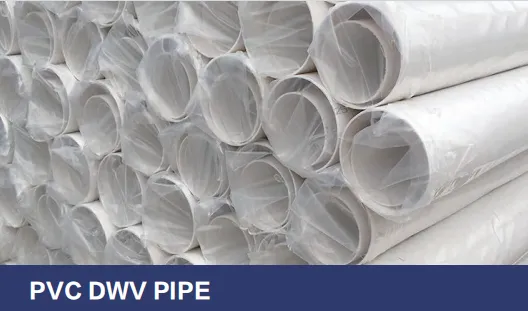
When a contractor walks into a building materials warehouse, or a homeowner scrolls through online catalogs looking for plumbing solutions, they're often focused on the basics: price, availability, and maybe the brand name. What many don't stop to ask—yet what could make or break their project—is a simple question: Are these products certified? This is especially true for something as critical as PVC DWV pipes, the unsung heroes of any building's plumbing system. For a PVC DWV pipe supplier, certifications aren't just a badge to display; they're a promise of safety, reliability, and compliance. In this article, we'll dive into why certifications matter, how they protect both suppliers and customers, and why choosing a certified PVC DWV pipe solution is non-negotiable in today's construction landscape.
First, let's get clear on what we're talking about. PVC DWV stands for Polyvinyl Chloride Drain, Waste, and Vent pipes. These are the pipes that carry wastewater away from sinks, showers, and toilets, and they also handle the venting that prevents unpleasant odors and ensures proper pressure in the plumbing system. Unlike pressurized pipes that carry drinking water (think PPR or PEX pipes), DWV pipes are designed for gravity flow, but that doesn't make them any less important. A faulty DWV system can lead to leaks, clogs, mold growth, and even structural damage—issues that cost time, money, and peace of mind to fix.
In both residential and commercial buildings, DWV pipes are the backbone of a functional plumbing setup. For a homeowner, they ensure the bathroom doesn't flood after a shower. For a restaurant owner, they keep kitchen wastewater flowing smoothly, avoiding health code violations. And for a hospital or school—settings where safety is paramount—reliable DWV systems are critical to maintaining clean, hygienic environments (a point that even extends to other building materials, like the class a fireproof cpl inorganic board for hospital and school supplier, which also relies on certifications to guarantee safety). In short, when it comes to DWV pipes, "good enough" isn't enough. That's where certifications step in.
Certifications are more than just pieces of paper; they're third-party validations that a product meets specific standards for quality, safety, and performance. For a PVC DWV pipe supplier, investing in certifications is a way to say, "We stand behind our products." But why exactly do these certifications matter so much? Let's break it down.
Imagine a scenario where a building uses non-certified DWV pipes. Over time, the pipes might crack due to poor material quality, leading to sewage leaks. Those leaks could seep into walls, causing mold that triggers allergies or respiratory issues. In extreme cases, a burst pipe could flood a basement or ground floor, ruining furniture, electronics, or inventory. Certifications help prevent this by ensuring that pipes are made from durable, high-quality PVC resin, designed to withstand the chemical composition of wastewater and the physical stress of gravity flow. For example, certifications like ASTM D2665 (a key standard for PVC DWV pipes) set strict guidelines for pipe thickness, impact resistance, and chemical resistance—all critical factors in preventing leaks and failures.
Building codes exist to keep people safe, and they're non-negotiable. Whether you're constructing a home in Riyadh or a commercial complex in Jeddah, local authorities will inspect your plumbing system to ensure it meets regional standards. Using non-certified DWV pipes is a surefire way to fail an inspection, leading to project delays, fines, or even having to rip out and replace entire sections of piping. A reputable PVC DWV pipe supplier understands this, which is why they invest in certifications that align with local and international codes. For instance, in Saudi Arabia, a country with strict construction regulations, a Saudi Arabia building materials supplier would need to comply with SASO (Saudi Standards, Metrology and Quality Organization) standards to legally sell DWV pipes. Without these certifications, suppliers can't operate, and contractors can't afford to work with them.
Not all PVC DWV pipes are created equal. Even pipes that look similar on the surface can vary dramatically in quality based on manufacturing processes, raw materials, and quality control measures. Certifications like ISO 9001 (which focuses on quality management systems) ensure that a supplier's manufacturing process is consistent, from sourcing raw materials to testing finished products. This means that when a contractor orders 100 feet of DWV pipe from a certified supplier, they can trust that each foot meets the same high standards. Non-certified suppliers, on the other hand, might cut corners—using recycled plastic with unknown additives, skipping pressure tests, or ignoring dimensional tolerances—resulting in pipes that are too thin, too brittle, or prone to warping. Over time, these inconsistencies lead to higher maintenance costs and unhappy customers.
In the competitive world of building materials, trust is everything. A pipes fittings supplier that can prove their products are certified instantly stands out from the crowd. For contractors, working with a certified PVC DWV pipe supplier means less risk: they know the products will pass inspections, perform as expected, and reduce the chance of callbacks or warranty claims. For homeowners, it means peace of mind—knowing that the pipes hidden behind their walls are built to last. This trust translates to long-term relationships: contractors are more likely to return to a supplier they can rely on, and homeowners will recommend brands that prioritize safety. In short, certifications turn one-time buyers into repeat customers.
Not all certifications are created equal. Some focus on material safety, others on manufacturing processes, and still others on regional compliance. For a PVC DWV pipe supplier, the most important certifications depend on their target market (e.g., residential vs. commercial, local vs. international) and the specific needs of their customers. Below is a breakdown of the certifications that matter most, along with their relevance to PVC DWV pipe solutions.
| Certification | Governing Body | Key Focus | Why It Matters for PVC DWV Pipes |
|---|---|---|---|
| ASTM D2665 | ASTM International | Specification for PVC DWV pipes | Sets standards for pipe dimensions, wall thickness, impact strength, and chemical resistance—directly ensuring DWV pipes can handle wastewater flow without cracking or degrading. |
| ISO 9001 | International Organization for Standardization | Quality management systems | Ensures the supplier has consistent processes for manufacturing, testing, and customer service—reducing the risk of defects in DWV pipe production. |
| SASO | Saudi Standards, Metrology and Quality Organization | Regional compliance in Saudi Arabia | Mandatory for any Saudi Arabia building materials supplier; ensures DWV pipes meet local safety and performance requirements for use in Saudi construction projects. |
| NSF/ANSI 61 | NSF International | Drinking water system components (indirect contact) | While DWV pipes don't carry drinking water, this certification ensures the materials used are non-toxic and won't leach harmful chemicals into the environment—critical for public health. |
For a PVC DWV pipe supplier, these certifications aren't optional—they're essential. A supplier that holds multiple certifications demonstrates a commitment to excellence across all aspects of their business, from product design to customer support. For example, a supplier that offers both PVC DWV pipe solutions and general pipes fittings solutions would need to ensure that all their products, including DWV pipes, meet these rigorous standards to maintain their reputation as a reliable partner.
Certifications don't just help suppliers attract customers—they create a positive ripple effect throughout the entire construction ecosystem. Let's take a closer look at how they benefit key stakeholders:
In a market flooded with options, certifications give suppliers a competitive edge. A PVC DWV pipe supplier with ASTM and ISO certifications can market themselves as a "premium" or "reliable" choice, justifying slightly higher prices (which customers are often willing to pay for peace of mind). Certifications also open doors to new markets: many government contracts or large-scale commercial projects (like hospitals, schools, or shopping malls) require suppliers to have specific certifications as a condition of bidding. Without them, suppliers are locked out of these lucrative opportunities.
Contractors are on the front lines of construction, and their reputation depends on delivering projects on time and on budget. Using certified DWV pipes reduces the risk of callbacks due to leaks or failures, which can derail schedules and eat into profits. Certified pipes also make inspections easier—inspectors are more likely to sign off on a system using ASTM-compliant pipes, avoiding delays. For a contractor, partnering with a certified pipes fittings supplier is an investment in their own success.
Whether it's a homeowner, a property manager, or a business owner, no one wants to deal with plumbing issues. Certified DWV pipes are designed to last decades, reducing the need for costly replacements or repairs. For example, a homeowner who chooses a certified PVC DWV pipe solution can expect their plumbing system to function reliably for 50 years or more, while someone who opts for non-certified pipes might face leaks or clogs within a fraction of that time. Over the long run, certified products save money—and headaches.
At a broader level, certifications protect public health. By ensuring DWV pipes don't leak or degrade, they prevent sewage from contaminating soil or groundwater, reducing the risk of waterborne diseases. In densely populated areas, this is especially critical: a single faulty pipe in an apartment building could affect dozens of families. Certifications also support sustainable construction by promoting the use of durable materials that reduce waste (since certified pipes need to be replaced less often).
To truly understand the value of certifications, it helps to look at the alternative. What happens when a PVC DWV pipe supplier skips the certification process? The consequences can be severe, affecting everyone from the supplier to the end user.
Consider a hypothetical scenario: A small-scale supplier in a competitive market decides to cut costs by using lower-quality PVC resin and skipping third-party testing. They market their pipes as "affordable DWV solutions" and undercut certified suppliers by 20%. A contractor, eager to win a bid on a residential project, chooses these cheaper pipes. Six months after the building is occupied, homeowners start complaining about slow drains and foul odors. An inspection reveals that the pipes have warped due to poor material quality, causing clogs and minor leaks. The contractor is forced to redo the plumbing at their own expense, the supplier faces lawsuits for defective products, and the homeowners are left dealing with disrupted lives and damaged property. In the end, no one wins.
This isn't just a hypothetical risk. In regions with lax enforcement, non-certified DWV pipes are common, and the results are predictable: higher rates of plumbing failures, increased insurance claims, and strained trust between suppliers and customers. For a responsible PVC DWV pipe supplier, the cost of certifications pales in comparison to the cost of a damaged reputation—or a lawsuit.
If certifications are so important, why don't all suppliers pursue them? The truth is, certification can be a significant investment. Testing fees, audits, and the cost of upgrading manufacturing processes to meet standards can be steep, especially for small or new suppliers. In some cases, suppliers may also face logistical challenges, like navigating complex regional regulations (e.g., obtaining SASO certification in Saudi Arabia requires adherence to specific testing protocols that not all labs can perform). Additionally, the certification process isn't one-and-done: standards evolve, and suppliers must invest in ongoing training and updates to maintain their certifications.
However, these challenges are ultimately short-term. Over time, the benefits of certification—including increased sales, customer loyalty, and reduced liability—far outweigh the costs. For suppliers willing to make the investment, certifications become a growth driver, not a burden.
In the world of building materials, PVC DWV pipes may not get the same attention as sleek countertops or energy-efficient windows, but they're just as critical to a building's functionality and safety. For a PVC DWV pipe supplier, certifications are the foundation of trust, ensuring customers that their products are safe, reliable, and compliant with the highest standards. For contractors, homeowners, and communities, certified DWV pipes mean peace of mind, lower costs, and healthier living and working environments.
As the construction industry continues to evolve—with stricter codes, higher safety expectations, and a growing focus on sustainability—certifications will only become more important. Whether you're a pipes fittings supplier looking to stand out in a crowded market or a customer trying to choose the best products for your project, remember this: certifications aren't just a nice-to-have. They're a must-have. After all, when it comes to something as essential as your plumbing system, you don't want to leave anything to chance.
So the next time you're evaluating a PVC DWV pipe solution, ask the supplier: "What certifications do you have?" Their answer will tell you everything you need to know about whether they're worth your trust—and your business.
Recommend Products












