

Walk into any modern home, office, or commercial space today, and you'll likely notice a shift in how walls are designed—gone are the days of plain, monotonous surfaces. Instead, there's a focus on materials that blend durability, sustainability, and aesthetic versatility. Among the rising stars in this space are Wood-Plastic Composite (WPC) wall panels, a solution that's rapidly gaining traction in global construction markets. From residential interiors to commercial exteriors, WPC wall panels are redefining what's possible in building design, and their demand shows no signs of slowing down.
But what's driving this surge? It starts with the construction industry's evolving priorities: sustainability, cost-efficiency, and the need for materials that can keep up with the fast pace of urban development. As cities grow and building projects become more ambitious, architects, contractors, and homeowners alike are seeking solutions that don't just meet functional needs but also align with modern values—like reducing environmental impact and minimizing long-term maintenance. WPC wall panels, with their unique blend of wood-like appeal and plastic-like resilience, check all these boxes and more. Let's dive into why these panels are becoming a staple for interior and exterior decoration materials, and how suppliers are adapting to meet the global demand.
The global construction industry is in the midst of a transformation, and WPC wall panels are riding the wave of several key trends. Let's break down the factors fueling their popularity:
Sustainability isn't just a buzzword anymore—it's a business imperative. With governments and consumers pushing for greener building practices, materials that reduce carbon footprints are in high demand. WPC wall panels are inherently eco-friendly: they're made from a blend of recycled wood fibers (like sawdust or wood chips) and recycled plastic (such as polyethylene or polypropylene), diverting waste from landfills. Unlike solid wood, they don't require deforestation, and unlike some plastics, they avoid relying on virgin petroleum resources. This makes them a go-to choice for projects aiming for green building certifications, from LEED in the U.S. to BREEAM in Europe.
As more people move to cities, the demand for residential and commercial spaces is skyrocketing. In fast-growing regions like the Middle East—where Saudi Arabia, for example, is investing heavily in construction as part of its Vision 2030 initiative—projects need materials that can be installed quickly and require minimal upkeep. WPC wall panels fit the bill perfectly. Unlike traditional wood panels, they resist moisture, rot, and pests, making them ideal for high-humidity areas like bathrooms or kitchens. They also don't warp, crack, or fade under harsh sunlight, a critical advantage for exterior cladding in hot climates. For busy property owners and facility managers, this translates to lower repair costs and less time spent on maintenance—two factors that make WPC an easy sell.
Gone are the days when "practical" meant "boring." Today's builders and homeowners want materials that offer both function and style, and WPC wall panels deliver on the aesthetic front. Manufacturers can mold WPC into a wide range of textures and finishes—from smooth, contemporary surfaces to rough, wood-grain patterns that mimic the look of natural timber. This versatility makes them suitable for any design theme, whether it's a cozy residential interior or a sleek commercial lobby. Plus, they come in a spectrum of colors, eliminating the need for painting or staining after installation. For architects, this means more creative freedom; for suppliers, it means the ability to cater to niche markets, from luxury hotels to budget-friendly housing developments.
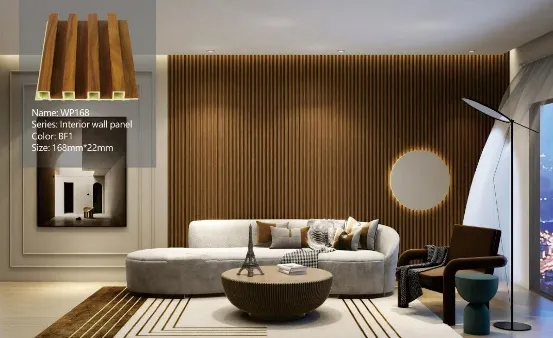
To truly understand why WPC wall panels are in demand, it helps to compare them to traditional materials. Let's break down their key advantages:
| Feature | WPC Wall Panels | Solid Wood Panels | PVC Panels | Natural Stone Cladding |
|---|---|---|---|---|
| Durability | High (resistant to moisture, rot, pests) | Low (prone to warping, rotting, insect damage) | Moderate (can crack in extreme temperatures) | High (but heavy and brittle) |
| Eco-Friendliness | High (uses recycled materials; no deforestation) | Low (requires tree harvesting) | Low (made from virgin plastic; non-biodegradable) | Moderate (quarrying has environmental impact) |
| Installation | Easy (lightweight; can be cut with standard tools) | Complex (requires sealing, painting, and skilled labor) | Easy (lightweight) but limited design options | Challenging (heavy; requires structural support) |
| Maintenance | Low (wipe clean with water; no refinishing needed) | High (needs regular staining, sealing, and repairs) | Low (but prone to discoloration over time) | High (requires periodic sealing; susceptible to staining) |
| Cost (Lifetime) | Moderate upfront, low long-term (no replacement costs) | Low upfront, high long-term (maintenance and replacement) | Low upfront, moderate long-term (may need replacement) | High upfront, high long-term (installation and upkeep) |
Beyond this comparison, WPC panels offer additional perks. For example, they're fire-resistant (many meet Class B or higher fire ratings), making them suitable for commercial spaces like hospitals or schools where safety is paramount. They're also sound-insulating, a feature that's increasingly valued in noisy urban environments. And because they're lightweight, they reduce the structural load on buildings, which can lower construction costs for large projects. All these benefits add up to a solution that's not just popular today but poised to be a mainstay in the industry.
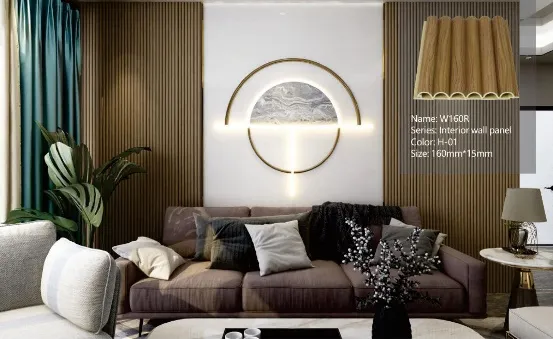
WPC wall panel demand isn't uniform across the globe—it varies by region, driven by local construction trends, economic factors, and cultural preferences. Let's take a tour of key markets:
Asia Pacific leads the charge in WPC wall panel adoption, thanks to booming construction sectors in countries like China, India, and Southeast Asian nations. Rapid urbanization, coupled with government initiatives to promote sustainable building, has made WPC a favorite for both residential and commercial projects. In China, for example, the government's push for "green buildings" has led to subsidies for projects using eco-friendly materials, directly boosting demand for WPC suppliers. Meanwhile, in India, the rise of affordable housing schemes has created a need for low-cost, low-maintenance wall solutions, and WPC panels fit the bill perfectly.
The Middle East is another hotbed for WPC wall panel growth, particularly in Saudi Arabia. The country's Vision 2030 plan, which includes mega-projects like NEOM and the Red Sea Project, is driving a construction boom, and contractors are increasingly turning to one-stop architectural solution providers that can deliver integrated materials—including WPC wall panels. In a region where extreme temperatures and high humidity are common, WPC's resistance to moisture and heat makes it ideal for both interior and exterior use. Suppliers in Saudi Arabia are also offering custom solutions, such as panels with heat-reflective coatings to reduce cooling costs in desert climates, further cementing WPC's role in the market.
In Europe, strict environmental regulations and a strong cultural focus on sustainability have made WPC wall panels a popular choice. Countries like Germany and the Netherlands are early adopters, using WPC for everything from residential cladding to public building interiors. European suppliers are also innovating, developing panels with higher recycled content and better fire resistance to meet strict EU standards. Additionally, the region's preference for minimalist, functional design has led to demand for sleek, low-profile WPC panels that blend seamlessly with modern architecture.
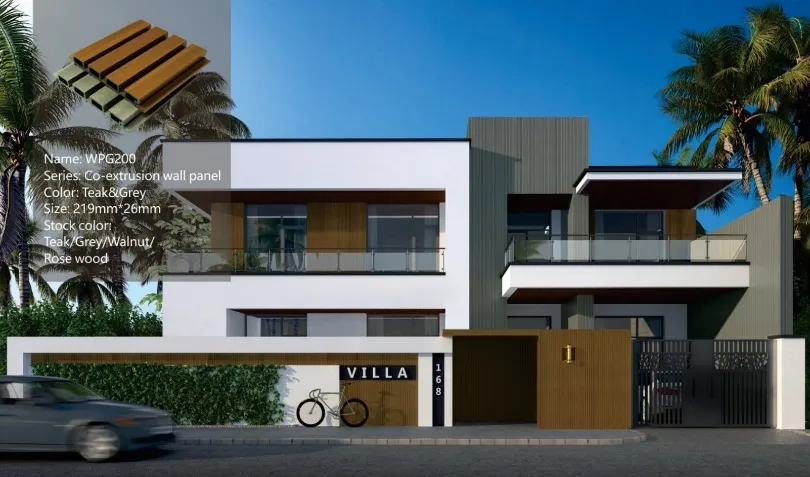
Real-world examples highlight just how impactful WPC wall panels can be. Let's look at two projects that showcase their versatility:
A Dubai-based homeowner wanted to create a warm, natural-looking interior without the upkeep of real wood. They chose WPC wall panels with a oak-grain finish for their living room and bedroom walls. The result? A space that feels cozy and inviting, with panels that resist scratches from pets and don't warp in the city's humid summers. The homeowner also saved on long-term costs: unlike solid wood, the WPC panels didn't require staining or sealing, and a quick wipe with a damp cloth keeps them looking new.
A shopping mall in Singapore needed an exterior cladding solution that could withstand heavy rain and high foot traffic. The architects opted for WPC wall panels in a contemporary gray finish. The panels' lightweight design made installation faster than natural stone, reducing construction time by 20%. Three years later, the cladding still looks brand-new, with no signs of fading or water damage. The mall's management estimates that using WPC has cut maintenance costs by 30% compared to traditional materials like painted concrete.
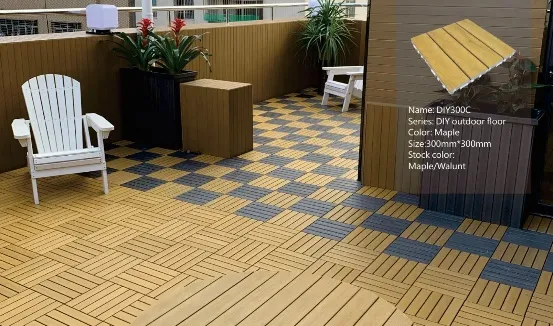
Of course, no material is without its challenges, and WPC wall panels are no exception. One common barrier is cost: while WPC panels are affordable in the long run (thanks to low maintenance), their upfront price can be higher than lower-quality materials like plywood or basic PVC. To address this, suppliers are investing in production efficiency—using advanced machinery to reduce manufacturing costs—and offering flexible pricing models for bulk orders. Some are also partnering with governments and NGOs to educate buyers about the total cost of ownership, emphasizing that WPC's durability offsets the initial investment.
Another challenge is awareness. In some emerging markets, builders and homeowners may still be unfamiliar with WPC, sticking to traditional materials out of habit. To bridge this gap, suppliers are ramping up marketing efforts, showcasing case studies and hosting workshops for architects and contractors. They're also collaborating with one-stop solution providers to bundle WPC panels with other materials (like flooring or ceiling solutions), making it easier for customers to adopt the technology.
Finally, regulatory standards can vary by region, with some countries having strict rules on fire resistance or emissions. Leading WPC suppliers are proactively obtaining certifications—like ISO 9001 for quality management or CE marking for Europe—to ensure compliance, giving buyers peace of mind and opening doors to new markets.
So, where does WPC wall panel technology go from here? The future looks bright, with several trends poised to drive further growth. First, expect to see advancements in fire resistance: manufacturers are experimenting with additives that can push WPC panels to Class A fire ratings, making them suitable for high-safety environments like hospitals and schools. Second, there's a push for even more sustainable formulations, with some suppliers exploring bioplastics or agricultural waste (like rice husks) as raw materials to reduce reliance on recycled plastic.
Design innovation is also on the horizon. We'll likely see WPC panels integrated with smart technology, such as embedded sensors that monitor temperature or humidity, or panels with built-in LED lighting for ambient effects. Additionally, as 3D printing becomes more accessible, suppliers may offer fully customized panel shapes and patterns, allowing architects to create truly unique designs.
Perhaps most importantly, the rise of green building certifications—like LEED, BREEAM, and China's GB/T 50378—will continue to drive demand. As more countries mandate these certifications for public and private projects, WPC wall panels, with their eco-friendly credentials, will become an even more essential part of the construction toolkit.
The growing demand for WPC wall panel solutions isn't just a passing trend; it's a reflection of the construction industry's broader shift toward sustainability, efficiency, and innovation. As global markets continue to urbanize and prioritize green building, WPC panels are well-positioned to become a staple material, offering the perfect balance of form and function. From residential interiors to commercial exteriors, from Asia to the Middle East to Europe, these panels are proving that you don't have to sacrifice durability for design—or the planet for progress.
For suppliers, the message is clear: adapt, innovate, and collaborate. By offering custom solutions, partnering with one-stop providers, and staying ahead of regulatory and technological trends, WPC wall panel suppliers can capitalize on this growing demand and play a key role in shaping the future of construction. For builders and homeowners, the message is even simpler: if you're looking for a wall solution that's sustainable, versatile, and built to last, WPC panels are worth a closer look. After all, in an industry that's always evolving, the best materials are the ones that evolve with it—and WPC wall panels are leading the way.
Recommend Products











