

In the world of architecture and interior design, wall panels have long been more than just functional elements—they are the canvas upon which spaces tell their stories. From the rustic charm of traditional wood panels to the sleek minimalism of modern composites, the evolution of wall materials has always mirrored our changing needs: durability, aesthetics, sustainability, and safety. Among these, Wood-Plastic Composite (WPC) wall panels have emerged as a game-changer, blending the best of natural wood and synthetic polymers. But as we stand on the cusp of a new era in construction, what does the future hold for WPC wall panel solutions? How are innovations and emerging technologies reshaping their potential, and what new possibilities do they unlock for homeowners, designers, and builders alike?
This article delves into the evolving landscape of WPC wall panels, exploring the cutting-edge innovations that are enhancing their performance, the emerging technologies that are redefining their applications, and the trends that will shape their role in tomorrow's built environment. From fire-resistant enhancements tailored for critical spaces like hospitals and schools to smart integrations that turn static walls into dynamic systems, the future of WPC wall panels is not just about being better—it's about being transformative.
Before we gaze into the future, it's essential to understand where WPC wall panels stand today. Composed of wood fibers, plastic polymers, and additives, WPC panels were initially celebrated for solving two long-standing problems: the susceptibility of wood to rot and pests, and the lack of warmth in purely synthetic materials. Early iterations offered impressive durability, resistance to moisture, and low maintenance—qualities that quickly made them a favorite in residential and commercial projects.
Today, WPC wall panels are used in everything from cozy living rooms to high-traffic retail spaces, thanks to their versatility in design (think wood grains, stone textures, and bold colors) and their ability to withstand daily wear and tear. However, as construction standards rise and consumer demands grow more sophisticated, the industry has recognized room for growth: enhancing fire resistance for safety-critical environments, improving sustainability credentials, and integrating smart technologies to meet the needs of modern, connected spaces. It is these gaps that today's innovators are racing to fill, setting the stage for the next generation of WPC wall panel solutions.
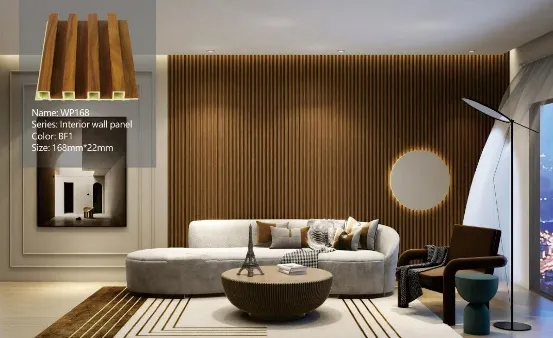
The future of WPC wall panels is being driven by a wave of material and design innovations that prioritize performance, safety, and sustainability. Let's explore the key advancements that are redefining what these panels can do.
One of the most significant challenges for traditional WPC panels has been fire resistance—a critical concern in environments like hospitals, schools, and high-rise buildings. Enter Class A fireproof CPL inorganic board solutions, a technology that is increasingly being integrated with WPC to create panels that don't just meet but exceed safety standards. CPL (Continuous Pressure Laminate) inorganic boards are engineered to resist high temperatures, prevent flame spread, and emit minimal smoke, making them ideal for spaces where human life is paramount.
Imagine a school hallway where the walls, clad in WPC panels enhanced with Class A fireproof CPL, act as a barrier during an emergency, slowing the spread of fire and giving students and staff precious time to evacuate. Or a hospital ward where the same panels contribute to a safer environment, ensuring compliance with strict healthcare regulations. This integration of fire-resistant materials isn't just about ticking boxes—it's about reimagining WPC panels as active participants in building safety, not just passive design elements.
As the world grapples with climate change, sustainability has moved from a buzzword to a non-negotiable. Modern WPC wall panel suppliers are responding by rethinking their material sourcing and production processes. Today's panels are increasingly made with recycled plastics (think discarded bottles and packaging) and reclaimed wood fibers, reducing reliance on virgin resources. But the innovation doesn't stop there: new formulations are incorporating biodegradable additives that allow panels to break down naturally at the end of their lifecycle, addressing the long-term environmental impact of synthetic materials.
Additionally, low-VOC (Volatile Organic Compound) manufacturing processes are becoming standard, ensuring that WPC panels contribute to healthier indoor air quality—a critical factor in spaces like homes, offices, and schools. For instance, a family moving into a new apartment with WPC walls can breathe easy knowing their walls aren't off-gassing harmful chemicals, while a business owner can market their eco-friendly office as a selling point for environmentally conscious clients. Sustainability isn't just about being "green" anymore; it's about creating a closed-loop system where WPC panels are part of the solution, not the problem.
While WPC panels have always been durable, recent innovations are pushing the boundaries of what they can withstand. New additives are improving scratch resistance, making panels suitable for high-traffic areas like hotel lobbies and shopping malls. UV-stabilized coatings are extending their lifespan in outdoor applications, from patio walls to exterior facades. And perhaps most exciting, advances in molding technology are allowing for unprecedented design flexibility—think 3D textures that mimic natural stone, custom patterns tailored to a client's vision, and even curved panels that add architectural flair to otherwise flat surfaces.
Take, for example, a boutique hotel that wants to create a feature wall inspired by local geology. With advanced WPC molding, the panels can be crafted to replicate the texture of regional rock formations, creating a unique focal point that tells a story. Or a restaurant owner who desires a seamless transition between indoor and outdoor spaces: UV-resistant WPC panels ensure the exterior walls match the interior aesthetic, even after years of exposure to sun and rain. Durability and design are no longer mutually exclusive—they're being woven together to create panels that are as tough as they are beautiful.
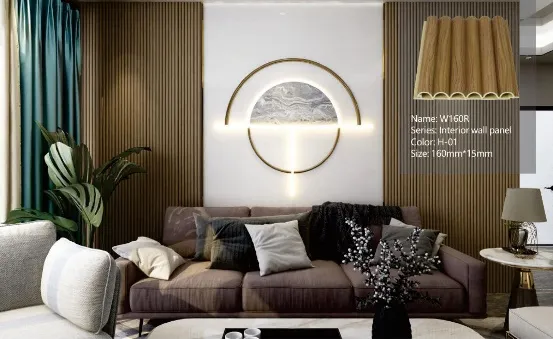
Innovation in materials is just one piece of the puzzle. The future of WPC wall panel solutions is also being shaped by emerging technologies that are transforming passive panels into active, intelligent systems. These technologies are not just enhancing performance—they're redefining the relationship between walls and the people who interact with them.
The Internet of Things (IoT) is making its way into every corner of our lives, and WPC wall panels are no exception. Imagine panels embedded with sensors that monitor temperature, humidity, air quality, or even structural stress. In a smart home, these sensors could communicate with the HVAC system, adjusting heating or cooling based on room conditions. In a hospital, they could detect moisture levels, alerting staff to potential mold growth before it becomes a health hazard. In a commercial building, they could track foot traffic, helping managers optimize space usage.
But the potential goes beyond monitoring. Some prototypes are exploring "responsive" WPC panels—walls that change color based on lighting conditions, or even emit subtle vibrations to guide visually impaired individuals through a space. These aren't just futuristic concepts; they're early steps toward creating environments where walls are no longer static barriers but dynamic partners in daily life.
3D printing has revolutionized manufacturing, and WPC wall panel production is next in line. Traditional molding methods require expensive tooling and are limited in design complexity, but 3D printing allows for on-demand customization without the upfront costs. Need a panel with a unique geometric pattern for a luxury home? A 3D printer can produce it in hours. Want to match the texture of a rare stone for a heritage building restoration? Scan the stone, upload the design, and print panels that are indistinguishable from the original.
This technology is also democratizing design, allowing small businesses and independent designers to access high-end customization that was once only available to large corporations. For a local café owner with a tight budget but big vision, 3D-printed WPC panels could mean the difference between a generic space and one that stands out in a crowded market. It's not just about making panels—it's about making panels that are as unique as the people who use them.
Artificial Intelligence (AI) is streamlining every stage of the WPC panel lifecycle, from design to production to installation. AI algorithms can analyze vast datasets to predict which panel designs will perform best in specific environments—for example, recommending a moisture-resistant formulation for a coastal home or a fire-retardant mix for a school. During production, AI-powered machines can adjust parameters in real time, reducing waste and ensuring consistent quality. Even installation is getting a boost: AI apps can scan a room and generate precise cutting guides, minimizing errors and speeding up the process.
Consider a construction project where the architect uploads the building's blueprints to an AI platform, which then suggests the optimal WPC panel type, layout, and installation method based on factors like climate, foot traffic, and budget. The result? A more efficient, cost-effective build with panels that are perfectly suited to their environment. AI isn't replacing human expertise—it's amplifying it, allowing designers and builders to focus on creativity while the technology handles the logistics.
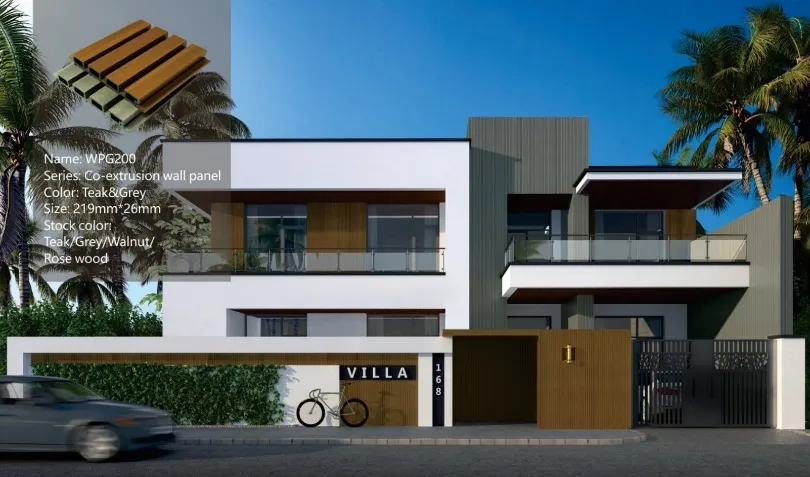
The innovations and technologies discussed aren't just theoretical—they're already finding applications in a wide range of settings, from residential homes to critical infrastructure. Let's explore how advanced WPC wall panel solutions are making an impact today, and how they'll shape tomorrow's spaces.
At home, WPC wall panels are becoming the go-to choice for homeowners who want beauty without the hassle. Modern panels offer the warmth of wood without the need for constant sealing or polishing, making them ideal for busy families. Innovations like porcelain slab tile for wall solutions are also complementing WPC panels, allowing for seamless transitions between walls and floors (think matching WPC wall panels and porcelain slab tile floors in a open-concept living room, creating a cohesive, spacious feel).
For eco-conscious homeowners, sustainability is a key driver. Panels made with recycled materials and low-VOC emissions align with their values, while smart integrations like IoT sensors add a layer of convenience—imagine a bedroom wall that adjusts its color temperature to help you wake up gently in the morning or wind down at night. In short, residential WPC panels are evolving from mere decor to an integral part of the "smart home" ecosystem.
In commercial spaces, where walls face constant wear and tear, WPC panels are proving their mettle. Retail stores use them to create eye-catching displays that withstand daily customer traffic, while offices opt for sleek, modern designs that reflect their brand identity. One emerging trend is the use of WPC panels in hospitality settings, such as hotels and restaurants, where they're paired with flooring solutions to create immersive environments.
For example, a boutique hotel chain might use WPC panels with custom wood grain patterns in its lobbies, paired with matching WPC flooring, to a warm, inviting atmosphere that feels both luxurious and sustainable. Meanwhile, a coworking space could leverage 3D-printed WPC panels to create unique feature walls that inspire creativity, setting it apart from generic office spaces. In commercial settings, WPC panels aren't just functional—they're a branding tool, helping businesses tell their stories through design.
In hospitals, schools, and other public facilities, safety and hygiene are non-negotiable. Here, WPC wall panels enhanced with Class A fireproof CPL inorganic board solutions are becoming indispensable. These panels not only resist fire but are also easy to clean and disinfect, reducing the risk of bacterial growth—a critical feature in healthcare settings where infection control is paramount.
Imagine a pediatric hospital where the walls are clad in vibrant, durable WPC panels that can withstand frequent cleaning with harsh disinfectants, yet still maintain their color and texture. Or a university lecture hall where the panels contribute to a safe environment, with fire-resistant properties that protect students during emergencies. In these spaces, WPC panels are more than just walls—they're partners in creating spaces that prioritize people's well-being.
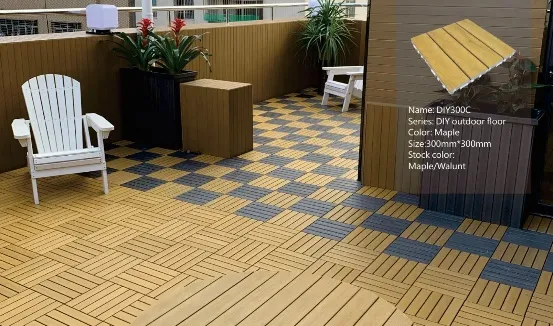
| Feature | Traditional Wall Panels (Wood/Plastic) | Advanced WPC Wall Panels |
|---|---|---|
| Durability | Prone to rot, warping, and pest damage (wood); susceptible to scratches and fading (plastic). | Resistant to moisture, pests, scratches, and UV damage; lifespan of 20+ years with minimal wear. |
| Fire Resistance | Wood is flammable; plastic melts and emits toxic fumes. | Enhanced with Class A fireproof CPL inorganic board solutions; resists flame spread and low smoke emission. |
| Sustainability | Wood requires deforestation; plastic relies on virgin polymers and is non-biodegradable. | Made with recycled materials; low-VOC production; biodegradable additives for end-of-life breakdown. |
| Design Flexibility | Limited textures and colors; hard to customize for unique shapes. | 3D printing and advanced molding allow custom textures, colors, and curves; mimics natural materials like stone and wood. |
| Maintenance | Regular painting, sealing, or polishing required; high upkeep costs. | Low maintenance; easy to clean with soap and water; no need for sealing or painting. |
| Smart Integration | Static; no built-in technology. | Compatible with IoT sensors, AI design tools, and smart home systems. |
| Applications | Limited to low-moisture, low-traffic areas. | Versatile: residential, commercial, healthcare, education, outdoor spaces, and high-traffic zones. |
Despite their promise, advanced WPC wall panel solutions face challenges that must be addressed to fully realize their potential. Cost remains a barrier for some: while prices are falling as technology scales, advanced WPC panels can still be more expensive than traditional materials, especially for small-scale projects. Market education is another hurdle—many builders and homeowners are unfamiliar with the latest innovations, leading them to stick with what they know.
Technical limitations also exist. For example, while smart WPC panels with IoT sensors are promising, they require reliable connectivity and power sources, which can complicate installation. Additionally, biodegradable additives are still in the early stages, and their long-term performance needs more testing. However, these challenges are not insurmountable. As production scales, costs will decrease. As more projects showcase the benefits of advanced WPC panels, market awareness will grow. And as technology matures, technical kinks will be ironed out.
The path forward is clear: collaboration. Manufacturers, designers, builders, and policymakers must work together to drive innovation, set standards, and promote adoption. Governments can incentivize sustainable building practices, encouraging the use of eco-friendly materials like advanced WPC panels. Industry associations can develop certification programs, ensuring that products meet rigorous safety and sustainability criteria. And educators can integrate these new technologies into design and construction curricula, preparing the next generation of professionals to leverage their potential.
So, what does the future hold for WPC wall panel solutions? If current trends are any indication, we're on the verge of a revolution. In the next decade, we can expect to see:
Perhaps most importantly, WPC wall panels will continue to blur the line between form and function, evolving from static elements to dynamic systems that enhance our lives in ways we're just beginning to imagine. They'll be quieter, safer, more beautiful, and more in tune with our needs—and with the planet.
The future of WPC wall panel solutions is not just about better materials or fancier technologies—it's about reimagining the role of walls in our built environment. From passive dividers to active systems that enhance safety, sustainability, and well-being, advanced WPC panels are poised to become catalysts for change in how we design, build, and live in spaces.
As innovations like Class A fireproof CPL integration, smart sensors, and sustainable manufacturing continue to advance, WPC wall panels will no longer be an afterthought in construction—they'll be a cornerstone. They'll enable architects to push creative boundaries, builders to deliver more efficient projects, and homeowners and businesses to enjoy spaces that are safer, more beautiful, and more in harmony with the planet.
So, the next time you walk into a room, take a moment to look at the walls. They might just be telling you a story—of innovation, of technology, and of a future where building materials don't just serve us, but elevate us. The future of WPC wall panel solutions is here, and it's nothing short of transformative.
Recommend Products











